

 登录
登录
四、对下列句子中画线部分进行提问。
1. Li Hua comes from China.
2. I like dogs because they are cute.
3. My father is a teacher.
4. The basketball is under the sofa.
5. These are Lily’s books.
6. I usually get up at 6:00.
7. Tom is 12 years old.
8. There are 45 students in our class.
9. The red shirt is 88 yuan.
10. Mary goes to school by bus.
1. Li Hua comes from China.
2. I like dogs because they are cute.
3. My father is a teacher.
4. The basketball is under the sofa.
5. These are Lily’s books.
6. I usually get up at 6:00.
7. Tom is 12 years old.
8. There are 45 students in our class.
9. The red shirt is 88 yuan.
10. Mary goes to school by bus.
答案
1. Where does Li Hua come from?
2. Why do you like dogs?
3. What is your father? / What does your father do?
4. Where is the basketball?
5. Whose books are these?
6. What time do you usually get up?
7. How old is Tom?
8. How many students are there in your class?
9. How much is the red shirt?
10. How does Mary go to school?
2. Why do you like dogs?
3. What is your father? / What does your father do?
4. Where is the basketball?
5. Whose books are these?
6. What time do you usually get up?
7. How old is Tom?
8. How many students are there in your class?
9. How much is the red shirt?
10. How does Mary go to school?
解析
【分析】
解答此类对划线部分提问的题目,需遵循三步思路:①明确划线部分的语义,判断其属于地点、原因、职业、位置、所属、时间、年龄、数量、价格还是方式等类别;②选择对应疑问词,如地点用Where、原因用Why、职业用What等;③调整句子结构,根据原句时态、人称变化添加合适助动词,还原动词,形成符合语法的特殊疑问句。
【解析】
1. 划线部分为地点China,对应疑问词Where;原句是一般现在时,主语Li Hua为第三人称单数,需加助动词does,动词comes还原为come,故为Where does Li Hua come from?
2. 划线部分为原因because they are cute,对应疑问词Why;原句主语I转换为第二人称you,加助动词do,故为Why do you like dogs?
3. 划线部分为职业a teacher,对应疑问词What;询问职业的两种常用表达为What is your father? 或What does your father do?
4. 划线部分为位置under the sofa,对应疑问词Where;原句含be动词is,直接提前构成疑问句,故为Where is the basketball?
5. 划线部分为所属Lily’s books,对应疑问词Whose,后接名词books,原句be动词are提前,故为Whose books are these?
6. 划线部分为时间at 6:00,对应疑问词What time;原句主语I转换为you,加助动词do,故为What time do you usually get up?
7. 划线部分为年龄12 years old,对应疑问词How old;原句be动词is提前,故为How old is Tom?
8. 划线部分为修饰可数名词的数量45,对应疑问词How many;后接students,原句be动词are提前,第一人称our转换为your,故为How many students are there in your class?
9. 划线部分为价格88 yuan,对应疑问词How much;原句be动词is提前,故为How much is the red shirt?
10. 划线部分为出行方式by bus,对应疑问词How;原句主语Mary为第三人称单数,加助动词does,动词goes还原为go,故为How does Mary go to school?
【答案】
1. Where does Li Hua come from?
2. Why do you like dogs?
3. What is your father? / What does your father do?
4. Where is the basketball?
5. Whose books are these?
6. What time do you usually get up?
7. How old is Tom?
8. How many students are there in your class?
9. How much is the red shirt?
10. How does Mary go to school?
【知识点】
特殊疑问句构成、对不同成分提问的疑问词选择、一般现在时疑问句转换
【点评】
本题为英语基础句型转换题,聚焦特殊疑问句的核心运用,是初中英语的基础考点,需学生掌握划线语义与疑问词的对应关系及句式调整规则,难度较低,适合巩固基础语法。
【难度系数】
0.3
解答此类对划线部分提问的题目,需遵循三步思路:①明确划线部分的语义,判断其属于地点、原因、职业、位置、所属、时间、年龄、数量、价格还是方式等类别;②选择对应疑问词,如地点用Where、原因用Why、职业用What等;③调整句子结构,根据原句时态、人称变化添加合适助动词,还原动词,形成符合语法的特殊疑问句。
【解析】
1. 划线部分为地点China,对应疑问词Where;原句是一般现在时,主语Li Hua为第三人称单数,需加助动词does,动词comes还原为come,故为Where does Li Hua come from?
2. 划线部分为原因because they are cute,对应疑问词Why;原句主语I转换为第二人称you,加助动词do,故为Why do you like dogs?
3. 划线部分为职业a teacher,对应疑问词What;询问职业的两种常用表达为What is your father? 或What does your father do?
4. 划线部分为位置under the sofa,对应疑问词Where;原句含be动词is,直接提前构成疑问句,故为Where is the basketball?
5. 划线部分为所属Lily’s books,对应疑问词Whose,后接名词books,原句be动词are提前,故为Whose books are these?
6. 划线部分为时间at 6:00,对应疑问词What time;原句主语I转换为you,加助动词do,故为What time do you usually get up?
7. 划线部分为年龄12 years old,对应疑问词How old;原句be动词is提前,故为How old is Tom?
8. 划线部分为修饰可数名词的数量45,对应疑问词How many;后接students,原句be动词are提前,第一人称our转换为your,故为How many students are there in your class?
9. 划线部分为价格88 yuan,对应疑问词How much;原句be动词is提前,故为How much is the red shirt?
10. 划线部分为出行方式by bus,对应疑问词How;原句主语Mary为第三人称单数,加助动词does,动词goes还原为go,故为How does Mary go to school?
【答案】
1. Where does Li Hua come from?
2. Why do you like dogs?
3. What is your father? / What does your father do?
4. Where is the basketball?
5. Whose books are these?
6. What time do you usually get up?
7. How old is Tom?
8. How many students are there in your class?
9. How much is the red shirt?
10. How does Mary go to school?
【知识点】
特殊疑问句构成、对不同成分提问的疑问词选择、一般现在时疑问句转换
【点评】
本题为英语基础句型转换题,聚焦特殊疑问句的核心运用,是初中英语的基础考点,需学生掌握划线语义与疑问词的对应关系及句式调整规则,难度较低,适合巩固基础语法。
【难度系数】
0.3
五、语法选择。
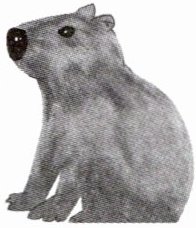
Have you ever heard of capybaras(卡皮巴拉)?
Capybaras are 1 interesting and cute animal.
When they first showed up on the Internet, they became very popular with people of all 2.
Capybaras are the biggest rodent(啮齿动物) in the world, and 3 from South America. They usually live in groups as a family and love to be near water. They are good 4 swimming. They move slowly 5 can quickly jump into the water when in danger. They spend their days eating grass, enjoying the sun, taking a shower and 6. Capybaras like to be quiet and don't like to play around. They are always living a 7 life.
Now Capybaras become a symbol of mental(心理的) health. They tell us 8 a minute to relax and enjoy the simple things in life. So next time when you feel bad, just think of capybaras. 9 a hot shower and let their relaxed feeling be around you. Think like capybaras, and you'll find that you don't have to worry about 10.
()1. A. a B. an C. the
()2. A. age B. ages C. age's
()3. A. come B. came C. comes
()4. A. at B. with C. for
()5. A. and B. or C. but
()6. A. sleep B. slept C. sleeping
()7. A. relax B. relaxing C. relaxed
()8. A. to take B. take C. taking
()9. A. Enjoy B. Enjoying C. To enjoy
()10. A. something B. anything C. nothing
Have you ever heard of capybaras(卡皮巴拉)?
Capybaras are 1 interesting and cute animal.
When they first showed up on the Internet, they became very popular with people of all 2.
Capybaras are the biggest rodent(啮齿动物) in the world, and 3 from South America. They usually live in groups as a family and love to be near water. They are good 4 swimming. They move slowly 5 can quickly jump into the water when in danger. They spend their days eating grass, enjoying the sun, taking a shower and 6. Capybaras like to be quiet and don't like to play around. They are always living a 7 life.
Now Capybaras become a symbol of mental(心理的) health. They tell us 8 a minute to relax and enjoy the simple things in life. So next time when you feel bad, just think of capybaras. 9 a hot shower and let their relaxed feeling be around you. Think like capybaras, and you'll find that you don't have to worry about 10.
()1. A. a B. an C. the
()2. A. age B. ages C. age's
()3. A. come B. came C. comes
()4. A. at B. with C. for
()5. A. and B. or C. but
()6. A. sleep B. slept C. sleeping
()7. A. relax B. relaxing C. relaxed
()8. A. to take B. take C. taking
()9. A. Enjoy B. Enjoying C. To enjoy
()10. A. something B. anything C. nothing
答案
1.B 2.B 3.A 4.A 5.C 6.C 7.B 8.A 9.A 10.B
解析
【分析】
这是一道英语语法选择题,需结合冠词、名词、动词、介词、连词、非谓语动词、形容词、祈使句、不定代词等基础语法知识逐一分析每个空格:
1. 空格后interesting以元音音素开头,泛指“一种有趣可爱的动物”,用不定冠词an;
2. all后接可数名词复数,people of all ages表示“各个年龄段的人”;
3. 主语Capybaras是复数,一般现在时,谓语动词用原形come;
4. 固定搭配be good at表示“擅长”,符合语境;
5. 前半句“移动缓慢”和后半句“危险时能快速跳进水”是转折关系,用连词but;
6. 与前面的eating、enjoying、taking并列,需用动名词形式sleeping;
7. 修饰名词life,用形容词relaxing(修饰事物,表“令人放松的”);
8. 固定搭配tell sb to do sth,意为“告诉某人做某事”,用不定式to take;
9. 此处为祈使句,以动词原形开头,表建议,用Enjoy;
10. 否定句中用不定代词anything,worry about anything表示“担心任何事”。
【解析】
1. 选B:interesting以元音音素开头,泛指“一种动物”,用不定冠词an,故选B;
2. 选B:all后接可数名词复数,ages是age的复数形式,people of all ages意为“各个年龄段的人”,故选B;
3. 选A:主语Capybaras是复数,句子为一般现在时,谓语动词用原形come,故选A;
4. 选A:固定搭配be good at表示“擅长”,be good with(与……相处好)、be good for(对……有益)不符合语境,故选A;
5. 选C:前半句“移动缓慢”和后半句“危险时快速跳进水”是转折关系,用but,and表并列、or表选择均不符合,故选C;
6. 选C:与前面的eating、enjoying、taking并列,需用动名词形式,sleeping符合,故选C;
7. 选B:修饰名词life,relaxing意为“令人放松的”,修饰事物;relax是动词,relaxed修饰人,故选B;
8. 选A:固定搭配tell sb to do sth,需用不定式to take,故选A;
9. 选A:此处为祈使句,表建议,以动词原形开头,Enjoy符合,故选A;
10. 选B:否定句中用anything,something用于肯定句,nothing不符合语境,故选B。
【答案】
1.B 2.B 3.A 4.A 5.C 6.C 7.B 8.A 9.A 10.B
【知识点】
冠词用法、固定搭配、词性辨析
【点评】
本题为初中英语基础语法选择题,全面考察冠词、名词、动词、介词、连词、非谓语动词、形容词、祈使句、不定代词等核心基础语法点,题目设置贴合日常语境,注重基础应用,适合巩固语法知识。
【难度系数】
0.6
这是一道英语语法选择题,需结合冠词、名词、动词、介词、连词、非谓语动词、形容词、祈使句、不定代词等基础语法知识逐一分析每个空格:
1. 空格后interesting以元音音素开头,泛指“一种有趣可爱的动物”,用不定冠词an;
2. all后接可数名词复数,people of all ages表示“各个年龄段的人”;
3. 主语Capybaras是复数,一般现在时,谓语动词用原形come;
4. 固定搭配be good at表示“擅长”,符合语境;
5. 前半句“移动缓慢”和后半句“危险时能快速跳进水”是转折关系,用连词but;
6. 与前面的eating、enjoying、taking并列,需用动名词形式sleeping;
7. 修饰名词life,用形容词relaxing(修饰事物,表“令人放松的”);
8. 固定搭配tell sb to do sth,意为“告诉某人做某事”,用不定式to take;
9. 此处为祈使句,以动词原形开头,表建议,用Enjoy;
10. 否定句中用不定代词anything,worry about anything表示“担心任何事”。
【解析】
1. 选B:interesting以元音音素开头,泛指“一种动物”,用不定冠词an,故选B;
2. 选B:all后接可数名词复数,ages是age的复数形式,people of all ages意为“各个年龄段的人”,故选B;
3. 选A:主语Capybaras是复数,句子为一般现在时,谓语动词用原形come,故选A;
4. 选A:固定搭配be good at表示“擅长”,be good with(与……相处好)、be good for(对……有益)不符合语境,故选A;
5. 选C:前半句“移动缓慢”和后半句“危险时快速跳进水”是转折关系,用but,and表并列、or表选择均不符合,故选C;
6. 选C:与前面的eating、enjoying、taking并列,需用动名词形式,sleeping符合,故选C;
7. 选B:修饰名词life,relaxing意为“令人放松的”,修饰事物;relax是动词,relaxed修饰人,故选B;
8. 选A:固定搭配tell sb to do sth,需用不定式to take,故选A;
9. 选A:此处为祈使句,表建议,以动词原形开头,Enjoy符合,故选A;
10. 选B:否定句中用anything,something用于肯定句,nothing不符合语境,故选B。
【答案】
1.B 2.B 3.A 4.A 5.C 6.C 7.B 8.A 9.A 10.B
【知识点】
冠词用法、固定搭配、词性辨析
【点评】
本题为初中英语基础语法选择题,全面考察冠词、名词、动词、介词、连词、非谓语动词、形容词、祈使句、不定代词等核心基础语法点,题目设置贴合日常语境,注重基础应用,适合巩固语法知识。
【难度系数】
0.6
