

 登录
登录
五、阅读短文,在空白处填入一个适当的单词或括号内单词的正确形式
Su Yiming is a top Chinese snowboarder who has made history in winter sports. When he was 18, he won a gold medal and a silver medal at the Beijing 2022 Olympic Winter Games. Four years later, he got the gold medal in the 1.
He started snowboarding at the age of four. At that time, he 3.
He decided to try his best to win glory for China. So far, he 7.
His story tells us that sticking to dreams will finally lead to 10.
Su Yiming is a top Chinese snowboarder who has made history in winter sports. When he was 18, he won a gold medal and a silver medal at the Beijing 2022 Olympic Winter Games. Four years later, he got the gold medal in the 1.
men's
(man) snowboard slopestyle and the bronze medal in the big air at the Milan-Cortina 2026 Olympic Winter Games. 2. What
made it more exciting was that the big day was also Su Yiming’s 22nd birthday.He started snowboarding at the age of four. At that time, he 3.
was allowed
(allow) to practice basic skills on the snow every weekend. He learned from his coach and tried to skate hard to master difficult moves. As he grew up, he took part in many 4. matches
(match) and trained harder than others. Though he faced failures and many 5. challenging
(challenge) situations in training, he always found ways to improve 6. himself
(he).He decided to try his best to win glory for China. So far, he 7.
has broken
(break) many world records in snowboarding. He often shares his experience with young people and hopes to encourage them 8. to love
(love) winter sports. Today, he is still a role model for us, and we can learn a lot 9. from
his perseverance, courage and strong will.His story tells us that sticking to dreams will finally lead to 10.
success
(succeed).答案
1. men's 2. What 3. was allowed 4. matches
5. challenging 6. himself 7. has broken 8. to love
9. from 10. success
5. challenging 6. himself 7. has broken 8. to love
9. from 10. success
解析
【分析】
本题为英语语法填空题,需先通读短文理解苏翊鸣的事迹,再结合语法规则、固定搭配及语境逐个分析空白处:1. 修饰名词短语需用名词所有格;2. 引导主语从句需选合适连接词;3. 主语与动词为被动关系且表过去时;4. many后接可数名词复数;5. 修饰名词需用形容词;6. 宾语与主语指代同一人用反身代词;7. so far是现在完成时标志;8. 考查固定搭配encourage sb to do sth;9. 考查固定搭配learn from;10. lead to后接名词,需转换词性。
【解析】
1. 考查名词所有格:此处表示“男子的单板滑雪坡面障碍技巧赛”,man的复数形式为men,其所有格为men's,故填men's;
2. 考查主语从句引导词:从句在句中作主语且缺主语,指代事物,用What引导,故填What;
3. 考查一般过去时的被动语态:主语he与allow是被动关系,时间状语At that time表过去,故用was allowed;
4. 考查可数名词复数:many后接可数名词复数,match的复数为matches,故填matches;
5. 考查词性转换:修饰名词situations需用形容词,challenge的形容词形式为challenging,故填challenging;
6. 考查反身代词:表示“提升自己”,宾语与主语he指代同一人,故用himself;
7. 考查现在完成时:so far是现在完成时的标志,主语为he,故用has broken;
8. 考查固定搭配:encourage sb to do sth是固定搭配,故填to love;
9. 考查固定搭配:learn from是固定搭配,意为“从……学习”,故填from;
10. 考查词性转换:lead to中to为介词,后接名词,succeed的名词形式为success,故填success。
【答案】
1. men's 2. What 3. was allowed 4. matches 5. challenging 6. himself 7. has broken 8. to love 9. from 10. success
【知识点】
名词所有格、动词时态、固定搭配
【点评】
本题围绕苏翊鸣的事迹展开,考查英语基础语法知识,需结合语境与语法规则解题,是初中英语常见的语法填空题型,注重基础应用能力的考查。
【难度系数】
0.6
本题为英语语法填空题,需先通读短文理解苏翊鸣的事迹,再结合语法规则、固定搭配及语境逐个分析空白处:1. 修饰名词短语需用名词所有格;2. 引导主语从句需选合适连接词;3. 主语与动词为被动关系且表过去时;4. many后接可数名词复数;5. 修饰名词需用形容词;6. 宾语与主语指代同一人用反身代词;7. so far是现在完成时标志;8. 考查固定搭配encourage sb to do sth;9. 考查固定搭配learn from;10. lead to后接名词,需转换词性。
【解析】
1. 考查名词所有格:此处表示“男子的单板滑雪坡面障碍技巧赛”,man的复数形式为men,其所有格为men's,故填men's;
2. 考查主语从句引导词:从句在句中作主语且缺主语,指代事物,用What引导,故填What;
3. 考查一般过去时的被动语态:主语he与allow是被动关系,时间状语At that time表过去,故用was allowed;
4. 考查可数名词复数:many后接可数名词复数,match的复数为matches,故填matches;
5. 考查词性转换:修饰名词situations需用形容词,challenge的形容词形式为challenging,故填challenging;
6. 考查反身代词:表示“提升自己”,宾语与主语he指代同一人,故用himself;
7. 考查现在完成时:so far是现在完成时的标志,主语为he,故用has broken;
8. 考查固定搭配:encourage sb to do sth是固定搭配,故填to love;
9. 考查固定搭配:learn from是固定搭配,意为“从……学习”,故填from;
10. 考查词性转换:lead to中to为介词,后接名词,succeed的名词形式为success,故填success。
【答案】
1. men's 2. What 3. was allowed 4. matches 5. challenging 6. himself 7. has broken 8. to love 9. from 10. success
【知识点】
名词所有格、动词时态、固定搭配
【点评】
本题围绕苏翊鸣的事迹展开,考查英语基础语法知识,需结合语境与语法规则解题,是初中英语常见的语法填空题型,注重基础应用能力的考查。
【难度系数】
0.6
六、 完形填空 主题:人与自我——生活与学习 学科素养:思维品质 词数:约213 建议用时:5分钟
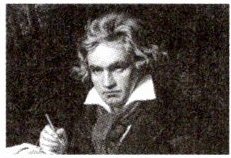
Beethoven was born in Germany in 1770. He was one of the greatest in the world.
Most of us have heard of his music. As a child, Beethoven did not have a happy life. His liked singing and he was a singer. When Beethoven was only four, his father decided to make him a musician. So Beethoven had to the music. Beethoven learned very . So seven years later he could go around and give concerts when he was eleven.
A few years later, Beethoven went to Vienna to study under Haydn, a famous Austrian composer (作曲家). Soon he write a lot of music himself under the direction of Haydn. So Haydn was pleased with (对……满意) him. But Beethoven was often ill in his life. After one illness, he was with something wrong with his ears. He couldn’t hear any more. This made his life very . But this didn’t stop Beethoven. He kept many pieces of music. , Beethoven wrote his most popular pieces such as Destiny (《命运交响曲》) after he became . It was wonderful, so it was famous all over the world.
(
(
(
(
(
(
(
(
(
(
Beethoven was born in Germany in 1770. He was one of the greatest in the world.
Most of us have heard of his music. As a child, Beethoven did not have a happy life. His liked singing and he was a singer. When Beethoven was only four, his father decided to make him a musician. So Beethoven had to the music. Beethoven learned very . So seven years later he could go around and give concerts when he was eleven.
A few years later, Beethoven went to Vienna to study under Haydn, a famous Austrian composer (作曲家). Soon he write a lot of music himself under the direction of Haydn. So Haydn was pleased with (对……满意) him. But Beethoven was often ill in his life. After one illness, he was with something wrong with his ears. He couldn’t hear any more. This made his life very . But this didn’t stop Beethoven. He kept many pieces of music. , Beethoven wrote his most popular pieces such as Destiny (《命运交响曲》) after he became . It was wonderful, so it was famous all over the world.
(
A
) 1. A. musicians B. doctors C. nurses D. scientists(
D
) 2. A. mother B. sister C. grandmother D. father(
B
) 3. A. hate B. play C. cheat D. stop(
C
) 4. A. difficult B. boring C. fast D. slow(
A
) 5. A. could B. couldn’t C. can D. can’t(
B
) 6. A. recognized B. diagnosed C. treated D. connected(
C
) 7. A. comfortable B. interesting C. challenging D. relaxing(
D
) 8. A. running B. jumping C. reading D. writing(
D
) 9. A. Sadly B. Actually C. Brightly D. Surprisingly(
A
) 10. A. deaf B. blind C. lazy D. bored答案
答案速查 1.A 2.D 3.B 4.C 5.A 6.B 7.C 8.D 9.D 10.A
【主旨大意】本文主要讲述了贝多芬在失聪的情况下,坚持创作的励志故事。
1. A【点拨】根据“Most of us have heard of his music.”可知,贝多芬是一位音乐家。
2. D【点拨】根据“he was a singer”和“his father decided to make him a musician”可知,此处表示他的父亲喜欢唱歌。
3. B【点拨】根据“the music”可知,此处指演奏音乐。故选B。
4. C【点拨】根据“So seven years later he could go around and give concerts”可知,贝多芬学得很快。
5. A【点拨】根据“write a lot of music himself under the direction of Haydn”可知,贝多芬可以写曲子了,描述过去的事,用could。
6. B【点拨】根据“with something wrong with his ears”可知,此处指被诊断出耳朵有问题。be diagnosed with意为“被诊断患有……”。
7. C【点拨】根据上文失聪以及下文“But this didn’t stop Beethoven.”可知,失聪让他的生活变得充满挑战。故选C。
8. D【点拨】根据“many pieces of music”可知,此处指创作音乐。
9. D【点拨】根据“... Beethoven wrote... after he became...”可知,Surprisingly符合语境。
10. A【点拨】根据“...wrong with his ears.”可知,聋了之后继续写音乐。
【主旨大意】本文主要讲述了贝多芬在失聪的情况下,坚持创作的励志故事。
1. A【点拨】根据“Most of us have heard of his music.”可知,贝多芬是一位音乐家。
2. D【点拨】根据“he was a singer”和“his father decided to make him a musician”可知,此处表示他的父亲喜欢唱歌。
3. B【点拨】根据“the music”可知,此处指演奏音乐。故选B。
4. C【点拨】根据“So seven years later he could go around and give concerts”可知,贝多芬学得很快。
5. A【点拨】根据“write a lot of music himself under the direction of Haydn”可知,贝多芬可以写曲子了,描述过去的事,用could。
6. B【点拨】根据“with something wrong with his ears”可知,此处指被诊断出耳朵有问题。be diagnosed with意为“被诊断患有……”。
7. C【点拨】根据上文失聪以及下文“But this didn’t stop Beethoven.”可知,失聪让他的生活变得充满挑战。故选C。
8. D【点拨】根据“many pieces of music”可知,此处指创作音乐。
9. D【点拨】根据“... Beethoven wrote... after he became...”可知,Surprisingly符合语境。
10. A【点拨】根据“...wrong with his ears.”可知,聋了之后继续写音乐。
解析
【分析】
本文是围绕贝多芬的励志故事展开的完形填空,解题思路为:1. 先通读全文,把握主旨(贝多芬在失聪后坚持创作音乐的经历);2. 结合上下文语境、词汇搭配、语法知识及名人常识,逐一分析每个空的选项;3. 验证所选答案是否符合逻辑和文意。
【解析】
1. 根据后文“Most of us have heard of his music”可知,贝多芬是音乐家,故选A。
2. 根据“his father decided to make him a musician”及“he was a singer”可知,此处指他的父亲,故选D。
3. “play the music”为固定搭配,意为“演奏音乐”,符合语境,故选B。
4. 根据“So seven years later he could go around and give concerts”可知,贝多芬学习音乐的速度很快,故选C。
5. 描述过去的能力,用情态动词can的过去式could,此处指他能自己写曲子,故选A。
6. “be diagnosed with”为固定搭配,意为“被诊断患有……”,符合“耳朵有问题”的语境,故选B。
7. 贝多芬失聪后,生活变得充满挑战,结合后文“this didn’t stop Beethoven”可知,选C。
8. “write music”意为“创作音乐”,符合语境,故选D。
9. 贝多芬失聪后写出最受欢迎的曲子,这是令人惊讶的,故选D。
10. 根据前文“something wrong with his ears”可知,此处指他失聪了,故选A。
【答案】
1.A 2.D 3.B 4.C 5.A 6.B 7.C 8.D 9.D 10.A
【知识点】
完形填空解题、词汇辨析、固定搭配
【点评】
本文以贝多芬的励志经历为主题,既考查学生的词汇运用、语境理解及固定搭配掌握能力,又融入名人常识,传递了积极向上的精神,是一篇兼具知识性与教育性的完形练习材料。
【难度系数】
0.6
本文是围绕贝多芬的励志故事展开的完形填空,解题思路为:1. 先通读全文,把握主旨(贝多芬在失聪后坚持创作音乐的经历);2. 结合上下文语境、词汇搭配、语法知识及名人常识,逐一分析每个空的选项;3. 验证所选答案是否符合逻辑和文意。
【解析】
1. 根据后文“Most of us have heard of his music”可知,贝多芬是音乐家,故选A。
2. 根据“his father decided to make him a musician”及“he was a singer”可知,此处指他的父亲,故选D。
3. “play the music”为固定搭配,意为“演奏音乐”,符合语境,故选B。
4. 根据“So seven years later he could go around and give concerts”可知,贝多芬学习音乐的速度很快,故选C。
5. 描述过去的能力,用情态动词can的过去式could,此处指他能自己写曲子,故选A。
6. “be diagnosed with”为固定搭配,意为“被诊断患有……”,符合“耳朵有问题”的语境,故选B。
7. 贝多芬失聪后,生活变得充满挑战,结合后文“this didn’t stop Beethoven”可知,选C。
8. “write music”意为“创作音乐”,符合语境,故选D。
9. 贝多芬失聪后写出最受欢迎的曲子,这是令人惊讶的,故选D。
10. 根据前文“something wrong with his ears”可知,此处指他失聪了,故选A。
【答案】
1.A 2.D 3.B 4.C 5.A 6.B 7.C 8.D 9.D 10.A
【知识点】
完形填空解题、词汇辨析、固定搭配
【点评】
本文以贝多芬的励志经历为主题,既考查学生的词汇运用、语境理解及固定搭配掌握能力,又融入名人常识,传递了积极向上的精神,是一篇兼具知识性与教育性的完形练习材料。
【难度系数】
0.6
