

 登录
登录
Passage 3
Suzhou Museum: A wonderful mix
Planning a trip to Suzhou? You mustn't miss Suzhou Museum.
This special place, which (1)
great architect I.M. Pei, tries (2)
Suzhou style with new ideas.
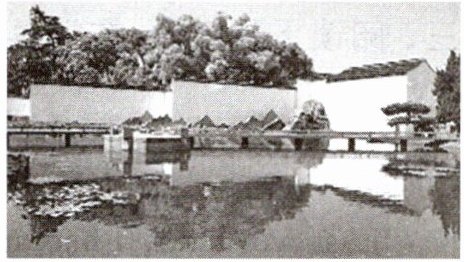
Pei loved to use many elements(元素) from traditional Suzhou buildings. You'll see white
walls, reminding people of the city's old houses. He also decided (3)
modern materials like glass. The glass lets in much sunlight, making the inside bright and happy.
What's amazing is how it manages to live in harmony(和谐) with nature. Calm ponds(池
塘) and rockeries(假山) form a picturesque(优美的) scene. Being near famous gardens helps it
(4)
Inside, the space is fun (5)
connect areas smoothly, encouraging visitors (6)
like (7)
(8)
space, making everyone feel (9)
The museum teaches us (10)
reminds visitors not just to enjoy beauty, but also to feel a deep connection. Don't forget
(11)
(want) to learn more about this perfect mix of old and new.
Suzhou Museum: A wonderful mix
Planning a trip to Suzhou? You mustn't miss Suzhou Museum.
This special place, which (1)
was designed
(design) by thegreat architect I.M. Pei, tries (2)
to mix
(mix) oldSuzhou style with new ideas.
Pei loved to use many elements(元素) from traditional Suzhou buildings. You'll see white
walls, reminding people of the city's old houses. He also decided (3)
to use
(use)modern materials like glass. The glass lets in much sunlight, making the inside bright and happy.
What's amazing is how it manages to live in harmony(和谐) with nature. Calm ponds(池
塘) and rockeries(假山) form a picturesque(优美的) scene. Being near famous gardens helps it
(4)
fit
(fit) perfectly with the environment.Inside, the space is fun (5)
to explore
(explore). Corridors(连廊) and doorwaysconnect areas smoothly, encouraging visitors (6)
to find
(find) new surprises. It'slike (7)
walking
(walk) in a magic garden, with light and shadow playing together(8)
to create
(create) an artistic feel. The displays are arranged(安排) to match thespace, making everyone feel (9)
relaxed
(relax).The museum teaches us (10)
to value
(value) the mix of past and present. Itreminds visitors not just to enjoy beauty, but also to feel a deep connection. Don't forget
(11)
to visit
(visit) it when you're in Suzhou—it will make you (12) want
(want) to learn more about this perfect mix of old and new.
答案
1. was designed
2. to mix
3. to use
4. fit
5. to explore
6. to find
7. walking
8. to create
9. relaxed
10. to value
11. to visit
12. want
2. to mix
3. to use
4. fit
5. to explore
6. to find
7. walking
8. to create
9. relaxed
10. to value
11. to visit
12. want
解析
【分析】
这是一道语境型动词变形语法填空题,解题思路非常清晰:第一步先判断空格处动词和对应主语的主被动关系,同时确认动作发生的时间属性;第二步结合初中阶段核心的动词固定搭配、非谓语动词的使用规则,逐一推导每个空的正确形式。第一空主语是苏州博物馆这个建筑,和“设计”是被动关系,且设计动作发生在过去,优先判断用过去时的被动语态;剩余的空全部可以通过平时积累的常见动词搭配、非谓语作宾补/状语/宾语的规则,以及分词化形容词的用法推导得出结果。
【解析】
1. 主语This special place和动词design是被动关系,且苏州博物馆是过去由贝聿铭设计完成的,主语为单数,因此用一般过去时的被动语态,填was designed。
2. 固定搭配try to do sth意为“试图、尽力做某事”,因此填to mix。
3. 固定搭配decide to do sth意为“决定做某事”,因此填to use。
4. 固定搭配help (to) do sth,此处省略不定式符号to,因此填fit。
5. 固定结构“sth + be + 形容词 + to do”,用不定式主动形式表达被动含义,因此填to explore。
6. 固定搭配encourage sb to do sth意为“鼓励某人做某事”,因此填to find。
7. 介词like后需要接动名词作宾语,意为“就像走在魔法花园里一样”,因此填walking。
8. 此处不定式作目的状语,表达光影交织的目的是营造艺术氛围感,因此填to create。
9. 感官动词feel后接形容词作表语,修饰人的主观感受,用relax的-ed形式形容词relaxed,意为“感到放松的”,因此填relaxed。
10. 固定搭配teach sb to do sth意为“教会某人做某事”,因此填to value。
11. 固定搭配forget to do sth意为“忘记要去做某事(动作尚未发生)”,此处提醒还没参观的游客不要错过参观,因此填to visit。
12. 使役动词make的固定搭配make sb do sth,后接不带to的不定式作宾补,意为“让某人做某事”,因此填want。
【答案】
1. was designed
2. to mix
3. to use
4. fit
5. to explore
6. to find
7. walking
8. to create
9. relaxed
10. to value
11. to visit
12. want
【知识点】
一般过去时被动语态,非谓语动词,动词固定搭配
【点评】
本题以苏州博物馆的文化介绍作为语料,在真实的生活化语境中考察核心动词变形知识点,没有设置偏题怪题,既考察学生对常见非谓语搭配的积累熟练度,也区分了-ed和-ing结尾形容词的用法差异,同时渗透了本土建筑文化常识,适合用来巩固非谓语相关的基础知识点。
【难度系数】
0.75
这是一道语境型动词变形语法填空题,解题思路非常清晰:第一步先判断空格处动词和对应主语的主被动关系,同时确认动作发生的时间属性;第二步结合初中阶段核心的动词固定搭配、非谓语动词的使用规则,逐一推导每个空的正确形式。第一空主语是苏州博物馆这个建筑,和“设计”是被动关系,且设计动作发生在过去,优先判断用过去时的被动语态;剩余的空全部可以通过平时积累的常见动词搭配、非谓语作宾补/状语/宾语的规则,以及分词化形容词的用法推导得出结果。
【解析】
1. 主语This special place和动词design是被动关系,且苏州博物馆是过去由贝聿铭设计完成的,主语为单数,因此用一般过去时的被动语态,填was designed。
2. 固定搭配try to do sth意为“试图、尽力做某事”,因此填to mix。
3. 固定搭配decide to do sth意为“决定做某事”,因此填to use。
4. 固定搭配help (to) do sth,此处省略不定式符号to,因此填fit。
5. 固定结构“sth + be + 形容词 + to do”,用不定式主动形式表达被动含义,因此填to explore。
6. 固定搭配encourage sb to do sth意为“鼓励某人做某事”,因此填to find。
7. 介词like后需要接动名词作宾语,意为“就像走在魔法花园里一样”,因此填walking。
8. 此处不定式作目的状语,表达光影交织的目的是营造艺术氛围感,因此填to create。
9. 感官动词feel后接形容词作表语,修饰人的主观感受,用relax的-ed形式形容词relaxed,意为“感到放松的”,因此填relaxed。
10. 固定搭配teach sb to do sth意为“教会某人做某事”,因此填to value。
11. 固定搭配forget to do sth意为“忘记要去做某事(动作尚未发生)”,此处提醒还没参观的游客不要错过参观,因此填to visit。
12. 使役动词make的固定搭配make sb do sth,后接不带to的不定式作宾补,意为“让某人做某事”,因此填want。
【答案】
1. was designed
2. to mix
3. to use
4. fit
5. to explore
6. to find
7. walking
8. to create
9. relaxed
10. to value
11. to visit
12. want
【知识点】
一般过去时被动语态,非谓语动词,动词固定搭配
【点评】
本题以苏州博物馆的文化介绍作为语料,在真实的生活化语境中考察核心动词变形知识点,没有设置偏题怪题,既考察学生对常见非谓语搭配的积累熟练度,也区分了-ed和-ing结尾形容词的用法差异,同时渗透了本土建筑文化常识,适合用来巩固非谓语相关的基础知识点。
【难度系数】
0.75
