

 登录
C
In the mountains of Fujian, China, there are special round or square buildings called tulou. The Hakka people built them a long time ago. They moved from the north to the south for a better life, but they needed to be safe. So, they built strong tulou like castles, with high walls and only one door.
Each tulou is like a big family home. Up to 800 people can live inside! When you go inside, you can hear children playing and smell food from the kitchens. The first floor has kitchens and dining rooms. The second floor is for storing things. The upper floors are bedrooms with wooden beds and furniture.
On special days like the Spring Festival, families meet in the big open area in the middle. They hang red lanterns and dance. Old people tell stories about their family history. Tulou are not just houses—they help keep the Hakka traditions alive.
In 2008, tulou became a World Heritage site. Now, many tourists visit them. People can look around, listen to stories, and even try making woodcut prints of tulou on red paper—a lucky symbol in China.
Tulou show how China takes care of its old culture. If you like history,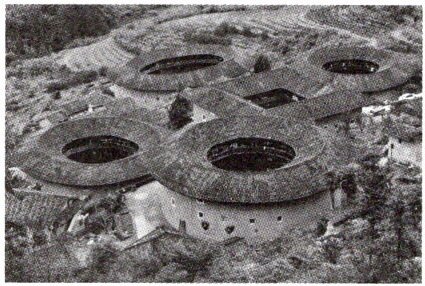 buildings, or family life, you will enjoy visiting tulou!
(
A. To stay safe.
B. To live a modern life.
C. To bring more visitors.
D. To show their building skills.
(
A. They are in north China.
B. People only use them for holidays.
C. People built them with new things.
D. They hold big families and keep traditions.
(
A. Make woodcut prints.
B. Stay in expensive hotels.
C. Watch sci-fi movies about tulou.
D. Buy furniture from the first floor.
(
A. Hakka Family Life
B. The Story of Hakka People
C. Tulou: A Symbol of Hakka Culture
D. A Travel Guide for Shopping in Tulou
D
In the mountains of Fujian, China, there are special round or square buildings called tulou. The Hakka people built them a long time ago. They moved from the north to the south for a better life, but they needed to be safe. So, they built strong tulou like castles, with high walls and only one door.
Each tulou is like a big family home. Up to 800 people can live inside! When you go inside, you can hear children playing and smell food from the kitchens. The first floor has kitchens and dining rooms. The second floor is for storing things. The upper floors are bedrooms with wooden beds and furniture.
On special days like the Spring Festival, families meet in the big open area in the middle. They hang red lanterns and dance. Old people tell stories about their family history. Tulou are not just houses—they help keep the Hakka traditions alive.
In 2008, tulou became a World Heritage site. Now, many tourists visit them. People can look around, listen to stories, and even try making woodcut prints of tulou on red paper—a lucky symbol in China.
Tulou show how China takes care of its old culture. If you like history,
buildings, or family life, you will enjoy visiting tulou!(
A
)23. Why did the Hakka people build tulou?A. To stay safe.
B. To live a modern life.
C. To bring more visitors.
D. To show their building skills.
(
D
)24. How do tulou show the Hakka people’s way of life?A. They are in north China.
B. People only use them for holidays.
C. People built them with new things.
D. They hold big families and keep traditions.
(
A
)25. What can visitors do at tulou?A. Make woodcut prints.
B. Stay in expensive hotels.
C. Watch sci-fi movies about tulou.
D. Buy furniture from the first floor.
(
C
)26. What is the best title for the passage?A. Hakka Family Life
B. The Story of Hakka People
C. Tulou: A Symbol of Hakka Culture
D. A Travel Guide for Shopping in Tulou
D
答案
23. A 24. D 25. A 26. C
解析
【分析】
本题为英语阅读理解题,需结合原文内容逐一分析各题:
1. 第23题:定位原文第一段,查找客家人建造土楼的原因;
2. 第24题:定位原文关于土楼体现客家人生活方式的描述,结合家庭居住与传统保留的内容;
3. 第25题:定位原文第四段,查找游客在土楼可进行的活动;
4. 第26题:梳理全文核心内容,确定最贴合的标题。
【解析】
23. 细节理解题:根据原文第一段“They moved from the north to the south for a better life, but they needed to be safe. So, they built strong tulou like castles...”可知,客家人建土楼是为了保障安全,故选A。
24. 细节理解题:根据原文第二段“Each tulou is like a big family home. Up to 800 people can live inside!”和第三段“Tulou are not just houses—they help keep the Hakka traditions alive.”可知,土楼容纳大家庭且保留客家传统,体现了客家人的生活方式,故选D。
25. 细节理解题:根据原文第四段“even try making woodcut prints of tulou on red paper—a lucky symbol in China.”可知,游客可以制作土楼的木刻版画,故选A。
26. 主旨大意题:全文围绕福建土楼展开,介绍其建造背景、功能及文化意义,突出其作为客家文化象征的地位,故选C。
【答案】
23. A 24. D 25. A 26. C
【知识点】
英语阅读理解、细节理解题、主旨大意题
【点评】
本题以中国福建土楼为主题,考查学生对英语阅读细节信息的查找和文章主旨的归纳能力,结合文化背景,难度适中,能帮助学生了解中国传统文化的同时提升阅读能力。
【难度系数】
0.7
