

 登录
登录
B(2026·南京市江宁区月考)
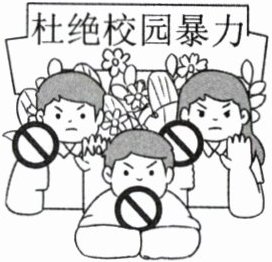
Anti-Bullying Day is a special day. We can bullying. Its date is different in different countries. In many places, it's on 4 May. Many children join in activities on that day at school and online to learn about what bullying and what we can do if we see it happening.
What's bullying? Often bullying happens when one person has more power than the other person—perhaps they're or older, or they have more friends. When someone uses his or her power to another person, especially more than once, that's bullying. Bullying can be with . For example, say unkind things to someone. Or it can be physical, like hitting someone or taking their things.
can we stand up against bullying? If someone is bullying you, you must tell them to stop. Try to look confident, even if you feel . Tell a friend, your teachers or your parents what's happening and ask them for . If you see someone else being bullied, never join in the bullying or . That will make it worse. , support the person who is being bullied. Tell a trusted adult about the bullying, or even call the police. If we all stand up against bullying, we can make it stop.
(
(
(
(
(
(
(
(
(
(
Anti-Bullying Day is a special day. We can bullying. Its date is different in different countries. In many places, it's on 4 May. Many children join in activities on that day at school and online to learn about what bullying and what we can do if we see it happening.
What's bullying? Often bullying happens when one person has more power than the other person—perhaps they're or older, or they have more friends. When someone uses his or her power to another person, especially more than once, that's bullying. Bullying can be with . For example, say unkind things to someone. Or it can be physical, like hitting someone or taking their things.
can we stand up against bullying? If someone is bullying you, you must tell them to stop. Try to look confident, even if you feel . Tell a friend, your teachers or your parents what's happening and ask them for . If you see someone else being bullied, never join in the bullying or . That will make it worse. , support the person who is being bullied. Tell a trusted adult about the bullying, or even call the police. If we all stand up against bullying, we can make it stop.
(
B
)1. A. forget B. stop C. break D. hate(
A
)2. A. means B. wants C. turns D. knows(
B
)3. A. weaker B. stronger C. smarter D. smaller(
D
)4. A. guide B. change C. compare D. hurt(
C
)5. A. jobs B. habits C. words D. plans(
C
)6. A. What B. When C. How D. Where(
D
)7. A. safe B. special C. hungry D. afraid(
A
)8. A. help B. work C. money D. pleasure(
D
)9. A. dream of B. set up C. depend on D. laugh at(
B
)10. A. Luckily B. Instead C. Recently D. However答案
B
1. B 2. A
3. B 【解析】空处和前面的“has more power than the other person”对应,应用 stronger,表示“通常,当一个人比另一个人更有力量时,欺凌就会发生——也许他们更强壮或更年长,或者他们有更多的朋友”。
4. D 【解析】根据语境并结合常识可知,此处在解释什么是欺凌,表示“当某个人利用他或她的力量伤害(hurt)另一个人,尤其是多次伤害时,那就是欺凌”。
5. C 6. C 7. D
8. A 【解析】本段主要讲的是如何反抗欺凌,此处指的是向朋友、老师或者家长求助。ask sb for help 意为“求助某人”,符合此处语境。
9. D
10. B 【解析】根据上文中“If you see someone else being bullied... That will make it worse.”可知,此处讲的是不要参与欺凌,相反(Instead),要支持被欺凌者。
1. B 2. A
3. B 【解析】空处和前面的“has more power than the other person”对应,应用 stronger,表示“通常,当一个人比另一个人更有力量时,欺凌就会发生——也许他们更强壮或更年长,或者他们有更多的朋友”。
4. D 【解析】根据语境并结合常识可知,此处在解释什么是欺凌,表示“当某个人利用他或她的力量伤害(hurt)另一个人,尤其是多次伤害时,那就是欺凌”。
5. C 6. C 7. D
8. A 【解析】本段主要讲的是如何反抗欺凌,此处指的是向朋友、老师或者家长求助。ask sb for help 意为“求助某人”,符合此处语境。
9. D
10. B 【解析】根据上文中“If you see someone else being bullied... That will make it worse.”可知,此处讲的是不要参与欺凌,相反(Instead),要支持被欺凌者。
解析
【分析】
本题是一篇关于反对校园欺凌的完形填空,解题思路为:先通读全文理解文章主旨(反对校园欺凌),再结合每个空格的上下文语境、词义辨析及常识,逐一分析选项,确定符合逻辑和语义的答案,最后验证整体语句通顺性。
【解析】
1. 结合前文“Anti-Bullying Day(反欺凌日)”,可知此处表达“我们可以制止欺凌”,stop符合语境,故选B。
2. 此处表达“了解欺凌意味着什么”,means(意味着)符合语义,故选A。
3. 前文提到“one person has more power than the other person”,对应此处应选stronger(更强壮的),表示欺凌者更有力量,故选B。
4. 结合常识,欺凌是利用力量伤害他人,hurt(伤害)符合语境,故选D。
5. 后文举例“say unkind things”,对应此处是“言语上的欺凌”,words符合,故选C。
6. 后文讲反抗欺凌的方法,此处问“我们如何反抗欺凌”,How符合,故选C。
7. 此处表达“即使你感到害怕,也要表现得自信”,afraid(害怕的)符合语境,故选D。
8. “ask sb for help”是固定搭配,意为“向某人求助”,符合此处向他人寻求帮助的语境,故选A。
9. 此处表达“不要加入欺凌或嘲笑他人”,laugh at(嘲笑)符合语义,故选D。
10. 前文说不要参与欺凌,后文说要支持被欺凌者,Instead(相反)符合逻辑转折,故选B。
【答案】
B;1.B 2.A;3.B;4.D;5.C;6.C;7.D;8.A;9.D;10.B
【知识点】
完形填空、词义辨析、语境理解
【点评】
本题围绕校园欺凌主题,考查学生对词汇的掌握及上下文语境的理解,贴近学生生活实际,既考查语言知识,又传递了反欺凌的意识,难度适中。
【难度系数】
0.5
本题是一篇关于反对校园欺凌的完形填空,解题思路为:先通读全文理解文章主旨(反对校园欺凌),再结合每个空格的上下文语境、词义辨析及常识,逐一分析选项,确定符合逻辑和语义的答案,最后验证整体语句通顺性。
【解析】
1. 结合前文“Anti-Bullying Day(反欺凌日)”,可知此处表达“我们可以制止欺凌”,stop符合语境,故选B。
2. 此处表达“了解欺凌意味着什么”,means(意味着)符合语义,故选A。
3. 前文提到“one person has more power than the other person”,对应此处应选stronger(更强壮的),表示欺凌者更有力量,故选B。
4. 结合常识,欺凌是利用力量伤害他人,hurt(伤害)符合语境,故选D。
5. 后文举例“say unkind things”,对应此处是“言语上的欺凌”,words符合,故选C。
6. 后文讲反抗欺凌的方法,此处问“我们如何反抗欺凌”,How符合,故选C。
7. 此处表达“即使你感到害怕,也要表现得自信”,afraid(害怕的)符合语境,故选D。
8. “ask sb for help”是固定搭配,意为“向某人求助”,符合此处向他人寻求帮助的语境,故选A。
9. 此处表达“不要加入欺凌或嘲笑他人”,laugh at(嘲笑)符合语义,故选D。
10. 前文说不要参与欺凌,后文说要支持被欺凌者,Instead(相反)符合逻辑转折,故选B。
【答案】
B;1.B 2.A;3.B;4.D;5.C;6.C;7.D;8.A;9.D;10.B
【知识点】
完形填空、词义辨析、语境理解
【点评】
本题围绕校园欺凌主题,考查学生对词汇的掌握及上下文语境的理解,贴近学生生活实际,既考查语言知识,又传递了反欺凌的意识,难度适中。
【难度系数】
0.5
五、(2026·泰州市泰州中学附中期末)阅读理解。(每小题2分,共10分)
Be brave: step out of your comfort zone
About ten years ago, I started middle school. On my first day, Mr Thompson taught us a lesson that I still remember to this day. He drew a circle on a board, and inside the circle were a small house and a little kid with his parents. It was a fun picture!
Then Mr Thompson asked us, “What do you think this circle is?” “The world?” one kid said. “Close!” Mr Thompson smiled and said, “This is your comfort zone. Inside this circle are all things that make you feel safe and happy—your home, family, friends, and things you know well. Many people like to stay inside this circle because it is comfortable.”
Next, Mr Thompson asked, “What will happen if you step outside of this circle?” The room got quiet. Finally, the same kid said, “We will feel scared.” Another kid added, “We will make mistakes.”
Mr Thompson nodded and said, “Yes, but what will happen after you have made mistakes?” The first kid shouted, “We learn something!”
“Exactly!” Mr Thompson said. He drew an arrow(箭头) in the picture from the kid to the outside of the circle. “When you step out of your comfort zone, you try new things. You might feel scared at first, but this is how you grow. ” He then drew a larger circle around the first one and added more things, including a bigger house, a larger family, many more friends, and most importantly, a tall, confident teenager the little kid would grow into.
As the saying goes,“You can't make an omelette(煎蛋卷) without breaking eggs.” If we always stay in our comfort zone, we might miss out on great experiences. So, just be brave, step outside, and see what new things we will come across in life!
(
A.
(
A. By telling stories.
B. By listing numbers.
C. By giving examples.
D. By asking questions.
(
A. You meet people you didn't like.
B. You learn something you didn't know.
C. You share pain and pleasure with your friends.
D. You build a close relationship with your parents.
(
A. 不破不立
B. 不卑不亢
C. 不偏不倚
D. 不做不休
(
A. Humorous.
B. Confident.
C. Wise.
D. Strict.
Be brave: step out of your comfort zone
About ten years ago, I started middle school. On my first day, Mr Thompson taught us a lesson that I still remember to this day. He drew a circle on a board, and inside the circle were a small house and a little kid with his parents. It was a fun picture!
Then Mr Thompson asked us, “What do you think this circle is?” “The world?” one kid said. “Close!” Mr Thompson smiled and said, “This is your comfort zone. Inside this circle are all things that make you feel safe and happy—your home, family, friends, and things you know well. Many people like to stay inside this circle because it is comfortable.”
Next, Mr Thompson asked, “What will happen if you step outside of this circle?” The room got quiet. Finally, the same kid said, “We will feel scared.” Another kid added, “We will make mistakes.”
Mr Thompson nodded and said, “Yes, but what will happen after you have made mistakes?” The first kid shouted, “We learn something!”
“Exactly!” Mr Thompson said. He drew an arrow(箭头) in the picture from the kid to the outside of the circle. “When you step out of your comfort zone, you try new things. You might feel scared at first, but this is how you grow. ” He then drew a larger circle around the first one and added more things, including a bigger house, a larger family, many more friends, and most importantly, a tall, confident teenager the little kid would grow into.
As the saying goes,“You can't make an omelette(煎蛋卷) without breaking eggs.” If we always stay in our comfort zone, we might miss out on great experiences. So, just be brave, step outside, and see what new things we will come across in life!
(
B
)1. 新考法 图示理解 Which picture might the teacher draw on the board at first?A.
(
D
)2. How did Mr Thompson help his students realize the importance of going out of their comfort zone?A. By telling stories.
B. By listing numbers.
C. By giving examples.
D. By asking questions.
(
B
)3. 新考法 句子回填 What's the best sentence for the blank in Paragraph 4?A. You meet people you didn't like.
B. You learn something you didn't know.
C. You share pain and pleasure with your friends.
D. You build a close relationship with your parents.
(
A
)4. What does the underlined sentence probably mean in Chinese in the last paragraph?A. 不破不立
B. 不卑不亢
C. 不偏不倚
D. 不做不休
(
C
)5. What is the teacher like according to the passage?A. Humorous.
B. Confident.
C. Wise.
D. Strict.
答案
1. B 【解析】根据第一段中“He drew a circle on a board, and inside the circle were a small house and a little kid with his parents.”可知,Mr Thompson 首先在黑板上画了一个圆圈,圆圈内有一座小房子和一个与父母在一起的小孩。分析四个选项可知,B 项图片符合这一描述。
2. D
3. B 【解析】空处前面提到,当你走出舒适区,你会尝试新事物,起初可能会感到害怕,但这是成长的方式;空处后面提到,老师通过画图说明成长后的变化。再根据第三段中学生的回答“犯错误后我们能学到东西”可知,空处强调的是学习新事物,因此 B 项最适合放在空处。
4. A 【解析】画线句子的字面含义为“不打破鸡蛋就做不出煎蛋卷”,引申为“要达成目标就必须付出代价或做出改变”,与 A 项“不破不立”意思一致。
5. C
2. D
3. B 【解析】空处前面提到,当你走出舒适区,你会尝试新事物,起初可能会感到害怕,但这是成长的方式;空处后面提到,老师通过画图说明成长后的变化。再根据第三段中学生的回答“犯错误后我们能学到东西”可知,空处强调的是学习新事物,因此 B 项最适合放在空处。
4. A 【解析】画线句子的字面含义为“不打破鸡蛋就做不出煎蛋卷”,引申为“要达成目标就必须付出代价或做出改变”,与 A 项“不破不立”意思一致。
5. C
解析
【分析】
本题为英语阅读理解题,涵盖图示理解、细节理解、推理判断、句子回填、句意猜测、人物评价等题型。解题时需先通读全文把握主旨(走出舒适区才能成长),再针对各小题定位原文或结合上下文分析:第1题需匹配原文描述的初始图示;第2题分析老师的教学方式;第3题联系前后文逻辑选合适句子;第4题结合习语引申义猜测句意;第5题根据老师的教学方法判断其性格。
【解析】
1. 第1题:根据第一段“He drew a circle on a board, and inside the circle were a small house and a little kid with his parents.”,可知老师最初画的图是圆圈内有小房子、小孩和父母,对应选项B,故选B。
2. 第2题:老师通过多次提问(如“What do you think this circle is?”“What will happen if you step outside of this circle?”等)引导学生思考,帮助学生理解走出舒适区的重要性,故选D。
3. 第3题:前文提到走出舒适区是成长的方式,后文提到成长后的变化,结合第三段学生回答“犯错误后能学到东西”,可知空处应填与学习新事物相关的内容,B项符合,故选B。
4. 第4题:画线句字面意为“不打破鸡蛋就做不出煎蛋卷”,引申为“要达成目标需付出代价或改变”,对应中文“不破不立”,故选A。
5. 第5题:老师通过巧妙的提问和画图引导学生理解道理,教学方法得当,说明他是明智的,故选C。
【答案】
1.B 2.D 3.B 4.A 5.C
【知识点】
英语阅读理解;细节理解;推理判断
【点评】
本题结合图示理解考查英语阅读理解,题型全面,注重考查学生的语篇理解、逻辑推理及文化常识运用能力,是一道综合性较强的阅读理解题。
【难度系数】
0.6
本题为英语阅读理解题,涵盖图示理解、细节理解、推理判断、句子回填、句意猜测、人物评价等题型。解题时需先通读全文把握主旨(走出舒适区才能成长),再针对各小题定位原文或结合上下文分析:第1题需匹配原文描述的初始图示;第2题分析老师的教学方式;第3题联系前后文逻辑选合适句子;第4题结合习语引申义猜测句意;第5题根据老师的教学方法判断其性格。
【解析】
1. 第1题:根据第一段“He drew a circle on a board, and inside the circle were a small house and a little kid with his parents.”,可知老师最初画的图是圆圈内有小房子、小孩和父母,对应选项B,故选B。
2. 第2题:老师通过多次提问(如“What do you think this circle is?”“What will happen if you step outside of this circle?”等)引导学生思考,帮助学生理解走出舒适区的重要性,故选D。
3. 第3题:前文提到走出舒适区是成长的方式,后文提到成长后的变化,结合第三段学生回答“犯错误后能学到东西”,可知空处应填与学习新事物相关的内容,B项符合,故选B。
4. 第4题:画线句字面意为“不打破鸡蛋就做不出煎蛋卷”,引申为“要达成目标需付出代价或改变”,对应中文“不破不立”,故选A。
5. 第5题:老师通过巧妙的提问和画图引导学生理解道理,教学方法得当,说明他是明智的,故选C。
【答案】
1.B 2.D 3.B 4.A 5.C
【知识点】
英语阅读理解;细节理解;推理判断
【点评】
本题结合图示理解考查英语阅读理解,题型全面,注重考查学生的语篇理解、逻辑推理及文化常识运用能力,是一道综合性较强的阅读理解题。
【难度系数】
0.6
