

 登录
登录
时文阅读—讲好中国故事 “福、禄、寿”的吉祥寓意
① At Chinese celebrations, whether it is an important birthday or a traditional festival, one of the most typical elements is the lucky and auspicious symbols.
② For most Chinese, when it comes to lucky symbols, the top three are surely fu, lu and shou.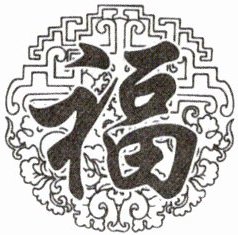
③ During Chinese New Year, we would put up red squares with the character fu on them. Some people would put their fu character upside down.
④ Lu often has something to do with one’s job and richness. Lu meant good pay and high ranks in ancient China. Hulu, a gourd, sounds like fulu. So, people use gourds to scare away bad spirits and illnesses and keep them rich and successful.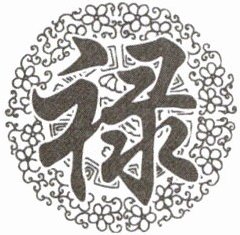
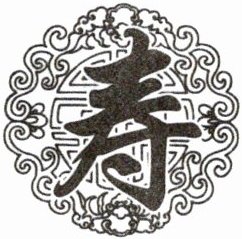
⑤ Shou means a long life. When someone is having his birthday celebration, we would call this person shouxing. At birthday parties for elderly people, we often see peaches. According to the legend, the Queen Mother of the West grew peaches in her own garden, and whoever ate these peaches would live forever.
⑥ Besides the three, lucky and auspicious symbols can also be easily found in food. For Chinese New Year dinner, most families would have fish because it sounds like “surplus”. In southern China, niangao, a kind of rice cake, is a lucky food because niangao sounds like getting higher every year.
Word Bank
typical /ˈtɪpɪkl/ adj. 典型的 element /ˈelɪmənt/ n. 元素 auspicious /ɔːˈspɪʃəs/ adj. 吉祥的
rank /ræŋk/ n. 等级 surplus /ˈsɜːpləs/ adj. 有余的
阅读短文,选择正确答案
(
A. typical traditional Chinese festivals
B. the secrets of richness and success
C. traditional Chinese eating culture
D. Chinese lucky and auspicious symbols
(
A. call shouxing for help
B. wear a gourd with him or her
C. grow peaches in his or her garden
D. often have tangyuan with family
(
A. ① 分支出②、③、⑥;③分支出④;④分支出⑤
B. ①→②,②分支出③、④、⑤、⑥
C. ①分支出②、③;③分支出⑤、⑥;②分支出④
D. ①分支出②、⑥;②分支出③、④、⑤

① At Chinese celebrations, whether it is an important birthday or a traditional festival, one of the most typical elements is the lucky and auspicious symbols.
② For most Chinese, when it comes to lucky symbols, the top three are surely fu, lu and shou.
③ During Chinese New Year, we would put up red squares with the character fu on them. Some people would put their fu character upside down.
④ Lu often has something to do with one’s job and richness. Lu meant good pay and high ranks in ancient China. Hulu, a gourd, sounds like fulu. So, people use gourds to scare away bad spirits and illnesses and keep them rich and successful.
⑤ Shou means a long life. When someone is having his birthday celebration, we would call this person shouxing. At birthday parties for elderly people, we often see peaches. According to the legend, the Queen Mother of the West grew peaches in her own garden, and whoever ate these peaches would live forever.
⑥ Besides the three, lucky and auspicious symbols can also be easily found in food. For Chinese New Year dinner, most families would have fish because it sounds like “surplus”. In southern China, niangao, a kind of rice cake, is a lucky food because niangao sounds like getting higher every year.
Word Bank
typical /ˈtɪpɪkl/ adj. 典型的 element /ˈelɪmənt/ n. 元素 auspicious /ɔːˈspɪʃəs/ adj. 吉祥的
rank /ræŋk/ n. 等级 surplus /ˈsɜːpləs/ adj. 有余的
阅读短文,选择正确答案
(
D
)1. The writer mainly tells us about D
.A. typical traditional Chinese festivals
B. the secrets of richness and success
C. traditional Chinese eating culture
D. Chinese lucky and auspicious symbols
(
B
)2. When a Chinese person wants to get a better job, he or she may B
.A. call shouxing for help
B. wear a gourd with him or her
C. grow peaches in his or her garden
D. often have tangyuan with family
(
D
)3. [新考法+篇章结构] The structure of the passage may be D
.A. ① 分支出②、③、⑥;③分支出④;④分支出⑤
B. ①→②,②分支出③、④、⑤、⑥
C. ①分支出②、③;③分支出⑤、⑥;②分支出④
D. ①分支出②、⑥;②分支出③、④、⑤
答案
时文阅读——讲好中国故事
答案速查 1.D 2.B 3.D
【主旨大意】本文主要介绍了在中国庆祝活动中具有幸运吉祥寓意的“福、禄、寿”以及一些食物。
1. D 【点拨】主旨大意题。通读全文可知,本文主要介绍了中国文化中幸运吉祥的象征。故选 D。
2. B 【点拨】推理判断题。根据第四段可推测,一个人想要一份更好的工作时,他或她可能会佩戴一个葫芦。故选 B。
3. D 【点拨】篇章结构题。第一段讲在中国的庆祝活动中,最典型的元素之一是幸运和吉祥的象征;第二段介绍幸运和吉祥的象征——福、禄、寿;第三、四、五段分别介绍了福、禄、寿的含义及应用;最后一段介绍了除福、禄、寿这三个以外,还有这种寓意的一些食物,所以 D 项的结构最符合。故选 D。
答案速查 1.D 2.B 3.D
【主旨大意】本文主要介绍了在中国庆祝活动中具有幸运吉祥寓意的“福、禄、寿”以及一些食物。
1. D 【点拨】主旨大意题。通读全文可知,本文主要介绍了中国文化中幸运吉祥的象征。故选 D。
2. B 【点拨】推理判断题。根据第四段可推测,一个人想要一份更好的工作时,他或她可能会佩戴一个葫芦。故选 B。
3. D 【点拨】篇章结构题。第一段讲在中国的庆祝活动中,最典型的元素之一是幸运和吉祥的象征;第二段介绍幸运和吉祥的象征——福、禄、寿;第三、四、五段分别介绍了福、禄、寿的含义及应用;最后一段介绍了除福、禄、寿这三个以外,还有这种寓意的一些食物,所以 D 项的结构最符合。故选 D。
解析
【分析】
本题为英语时文阅读选择题,包含主旨大意题、推理判断题、篇章结构题三类。解题思路如下:1. 第1题需通读全文,把握文章核心主题,排除片面选项;2. 第2题需定位原文对应段落,结合细节信息进行推理;3. 第3题需梳理各段落的逻辑关系,明确总起与分述的结构,匹配对应选项。
【解析】
1. 第1题:通读全文可知,文章围绕中国庆祝活动中的吉祥象征(福、禄、寿及相关食物)展开。A选项仅涉及传统节日,B选项仅提及财富与成功,C选项仅涉及饮食文化,均为片面内容,排除后选D。
2. 第2题:定位到第④段,文中提到“Lu often has something to do with one’s job and richness... Hulu... sounds like fulu. So, people use gourds... keep them rich and successful.”,说明禄与工作相关,葫芦谐音“福禄”,寓意成功,因此想要更好的工作可能佩戴葫芦,选B。
3. 第3题:梳理段落逻辑:第①段总起(庆祝活动中吉祥象征是典型元素);第②段点明核心吉祥象征为福禄寿;第③-⑤段分别介绍福、禄、寿的含义;第⑥段介绍其他吉祥食物,对应选项D的结构,选D。
【答案】
1.D 2.B 3.D
【知识点】
英语阅读理解、主旨大意题、篇章结构题
【点评】
本文是介绍中国传统吉祥文化的时文,题型涵盖主旨大意、推理判断、篇章结构,考查学生对文章整体内容、细节信息及逻辑结构的理解,贴近文化类阅读的命题方向,难度适中。
【难度系数】
0.7
本题为英语时文阅读选择题,包含主旨大意题、推理判断题、篇章结构题三类。解题思路如下:1. 第1题需通读全文,把握文章核心主题,排除片面选项;2. 第2题需定位原文对应段落,结合细节信息进行推理;3. 第3题需梳理各段落的逻辑关系,明确总起与分述的结构,匹配对应选项。
【解析】
1. 第1题:通读全文可知,文章围绕中国庆祝活动中的吉祥象征(福、禄、寿及相关食物)展开。A选项仅涉及传统节日,B选项仅提及财富与成功,C选项仅涉及饮食文化,均为片面内容,排除后选D。
2. 第2题:定位到第④段,文中提到“Lu often has something to do with one’s job and richness... Hulu... sounds like fulu. So, people use gourds... keep them rich and successful.”,说明禄与工作相关,葫芦谐音“福禄”,寓意成功,因此想要更好的工作可能佩戴葫芦,选B。
3. 第3题:梳理段落逻辑:第①段总起(庆祝活动中吉祥象征是典型元素);第②段点明核心吉祥象征为福禄寿;第③-⑤段分别介绍福、禄、寿的含义;第⑥段介绍其他吉祥食物,对应选项D的结构,选D。
【答案】
1.D 2.B 3.D
【知识点】
英语阅读理解、主旨大意题、篇章结构题
【点评】
本文是介绍中国传统吉祥文化的时文,题型涵盖主旨大意、推理判断、篇章结构,考查学生对文章整体内容、细节信息及逻辑结构的理解,贴近文化类阅读的命题方向,难度适中。
【难度系数】
0.7
