

 登录
一、完形填空
In 2055, I will live in a special house. It won't be very 1, because the earth will be more crowded (拥挤的) in thirty years. But it will be great and full of smart furniture (智能家具). It can provide me with a lot of help in my life. In the morning, my bed will “stand up” and wake me up. So I don't 2 an alarm clock. After I wash my face and brush my teeth, I go into the 3. Look! My breakfast is 4. Who cooks it? My smart table 5.
I will spend the daytime in my office. But I can still know what is 6 in my house. Is there anyone visiting me? Does my dog do well at 7? I can watch all of these on my smart 8. When I get home in the evening, the lights will “know” I'm back and they will 9 themselves. I believe I will have such a 10 house. What do you think of it?
1. A. small
B. tidy
C. beautiful
D. big
2. A. need
B. send
C. like
D. make
3. A. bathroom
B. kitchen
C. bedroom
D. living room
4. A. important
B. cold
C. ready
D. lost
5. A. brings
B. watches
C. sees
D. does
6. A. living
B. happening
C. running
D. missing
7. A. school
B. work
C. home
D. office
8. A. car
B. house
C. phone
D. shop
9. A. turn on
B. put on
C. look for
D. wait for
10. A. careful
B. cool
C. boring
D. bad
答案
【文章大意】本文是一篇记叙文,描述了作者对 2055 年居住的房子的畅想。
1. D 根据“the earth will be more crowded in thirty years”可知,地球在三十年后将会更加拥挤,因此房子不会太大。故选 D。
2. A 根据“In the morning, my bed will ‘stand up’ and wake me up.”可知,作者不需要闹钟就能起床。故选 A。
3. B 根据下文“Look! My breakfast...”可知,作者洗漱完走进了厨房。故选 B。
4. C 根据“Who cooks it?”可知,早餐已经准备好了。故选 C。
5. D 根据“Who cooks it?”和“My smart table...”可知,此处指是作者的智能桌做的早餐,用 does 代替前一句的“cooks”以避免重复。故选 D。
6. B 根据“Is there anyone visiting me? Does my dog do well at...”可知,即使在公司,也能知道房子里正在发生什么。故选 B。
7. C 根据上文“But I can still know what is... in my house.”可知,此处指狗在家是否表现得好,at home“在家”。故选 C。
8. C 根据“I can watch all of these on my smart...”可知,通过智能手机可以知道家里发生的一切。故选 C。
9. A turn on 打开;put on 穿上;look for 寻找;wait for 等待根据“the lights will ‘know’ I'm back”可知,智能灯知道主人回家,会自行打开。故选 A。
10. B 根据上文作者的描述可知,这样的一所房子是很酷的。故选 B。
解析
【分析】
这是一篇关于未来居住环境的记叙文完形填空,解题思路如下:首先通读全文,把握文章主旨是畅想2055年的智能住宅;做每个小题时,结合空格前后的语境、上下文逻辑关系,以及词汇的词义辨析来确定选项;完成所有题目后,再通读全文检查语义是否连贯、逻辑是否通顺。
【解析】
1. 根据后文“the earth will be more crowded (拥挤的) in thirty years”可知,地球在三十年后会更拥挤,因此房子不会太大,故选D。
2. 前文提到“my bed will ‘stand up’ and wake me up”,说明床会叫醒作者,所以作者不需要闹钟,故选A。
3. 后文提到“breakfast”,说明洗漱后作者走进了厨房,故选B。
4. 根据“Who cooks it?”可知,早餐已经准备好,故选C。
5. 此处用does代替前文的“cooks”,避免重复,说明是智能桌做的早餐,故选D。
6. 后文询问家里的情况,说明即使在办公室也能知道家里正在发生的事,故选B。
7. 结合前文“in my house”,此处指狗在家是否表现良好,at home是固定搭配,故选C。
8. 能查看家里情况的是智能手机,故选C。
9. 智能灯知道主人回来,会自行打开,turn on表示“打开”,故选A。
10. 结合全文对智能房子的描述,这样的房子是很酷的,故选B。
【答案】
1.D 2.A 3.B 4.C 5.D 6.B 7.C 8.C 9.A 10.B
【知识点】
完形填空解题技巧、记叙文阅读理解、词汇词义辨析
【点评】
本文围绕未来智能居住环境展开,属于记叙文,难度适中,需要结合上下文语境和词汇用法解题,能有效考查学生的阅读理解与词汇运用能力,符合建议用时要求,适合中等水平学生练习。
【难度系数】
0.6
二、阅读理解
In the past, many people farmed in the countryside. But now farming is getting popular in big cities. Many young people in the city like growing vegetables on the balconies of their houses. People call them “city farmers”.
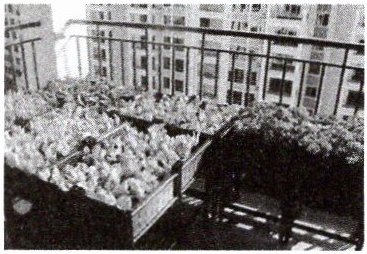
Zhang Chao, an 18-year-old student from Anhui, is one of the “city farmers”. He says his love for farming came from his grandpa. When he was young, he lived with his grandpa in the countryside. “My grandpa spent all his life farming,” he says. “He taught me how to grow vegetables.” It's hard to grow vegetables on balconies. To help his vegetables grow well, Zhang Chao spends all his free time looking after them.
People ask Zhang why he likes growing vegetables. “Growing vegetables on balconies can bring me delicious and healthy food and help me eat well,” says Zhang. “It also reminds (使想起) me of the happy time with my grandpa.”
After finishing his homework on weekends, Zhang likes walking around to enjoy his vegetables. “Growing vegetables is not easy and needs a lot of work. But seeing my vegetables in different colours and enjoying the clean air are really pleasant and relaxing,” says Zhang.
Gradually, Zhang Chao's balcony vegetable garden turned into a pretty view in the neighbourhood. Many neighbours (邻居) came to see it and learn from him. He happily shares his gardening tips and invites more people to be “city farmers” too, so they can all appreciate (欣赏) nature's wonderful gifts together.
1. What can we know about “city farmers”?
A. They farm in the countryside.
B. They grow vegetables on balconies.
C. They like living in the countryside.
D. They come to the city to teach farming.
2. Who taught Zhang Chao to grow vegetables?
A. His grandpa.
B. His grandma.
C. His father.
D. His uncle.
3. What does Paragraph 3 mainly tell us?
A. What Zhang eats.
B. Why Zhang grows vegetables.
C. What Zhang grows.
D. Where Zhang grows vegetables.
4. How is growing vegetables for Zhang Chao?
A. Hard but relaxing.
B. Hard and uninteresting.
C. Easy and relaxing.
D. Easy but uninteresting.
In the past, many people farmed in the countryside. But now farming is getting popular in big cities. Many young people in the city like growing vegetables on the balconies of their houses. People call them “city farmers”.
Zhang Chao, an 18-year-old student from Anhui, is one of the “city farmers”. He says his love for farming came from his grandpa. When he was young, he lived with his grandpa in the countryside. “My grandpa spent all his life farming,” he says. “He taught me how to grow vegetables.” It's hard to grow vegetables on balconies. To help his vegetables grow well, Zhang Chao spends all his free time looking after them.
People ask Zhang why he likes growing vegetables. “Growing vegetables on balconies can bring me delicious and healthy food and help me eat well,” says Zhang. “It also reminds (使想起) me of the happy time with my grandpa.”
After finishing his homework on weekends, Zhang likes walking around to enjoy his vegetables. “Growing vegetables is not easy and needs a lot of work. But seeing my vegetables in different colours and enjoying the clean air are really pleasant and relaxing,” says Zhang.
Gradually, Zhang Chao's balcony vegetable garden turned into a pretty view in the neighbourhood. Many neighbours (邻居) came to see it and learn from him. He happily shares his gardening tips and invites more people to be “city farmers” too, so they can all appreciate (欣赏) nature's wonderful gifts together.
1. What can we know about “city farmers”?
A. They farm in the countryside.
B. They grow vegetables on balconies.
C. They like living in the countryside.
D. They come to the city to teach farming.
2. Who taught Zhang Chao to grow vegetables?
A. His grandpa.
B. His grandma.
C. His father.
D. His uncle.
3. What does Paragraph 3 mainly tell us?
A. What Zhang eats.
B. Why Zhang grows vegetables.
C. What Zhang grows.
D. Where Zhang grows vegetables.
4. How is growing vegetables for Zhang Chao?
A. Hard but relaxing.
B. Hard and uninteresting.
C. Easy and relaxing.
D. Easy but uninteresting.
答案
【文章大意】本文是一篇记叙文,主要以一名学生为例,讲述了越来越多的城市居民喜欢在阳台上种菜,以及这件事情带给了“城市农夫”很多好处。
1. B 细节理解题。根据“Many young people in the city like growing vegetables on the balconies of their houses.”可知,他们在阳台上种菜。故选 B。
2. A 细节理解题。根据“He says his love for farming came from his grandpa.”可知,是张超的爷爷教他种菜。故选 A。
3. B 段落大意题。根据“People ask Zhang why he likes growing vegetables.”可知,第三段主要告诉我们张超为什么种菜。故选 B。
4. A 推理判断题。根据“Growing vegetables is not easy and needs a lot of work. But seeing my vegetables... really pleasant and relaxing”可知,他认为种菜很辛苦但是令人放松。故选 A。
解析
【分析】
这是英语阅读理解选择题,包含细节理解题、段落大意题和推理判断题。解题思路为:针对每个题目,先提取题干关键词,回到原文定位对应内容,再将原文信息与选项逐一匹配,从而选出正确答案。
【解析】
1. 细节理解题:根据原文第一段“Many young people in the city like growing vegetables on the balconies of their houses. People call them ‘city farmers’.”可知,“城市农夫”是在阳台种菜的城市年轻人,对应选项B。
2. 细节理解题:根据原文第二段“He says his love for farming came from his grandpa. ... He taught me how to grow vegetables.”可知,张超的爷爷教他种菜,对应选项A。
3. 段落大意题:第三段以“People ask Zhang why he likes growing vegetables.”引出内容,主要讲述张超喜欢种菜的原因,对应选项B。
4. 推理判断题:根据原文第四段“Growing vegetables is not easy and needs a lot of work. But seeing my vegetables in different colours and enjoying the clean air are really pleasant and relaxing.”可知,张超认为种菜辛苦但令人放松,对应选项A。
【答案】
1. B 2. A 3. B 4. A
【知识点】
英语阅读理解、细节理解题、段落大意题
【点评】
本题是初中英语阅读理解基础题型,考查学生对文章细节、段落主旨的把握,解题时只需精准定位原文对应内容即可得出答案,难度适中。
【难度系数】
0.8
