

 登录
登录
Ⅲ. 阅读理解(每小题2分,共20分)
A
学习能力 学习策略 ①Growing up, I always took notes in class by hand. I would copy everything from the blackboard or slide(幻灯片) while listening to the teacher. When I entered college, I noticed that many students were using laptops to take notes. Sometimes, I wondered: Should I change my note-taking habits? Could I get better grades if I typed my notes instead of writing them by hand?
②A study at Princeton University looked at different note-taking skills. The researchers asked pairs of students to take notes during an online course. In each pair, one student used a computer, and the other used pen and paper. The researchers found that the students performed similarly on fact-based questions. However, some questions required that the students answered what they had learned in the lesson. On these questions, the "typing or copying everything" students scored much lower. Interestingly, this study also found that students who didn't copy the notes word for word scored higher. And this discovery made me improve my note-taking habits.
③"With laptops or your pen and paper, you can write a lot of things down," said Michi Matsukura, one of my professors. "The problem is, are you trying to understand what you're writing?"
④Now, "conceptual(概念化的) note taking"—concentrate on big ideas, key terms, and interesting facts—simply makes more sense to us. We've found it more helpful in our studies than copying everything. It wasn't easy to make this change, though. There was a fear of missing something when I first stopped writing down everything on the slide.
⑤It takes time and effort to discover and master the art of note taking. You can write your notes by hand or type them. You can copy word for word or try "conceptual note taking". In the end, they are your notes. Just do what works best for you.
1. Which is TRUE about typing or copying the notes word for word?
A. It's helpful to answer some fact-based questions.
B. People always use some key terms when copying.
C. Big ideas are often used when people copy the notes.
D. It's easy to answer what we have learned in the lesson.
2. What made the writer change his note-taking habits?
A. His professor's advice.
B. The finding of a study.
C. An online course.
D. His classmate's help.
3. What does the underlined phrase "concentrate on" mean in the fourth paragraph?
A. Pay attention to.
B. Depend on.
C. Take care of.
D. Prepare for.
4. What is the writer's opinion in the last paragraph?
A. Conceptual note taking is more important.
B. Typing on laptops can help get better grades.
C. He especially supports copying everything down.
D. It's better to choose a method that works best for you.
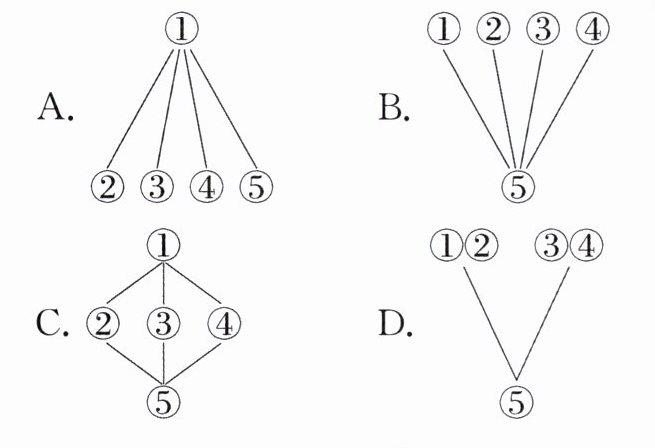
5. 新考法 篇章结构 What is the right structure of the passage?
B
A
学习能力 学习策略 ①Growing up, I always took notes in class by hand. I would copy everything from the blackboard or slide(幻灯片) while listening to the teacher. When I entered college, I noticed that many students were using laptops to take notes. Sometimes, I wondered: Should I change my note-taking habits? Could I get better grades if I typed my notes instead of writing them by hand?
②A study at Princeton University looked at different note-taking skills. The researchers asked pairs of students to take notes during an online course. In each pair, one student used a computer, and the other used pen and paper. The researchers found that the students performed similarly on fact-based questions. However, some questions required that the students answered what they had learned in the lesson. On these questions, the "typing or copying everything" students scored much lower. Interestingly, this study also found that students who didn't copy the notes word for word scored higher. And this discovery made me improve my note-taking habits.
③"With laptops or your pen and paper, you can write a lot of things down," said Michi Matsukura, one of my professors. "The problem is, are you trying to understand what you're writing?"
④Now, "conceptual(概念化的) note taking"—concentrate on big ideas, key terms, and interesting facts—simply makes more sense to us. We've found it more helpful in our studies than copying everything. It wasn't easy to make this change, though. There was a fear of missing something when I first stopped writing down everything on the slide.
⑤It takes time and effort to discover and master the art of note taking. You can write your notes by hand or type them. You can copy word for word or try "conceptual note taking". In the end, they are your notes. Just do what works best for you.
1. Which is TRUE about typing or copying the notes word for word?
A. It's helpful to answer some fact-based questions.
B. People always use some key terms when copying.
C. Big ideas are often used when people copy the notes.
D. It's easy to answer what we have learned in the lesson.
2. What made the writer change his note-taking habits?
A. His professor's advice.
B. The finding of a study.
C. An online course.
D. His classmate's help.
3. What does the underlined phrase "concentrate on" mean in the fourth paragraph?
A. Pay attention to.
B. Depend on.
C. Take care of.
D. Prepare for.
4. What is the writer's opinion in the last paragraph?
A. Conceptual note taking is more important.
B. Typing on laptops can help get better grades.
C. He especially supports copying everything down.
D. It's better to choose a method that works best for you.
5. 新考法 篇章结构 What is the right structure of the passage?
B
答案
Ⅲ. 1.A 2.B 3.A 4.D 5.C
A
【语篇解读】本文是一篇议论文。文章主要介绍了不同的记笔记方式,作者建议我们最好选择适合自己的方式。
1. A 解析:判断正误题。根据“The researchers found that the students performed similarly on fact-based questions.”可知,研究人员发现,在基于事实的问题上,“打字或逐字抄写”的学生们的表现相似。因此“打字或逐字抄写”记笔记对回答一些基于事实的问题是有帮助的。故选 A。
2. B 解析:细节理解题。根据“And this discovery made me improve my note-taking habits.”可知,研究结果促使作者改善了记笔记的习惯。故选 B。
3. A 解析:词义猜测题。“big ideas(大的观点)”“key terms(关键术语)”“interesting facts(有趣的事实)”都是在记笔记时关注、聚焦的内容类别,所以可以推断出“concentrate on”有“专注于、集中注意力于”这类意思,与“Pay attention to”同义。故选 A。
4. D 解析:观点态度题。根据“In the end, they are your notes. Just do what works best for you.”可知,作者认为最好选择一种适合自己的方式。故选 D。
5. C 解析:篇章结构题。通读全文可知,本文首先提出问题,然后分三段进行说明,最后写出结论。采用的是总——分——总的写作结构。故选 C。
A
【语篇解读】本文是一篇议论文。文章主要介绍了不同的记笔记方式,作者建议我们最好选择适合自己的方式。
1. A 解析:判断正误题。根据“The researchers found that the students performed similarly on fact-based questions.”可知,研究人员发现,在基于事实的问题上,“打字或逐字抄写”的学生们的表现相似。因此“打字或逐字抄写”记笔记对回答一些基于事实的问题是有帮助的。故选 A。
2. B 解析:细节理解题。根据“And this discovery made me improve my note-taking habits.”可知,研究结果促使作者改善了记笔记的习惯。故选 B。
3. A 解析:词义猜测题。“big ideas(大的观点)”“key terms(关键术语)”“interesting facts(有趣的事实)”都是在记笔记时关注、聚焦的内容类别,所以可以推断出“concentrate on”有“专注于、集中注意力于”这类意思,与“Pay attention to”同义。故选 A。
4. D 解析:观点态度题。根据“In the end, they are your notes. Just do what works best for you.”可知,作者认为最好选择一种适合自己的方式。故选 D。
5. C 解析:篇章结构题。通读全文可知,本文首先提出问题,然后分三段进行说明,最后写出结论。采用的是总——分——总的写作结构。故选 C。
解析
【分析】本题考查英语阅读理解中的篇章结构分析,解题思路为:先通读全文,梳理各段落的核心内容与作用,明确文章的行文逻辑,进而判断整体结构。首先看文章:第①段总起,提出关于记笔记方式的疑问;第②-④段分别介绍相关研究发现、教授观点及作者自身的习惯改变(属于分述部分);第⑤段总结全文,给出核心观点。由此可判断文章结构。
【解析】通读全文可知,第①段总起,引出记笔记方式的讨论;第②至④段分别阐述研究结果、教授建议及作者的习惯调整,属于分述内容;第⑤段总结全文,点明要选择适合自己的记笔记方式,整体为总-分-总结构,对应选项C。
【答案】C
【知识点】英语阅读理解、篇章结构分析
【点评】本题聚焦语篇结构的判断,需学生梳理段落间的逻辑关系,是英语阅读的常见题型,难度适中,能考查学生的语篇分析能力。
【难度系数】0.6
【解析】通读全文可知,第①段总起,引出记笔记方式的讨论;第②至④段分别阐述研究结果、教授建议及作者的习惯调整,属于分述内容;第⑤段总结全文,点明要选择适合自己的记笔记方式,整体为总-分-总结构,对应选项C。
【答案】C
【知识点】英语阅读理解、篇章结构分析
【点评】本题聚焦语篇结构的判断,需学生梳理段落间的逻辑关系,是英语阅读的常见题型,难度适中,能考查学生的语篇分析能力。
【难度系数】0.6
