

 登录
登录
一、新素养 价值导向 完形填空。
It was a rainy, windy afternoon. David stood outside happily because it was perfect weather to test his new invention—Umbrella Hat. He could hardly wait to see whether it could keep the rain off. He 1 put the hat on his head and started walking along the street. It worked!
Suddenly, three boys in his neighbourhood stopped him. Ben, the biggest one, pulled his Umbrella Hat off his head rudely (粗鲁地). “What’s this?” he asked. “It’s an Umbrella Hat. You can wear it on rainy days and …” David said.
The boys 2, “Will anyone wear that stupid thing?” Ben threw the hat onto the ground and they ran off. David 3 his Umbrella Hat from the ground in tears.
Just then, he heard a lady say to him, “Are you okay?” Then she saw the 4 Umbrella Hat and asked, “Er … what’s that?”
“It’s my Umbrella Hat. I thought of it and made it myself …” answered David.
“How clever you are! Don’t ever let others put you down! Keep 5 and one day you will create something great!” said the lady.
After hearing these words, he felt much 6 and could already feel lots of new ideas coming out, waiting to spring into life!
(
B. quietly
C. carefully
D. busily
(
B. laughed
C. watched
D. discussed
(
B. gave up
C. looked up
D. put up
(
B. new
C. broken
D. wonderful
(
B. trying
C. training
D. serving
(
B. worse
C. good
D. better
It was a rainy, windy afternoon. David stood outside happily because it was perfect weather to test his new invention—Umbrella Hat. He could hardly wait to see whether it could keep the rain off. He 1 put the hat on his head and started walking along the street. It worked!
Suddenly, three boys in his neighbourhood stopped him. Ben, the biggest one, pulled his Umbrella Hat off his head rudely (粗鲁地). “What’s this?” he asked. “It’s an Umbrella Hat. You can wear it on rainy days and …” David said.
The boys 2, “Will anyone wear that stupid thing?” Ben threw the hat onto the ground and they ran off. David 3 his Umbrella Hat from the ground in tears.
Just then, he heard a lady say to him, “Are you okay?” Then she saw the 4 Umbrella Hat and asked, “Er … what’s that?”
“It’s my Umbrella Hat. I thought of it and made it myself …” answered David.
“How clever you are! Don’t ever let others put you down! Keep 5 and one day you will create something great!” said the lady.
After hearing these words, he felt much 6 and could already feel lots of new ideas coming out, waiting to spring into life!
(
C
)1. A. sadlyB. quietly
C. carefully
D. busily
(
B
)2. A. greetedB. laughed
C. watched
D. discussed
(
A
)3. A. picked upB. gave up
C. looked up
D. put up
(
C
)4. A. niceB. new
C. broken
D. wonderful
(
B
)5. A. copyingB. trying
C. training
D. serving
(
D
)6. A. badB. worse
C. good
D. better
答案
1. C 2. B 3. A 4. C 5. B 6. D
解析
【分析】
首先通读全文梳理故事主线:本文讲述了小发明家David测试自己的新发明雨伞帽时,被邻居男孩嘲笑并弄坏了作品,之后得到陌生女士的鼓励重新振作的小故事。解题时先整体把握故事的情感走向和情节逻辑,再逐空结合前后文给出的线索,对比四个选项的词义,排除不符合语境的错误选项,同时结合基础语法规则验证答案,就能顺利选出所有正确选项。
【解析】
1. 第1空:前文提到David非常期待测试自己的新发明雨伞帽,对待自己的新发明他的动作应该是小心翼翼的。A.sadly(伤心地)、B.quietly(安静地)、D.busily(忙碌地)都不符合语境,C.carefully(小心地)符合逻辑,故选C。
2. 第2空:后文男孩说出“谁会戴这么蠢的东西?”这类嘲讽的话语,说明他们是在嘲笑David。A.greeted(打招呼)、C.watched(观看)、D.discussed(讨论)都不符合嘲讽的语境,B.laughed(嘲笑)符合文意,故选B。
3. 第3空:前文提到Ben把雨伞帽扔到了地上,David流着泪的动作应该是把帽子从地上捡起来。A.picked up(捡起)符合语境,B.gave up(放弃)、C.looked up(查阅/抬头看)、D.put up(张贴/搭建)均不符合情节,故选A。
4. 第4空:雨伞帽刚刚被男孩粗鲁地扔到地上,此时的帽子已经是破损的状态。A.nice(好看的)、B.new(新的)、D.wonderful(很棒的)都不符合被扔之后的状态,C.broken(破损的)符合逻辑,故选C。
5. 第5空:女士在鼓励David不要被他人的负面评价打倒,要继续坚持尝试,未来才能创造出伟大的作品。A.copying(复制)、C.training(训练)、D.serving(服务)都不符合鼓励的语境,B.trying(尝试)符合文意,故选B。
6. 第6空:David之前因为帽子被弄坏很伤心,听完鼓励的话之后状态变好了,同时程度副词much后面需要搭配形容词比较级,A.bad(坏的,原级)、B.worse(更差,不符合语境)、C.good(好的,原级)都不对,D.better(更好的,比较级)符合要求,故选D。
【答案】
1.C 2.B 3.A 4.C 5.B 6.D
【知识点】
语境词义辨析
动词短语辨析
形容词比较级用法
【点评】
本题属于故事类记叙文完形填空,整体情节简单易懂,传递了尊重创意、坚持自我不要被他人负面评价打倒的正向价值导向,所有题目的线索都能在上下文中找到对应,同时考察了初中低年级阶段的核心词汇和基础语法点,难度较低,适合刚接触完形填空的学生练习,既能巩固词汇基础也能获得正向的情感引导。
【难度系数】
0.8
首先通读全文梳理故事主线:本文讲述了小发明家David测试自己的新发明雨伞帽时,被邻居男孩嘲笑并弄坏了作品,之后得到陌生女士的鼓励重新振作的小故事。解题时先整体把握故事的情感走向和情节逻辑,再逐空结合前后文给出的线索,对比四个选项的词义,排除不符合语境的错误选项,同时结合基础语法规则验证答案,就能顺利选出所有正确选项。
【解析】
1. 第1空:前文提到David非常期待测试自己的新发明雨伞帽,对待自己的新发明他的动作应该是小心翼翼的。A.sadly(伤心地)、B.quietly(安静地)、D.busily(忙碌地)都不符合语境,C.carefully(小心地)符合逻辑,故选C。
2. 第2空:后文男孩说出“谁会戴这么蠢的东西?”这类嘲讽的话语,说明他们是在嘲笑David。A.greeted(打招呼)、C.watched(观看)、D.discussed(讨论)都不符合嘲讽的语境,B.laughed(嘲笑)符合文意,故选B。
3. 第3空:前文提到Ben把雨伞帽扔到了地上,David流着泪的动作应该是把帽子从地上捡起来。A.picked up(捡起)符合语境,B.gave up(放弃)、C.looked up(查阅/抬头看)、D.put up(张贴/搭建)均不符合情节,故选A。
4. 第4空:雨伞帽刚刚被男孩粗鲁地扔到地上,此时的帽子已经是破损的状态。A.nice(好看的)、B.new(新的)、D.wonderful(很棒的)都不符合被扔之后的状态,C.broken(破损的)符合逻辑,故选C。
5. 第5空:女士在鼓励David不要被他人的负面评价打倒,要继续坚持尝试,未来才能创造出伟大的作品。A.copying(复制)、C.training(训练)、D.serving(服务)都不符合鼓励的语境,B.trying(尝试)符合文意,故选B。
6. 第6空:David之前因为帽子被弄坏很伤心,听完鼓励的话之后状态变好了,同时程度副词much后面需要搭配形容词比较级,A.bad(坏的,原级)、B.worse(更差,不符合语境)、C.good(好的,原级)都不对,D.better(更好的,比较级)符合要求,故选D。
【答案】
1.C 2.B 3.A 4.C 5.B 6.D
【知识点】
语境词义辨析
动词短语辨析
形容词比较级用法
【点评】
本题属于故事类记叙文完形填空,整体情节简单易懂,传递了尊重创意、坚持自我不要被他人负面评价打倒的正向价值导向,所有题目的线索都能在上下文中找到对应,同时考察了初中低年级阶段的核心词汇和基础语法点,难度较低,适合刚接触完形填空的学生练习,既能巩固词汇基础也能获得正向的情感引导。
【难度系数】
0.8
二、新情境 传统文化 阅读短文,判断下列句子正(T)误(F)。
Did you watch the cartoon film Chang An (《长安三万里》)? It is about a famous Chinese poet (诗人), Li Bai. When he was young, he was very clever. He could write many poems. You may think he worked hard at school then. But he didn’t. Here is a story about him.
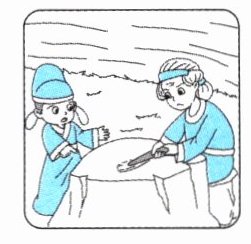
One day, Li Bai got bored at school. He left the school and took a walk along the river. Then he saw an old woman near the river. She was grinding (打磨) a big iron rod (铁棒) on a stone.
“What are you doing?” Li Bai asked.
“I’m making a needle (针),” the old woman said.
“It’ll take many years!” Li Bai said.
“Yes, but I can do it some day. One step at a time,” said the old woman.
“One step at a time … Oh, yes! I understand (理解) now,” Li Bai said excitedly. Day by day, step by step, he got better in his studies. At last, he became one of the most famous poets in the Tang Dynasty.
(
(
(
(
(
Did you watch the cartoon film Chang An (《长安三万里》)? It is about a famous Chinese poet (诗人), Li Bai. When he was young, he was very clever. He could write many poems. You may think he worked hard at school then. But he didn’t. Here is a story about him.
One day, Li Bai got bored at school. He left the school and took a walk along the river. Then he saw an old woman near the river. She was grinding (打磨) a big iron rod (铁棒) on a stone.
“What are you doing?” Li Bai asked.
“I’m making a needle (针),” the old woman said.
“It’ll take many years!” Li Bai said.
“Yes, but I can do it some day. One step at a time,” said the old woman.
“One step at a time … Oh, yes! I understand (理解) now,” Li Bai said excitedly. Day by day, step by step, he got better in his studies. At last, he became one of the most famous poets in the Tang Dynasty.
(
F
)1. Chang An refers to a Chinese poem in this passage.(
T
)2. When Li Bai was a little boy, he could write many poems.(
T
)3. Li Bai left the school because he was bored.(
F
)4. The old woman was making an iron rod by the river.(
T
)5. Li Bai learned that he should keep working hard from the old woman.答案
1. F 2. T 3. T 4. F 5. T
解析
【分析】
这是一篇英语阅读正误判断题,解题时首先通读全文,梳理清楚文章核心内容:本文介绍了动画电影《长安三万里》的主角李白年少时受老妇人铁杵磨成针的启发,坚持努力最终成为唐代著名诗人的故事。之后逐个对照每道题干,回到原文定位对应的语句,比对题干描述和原文信息是否完全匹配,信息一致则判为正确(T),信息矛盾则判为错误(F)。
【解析】
1. 原文第一句明确说明Chang An是一部卡通电影(cartoon film),并非中国诗歌,题干描述和原文不符,故答案为F。
2. 原文第一段提到"When he was young, he was very clever. He could write many poems.",和题干“李白小时候就能写很多诗”的表述一致,故答案为T。
3. 原文第二段第一句"One day, Li Bai got bored at school. He left the school and took a walk along the river.",说明李白离开学校的原因是在学校感到无聊,和题干表述一致,故答案为T。
4. 文中河边的老妇人正在把铁棒磨成针(making a needle),并不是在制作铁棒,题干描述和原文矛盾,故答案为F。
5. 李白听完老妇人“一步一步坚持总有一天能做成”的道理后,日复一日刻苦学习,最终成为著名诗人,说明他从老妇人身上学到了要坚持努力的道理,题干表述正确,故答案为T。
【答案】
1.F 2.T 3.T 4.F 5.T
【知识点】
英语阅读细节判断,信息比对,传统文化典故
【点评】
本题结合热门国产动画与中国传统经典小故事创设情境,既考察学生快速定位原文细节、比对信息正误的阅读能力,也能让学生在做题过程中了解“铁杵磨成针”的传统文化典故,兼具知识性和趣味性,整体对学生的阅读能力要求不高。
【难度系数】
0.8
这是一篇英语阅读正误判断题,解题时首先通读全文,梳理清楚文章核心内容:本文介绍了动画电影《长安三万里》的主角李白年少时受老妇人铁杵磨成针的启发,坚持努力最终成为唐代著名诗人的故事。之后逐个对照每道题干,回到原文定位对应的语句,比对题干描述和原文信息是否完全匹配,信息一致则判为正确(T),信息矛盾则判为错误(F)。
【解析】
1. 原文第一句明确说明Chang An是一部卡通电影(cartoon film),并非中国诗歌,题干描述和原文不符,故答案为F。
2. 原文第一段提到"When he was young, he was very clever. He could write many poems.",和题干“李白小时候就能写很多诗”的表述一致,故答案为T。
3. 原文第二段第一句"One day, Li Bai got bored at school. He left the school and took a walk along the river.",说明李白离开学校的原因是在学校感到无聊,和题干表述一致,故答案为T。
4. 文中河边的老妇人正在把铁棒磨成针(making a needle),并不是在制作铁棒,题干描述和原文矛盾,故答案为F。
5. 李白听完老妇人“一步一步坚持总有一天能做成”的道理后,日复一日刻苦学习,最终成为著名诗人,说明他从老妇人身上学到了要坚持努力的道理,题干表述正确,故答案为T。
【答案】
1.F 2.T 3.T 4.F 5.T
【知识点】
英语阅读细节判断,信息比对,传统文化典故
【点评】
本题结合热门国产动画与中国传统经典小故事创设情境,既考察学生快速定位原文细节、比对信息正误的阅读能力,也能让学生在做题过程中了解“铁杵磨成针”的传统文化典故,兼具知识性和趣味性,整体对学生的阅读能力要求不高。
【难度系数】
0.8
