

 登录
登录
新素养 社会责任 It's fun to visit the monkeys at the zoo, watching them play and climb. Sometimes when they sit and look at us, we laugh at how cute they are and talk about how much they seem like us.
But in some countries, monkeys live in cities around people. It might sound fun to have monkeys in the town, but in some cases it isn't pleasant at all.
Monkey business
In New Delhi, India, thousands of small rhesus monkeys(猕猴) live in the city. They steal food from shopkeepers and break into people's houses and leave a mess. Sometimes they even bite people. It's a big problem.
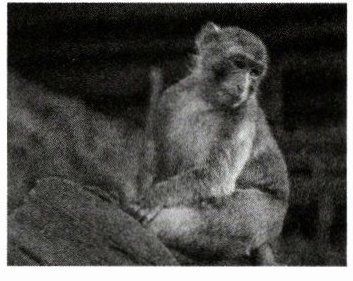
a rhesus monkey
New Delhi used to have forests around it where monkeys had plenty of space to live in the wild. But more and more people are moving to the city. Every year the city grows and more of the forest is cut down. In fact, in many cases, the city is approaching(接近) the monkeys. Monkeys are smart animals who can adjust to new conditions. And now monkeys are learning to live in their new homes.
Monkey, go!
The city has tried many ways to keep monkeys away. One way is to pay workers to catch monkeys and take them to wild areas far from the city. To keep the monkeys from returning for food, trucks bring food out to them.
More recently, the city has trained larger monkeys to scare away smaller rhesus monkeys. But it doesn't work. They will come back in a short time.
Whose home?
The problem of monkeys living too close to humans won't be easily solved. Most people like monkeys and don't want to hurt them, but they don't want monkeys in their homes either, and they don't like to be afraid of groups of monkeys. In fact, those monkeys feel exactly the same way about us. But one thing is clear—if we don't find some ways to protect the homes of wild animals, they may end up in ours.
(
A. get close to B. get used to
C. pay attention to D. make a difference to
(
A. They are not afraid of larger monkeys.
B. They are often poorly treated by people.
C. They are curious about the life in the city.
D. They don't have enough food and living space.
(
But the wild areas aren't large enough for all the monkeys any more.
A. Paragraph 4 B. Paragraph 5 C. Paragraph 6 D. Paragraph 7
(
A. To remind people to protect the forest for animals.
B. To introduce rhesus monkeys in India to people.
C. To call on people to help monkeys in the city.
D. To ask people to guard against rhesus monkeys.
But in some countries, monkeys live in cities around people. It might sound fun to have monkeys in the town, but in some cases it isn't pleasant at all.
Monkey business
In New Delhi, India, thousands of small rhesus monkeys(猕猴) live in the city. They steal food from shopkeepers and break into people's houses and leave a mess. Sometimes they even bite people. It's a big problem.
a rhesus monkey
New Delhi used to have forests around it where monkeys had plenty of space to live in the wild. But more and more people are moving to the city. Every year the city grows and more of the forest is cut down. In fact, in many cases, the city is approaching(接近) the monkeys. Monkeys are smart animals who can adjust to new conditions. And now monkeys are learning to live in their new homes.
Monkey, go!
The city has tried many ways to keep monkeys away. One way is to pay workers to catch monkeys and take them to wild areas far from the city. To keep the monkeys from returning for food, trucks bring food out to them.
More recently, the city has trained larger monkeys to scare away smaller rhesus monkeys. But it doesn't work. They will come back in a short time.
Whose home?
The problem of monkeys living too close to humans won't be easily solved. Most people like monkeys and don't want to hurt them, but they don't want monkeys in their homes either, and they don't like to be afraid of groups of monkeys. In fact, those monkeys feel exactly the same way about us. But one thing is clear—if we don't find some ways to protect the homes of wild animals, they may end up in ours.
(
B
)34. What does the underlined phrase "adjust to" in Paragraph 4 mean?A. get close to B. get used to
C. pay attention to D. make a difference to
(
D
)35. What can we know about rhesus monkeys from the passage?A. They are not afraid of larger monkeys.
B. They are often poorly treated by people.
C. They are curious about the life in the city.
D. They don't have enough food and living space.
(
A
)36. 新考法 句子回填 The following sentence can be best put at the end of .But the wild areas aren't large enough for all the monkeys any more.
A. Paragraph 4 B. Paragraph 5 C. Paragraph 6 D. Paragraph 7
(
A
)37. 新考法 写作意图 What's the writing purpose of this passage?A. To remind people to protect the forest for animals.
B. To introduce rhesus monkeys in India to people.
C. To call on people to help monkeys in the city.
D. To ask people to guard against rhesus monkeys.
答案
D
34. B
35. D 【解析】根据第三段中“They steal food from shopkeepers...”和第四段中“New Delhi used to have forests around... grows and more of the forest is cut down. ”可知,新德里周边的森林遭到不断砍伐,猕猴失去了原本充足的生存空间,食物的缺乏导致猕猴进入城市觅食。
36. A 【解析】第四段讲述了新德里周边的森林被砍伐,城市不断扩张,猴子开始学着适应城市的新环境生活,而题干所给句子“但是野外的空间已经不够所有猴子生存了”能够承接这一内容,解释猴子进入城市的原因,因此,该句最适合放在第四段末尾。
37. A
34. B
35. D 【解析】根据第三段中“They steal food from shopkeepers...”和第四段中“New Delhi used to have forests around... grows and more of the forest is cut down. ”可知,新德里周边的森林遭到不断砍伐,猕猴失去了原本充足的生存空间,食物的缺乏导致猕猴进入城市觅食。
36. A 【解析】第四段讲述了新德里周边的森林被砍伐,城市不断扩张,猴子开始学着适应城市的新环境生活,而题干所给句子“但是野外的空间已经不够所有猴子生存了”能够承接这一内容,解释猴子进入城市的原因,因此,该句最适合放在第四段末尾。
37. A
解析
【分析】
本文围绕印度新德里的猕猴因城市扩张失去森林栖息地,进入城市引发问题展开,设置了词义猜测、细节理解、句子回填、写作意图类题目。解题时需结合原文对应段落的语境、细节、逻辑关系逐一分析:34题需通过上下文推断短语含义;35题需定位原文中猕猴生存空间与食物的相关描述;36题需分析题干句子与各段落的逻辑衔接;37题需结合末段主旨判断写作目的。
【解析】
34题:根据第四段“Monkeys are smart animals who can adjust to new conditions. And now monkeys are learning to live in their new homes.”可知,adjust to意为“适应”,与get used to(习惯于)含义一致,A“靠近”、C“注意”、D“起作用”均不符合语境,故选B。
35题:根据第三段猕猴偷食物、第四段新德里周边森林被砍伐、城市扩张的内容,可知猕猴失去了充足的生存空间,食物缺乏导致进入城市,故选D。
36题:题干句子意为“但野外空间已不够所有猴子生存”,第四段讲述森林被砍、城市扩张,猴子适应城市生活,该句承接上文,解释猴子进入城市的原因,适合放在第四段末尾,故选A。
37题:根据末段“if we don't find some ways to protect the homes of wild animals, they may end up in ours.”可知,作者旨在提醒人们保护野生动物的家园,故选A。
【答案】
34. B 35. D 36. A 37. A
【知识点】
阅读理解、词义猜测、细节理解
【点评】
本文结合人与动物生存冲突的真实问题,考查学生的阅读理解能力,引导学生关注野生动物保护,体现社会责任素养,题型全面,难度适中。
【难度系数】
0.6
本文围绕印度新德里的猕猴因城市扩张失去森林栖息地,进入城市引发问题展开,设置了词义猜测、细节理解、句子回填、写作意图类题目。解题时需结合原文对应段落的语境、细节、逻辑关系逐一分析:34题需通过上下文推断短语含义;35题需定位原文中猕猴生存空间与食物的相关描述;36题需分析题干句子与各段落的逻辑衔接;37题需结合末段主旨判断写作目的。
【解析】
34题:根据第四段“Monkeys are smart animals who can adjust to new conditions. And now monkeys are learning to live in their new homes.”可知,adjust to意为“适应”,与get used to(习惯于)含义一致,A“靠近”、C“注意”、D“起作用”均不符合语境,故选B。
35题:根据第三段猕猴偷食物、第四段新德里周边森林被砍伐、城市扩张的内容,可知猕猴失去了充足的生存空间,食物缺乏导致进入城市,故选D。
36题:题干句子意为“但野外空间已不够所有猴子生存”,第四段讲述森林被砍、城市扩张,猴子适应城市生活,该句承接上文,解释猴子进入城市的原因,适合放在第四段末尾,故选A。
37题:根据末段“if we don't find some ways to protect the homes of wild animals, they may end up in ours.”可知,作者旨在提醒人们保护野生动物的家园,故选A。
【答案】
34. B 35. D 36. A 37. A
【知识点】
阅读理解、词义猜测、细节理解
【点评】
本文结合人与动物生存冲突的真实问题,考查学生的阅读理解能力,引导学生关注野生动物保护,体现社会责任素养,题型全面,难度适中。
【难度系数】
0.6
