

 登录
一、完形填空
Paper-cutting is an art on paper. It is usually made by 1 . It is easy to learn to do paper-cutting. But no mistake can be made during the process otherwise the works will be destroyed(破坏). There are 2 main kinds of paper-cutting:scissor cuttings and knife cuttings. Scissor cuttings are made with 3 while knife cuttings are worked with knives. Simple patterns can be 4 with a pair of scissors. For complicated(复杂的) patterns,people first paste the pattern on the paper and then use different kinds of knives to make it. The advantage(优点) of knife cuttings is that more paper-cuts can be made during the 5 period than with scissor cuttings.
Paper-cutting has various styles in different 6 of China. Northern paper-cutting is straight and southern one is dainty(优美的). In the countryside,the skill of paper-cutting is often used to judge the ability of a girl. Professional(专业的) paper-cutting 7 have certain incomes(收入)and work together in workshops. Nowadays paper-cutting has changed from a folk tradition into a kind of 8 .
The influence(影响)of paper-cutting on continental Europe and Asia can date back to the 7th 9 . It spread to Japan and then to the Middle East and Europe through the Silk Road.
Today,many valuable paper-cuts are 10 in the national museums of many countries like the British Museum.
1. A. hands
B. machines
C. hand
D. machine
2. A. two
B. three
C. four
D. one
3. A. knives
B. glasses
C. scissors
D. brushes
4. A. made
B. cut
C. opened
D. picked
5. A. same
B. right
C. special
D. different
6. A. people
B. nation
C. countries
D. parts
7. A. artists
B. teachers
C. children
D. students
8. A. skill
B. painting
C. art
D. expression
9. A. year
B. week
C. day
D. century
10. A. put
B. kept
C. got
D. taken
答案
【文章大意】本文是一篇说明文,主要介绍了剪纸,包括剪纸的两个种类、剪纸在中国不同地区的不同风格,以及剪纸对欧洲和亚洲的影响。
1. C 根据常识可知,剪纸是手工制作的;by hand 表示“手工”,是固定短语。故选 C。
2. A 根据“scissor cuttings and knife cuttings”可知,主要有两种。故选 A。
3. C 根据“Scissor cuttings”可知,应是用剪刀剪的。故选 C。
4. B 根据“with a pair of scissors”可知,应是可以用剪刀剪一些简单的图案。故选 B。
5. A 根据句意“刀做的剪纸的优点是,与剪刀做的剪纸相比,可以在相同时间内完成更多的剪纸”可知,此处将两者在相同时间内可完成的剪纸的数量作对比。故选 A。
6. D 根据前面的“different”可知,此处应填可数名词复数;再根据后面的“of China”可知,此处指中国的不同地区,应填 parts。故选 D。
7. A 根据“Paper - cut is an art on paper.”和“Professional paper - cut... have certain incomes and work together in workshops.”并结合选项可知,此处指专业的剪纸艺术家有一定的收入并在工作室一起工作。故选 A。
8. C 根据“Paper - cutting is an art on paper.”和“Nowadays paper - cutting has changed from a folk tradition into a kind of...”可知,此处应表示如今剪纸已经从一项民间传统变成了一种艺术。故选 C。
9. D 根据“can date back to the 7th”并结合选项可知,此处应表示“7 世纪”。故选 D。
10. B 根据句意可知,如今许多珍贵的剪纸被保存在博物馆里,用动词 keep 更合适。故选 B。
解析
【分析】
做完形填空需先通读全文把握主旨,本文介绍剪纸艺术的种类、地域风格、发展及影响,再逐题结合语境、固定搭配、词汇含义、常识分析:1题考手工制作的固定搭配;2题根据后文两种剪纸选数量;3题对应剪刀剪纸的工具;4题剪刀剪图案的动词;5题对比相同时间的逻辑;6题中国不同地区的名词;7题专业剪纸从业者的身份;8题剪纸的属性;9题时间表达;10题剪纸在博物馆的状态。
【解析】
1. 选C:根据常识,剪纸为手工制作,固定搭配by hand表示“手工”,符合语境,故选C。
2. 选A:由后文“scissor cuttings and knife cuttings”可知,剪纸主要有两种,故选A。
3. 选C:根据前文“Scissor cuttings”可知,剪刀剪纸需用剪刀,故选C。
4. 选B:结合“with a pair of scissors”,简单图案可用剪刀剪,cut符合语境,故选B。
5. 选A:句意为刀剪纸可在相同时间内制作更多,same period(相同时间)符合逻辑,故选A。
6. 选D:根据后文南北剪纸的差异,此处指中国不同地区,parts意为“地区”,故选D。
7. 选A:专业剪纸从业者有收入并在工作室工作,artists(艺术家)符合语境,故选A。
8. 选C:由开头“Paper-cutting is an art”可知,剪纸从民间传统变为一种艺术,故选C。
9. 选D:“7th century”表示“7世纪”,符合时间追溯的表达,故选D。
10. 选B:珍贵剪纸被保存在博物馆,keep的被动式kept符合语境,故选B。
【答案】
C A C B A D A C D B
【知识点】
完形填空 固定搭配 词汇辨析
【点评】
本文围绕传统工艺剪纸展开,是一篇说明文,考查学生对上下文语境的理解、固定搭配的掌握及词汇辨析能力,需结合文化常识解题,难度适中。
【难度系数】
0.4
二、阅读理解
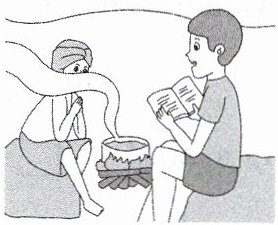
Jatto was the best reader in his class,but he didn't always like reading to his mother. She spoke only Esan,one of the languages in Nigeria. Wasn't it a waste of time to read to someone who couldn't understand?
"Never."
His mother emptied the nuts into a tray(盘子). "Let's bottle these when you finish reading," she said. Jatto shook(摇)his head. "I'll never finish reading."
He said "never" in English because there was no word for never in Esan.
"What's 'never'?" she asked.
"It means I won't stop reading today,tomorrow,or the day after."
"Oh,OK! That's forever," his mother said.
"Mama,why do you make me read to you even though you don't understand?"
"I want you to practise speaking English often because I can't speak it with you," she said.
"I can practise English in my head," he said.
His mother smiled. "We should share our stories aloud with others,not in our heads where no one can hear them."
"I made a lot of mistakes when I read to you."
His mother laughed,"I guessed so. But I like hearing the sound of your voice when I work."
"I have an idea," he said. "Next time,I will read a story to you in English,then I will tell you the same story in Esan."
"Great! And I will tell you stories in Esan and you can say them back to me in English. Let's 'never' stop sharing stories."
1. Why did Jatto's mother want him to read to her?
A. Because she could learn English with Jatto.
B. Because she liked listening to Jatto's stories.
C. Because she wanted to help Jatto practise speaking.
D. Because she hoped to find out the mistakes in Jatto's stories.
2. What do you think of Jatto?
A. Helpful and shy.
B. Kind and creative.
C. Brave and careful.
D. Clever and able.
3. What can we infer from the story?
A. Few schools in Jatto's hometown taught English.
B. Jatto was best at speaking English in his class.
C. Jatto's mother asked him to read to her every day.
D. Jatto's mother cared much about his study.
4. Which can be the best title?
A. The Meaning of Never
B. The Learning of English
C. The Importance of Reading
D. The Love of a Mother
Jatto was the best reader in his class,but he didn't always like reading to his mother. She spoke only Esan,one of the languages in Nigeria. Wasn't it a waste of time to read to someone who couldn't understand?
"Never."
His mother emptied the nuts into a tray(盘子). "Let's bottle these when you finish reading," she said. Jatto shook(摇)his head. "I'll never finish reading."
He said "never" in English because there was no word for never in Esan.
"What's 'never'?" she asked.
"It means I won't stop reading today,tomorrow,or the day after."
"Oh,OK! That's forever," his mother said.
"Mama,why do you make me read to you even though you don't understand?"
"I want you to practise speaking English often because I can't speak it with you," she said.
"I can practise English in my head," he said.
His mother smiled. "We should share our stories aloud with others,not in our heads where no one can hear them."
"I made a lot of mistakes when I read to you."
His mother laughed,"I guessed so. But I like hearing the sound of your voice when I work."
"I have an idea," he said. "Next time,I will read a story to you in English,then I will tell you the same story in Esan."
"Great! And I will tell you stories in Esan and you can say them back to me in English. Let's 'never' stop sharing stories."
1. Why did Jatto's mother want him to read to her?
A. Because she could learn English with Jatto.
B. Because she liked listening to Jatto's stories.
C. Because she wanted to help Jatto practise speaking.
D. Because she hoped to find out the mistakes in Jatto's stories.
2. What do you think of Jatto?
A. Helpful and shy.
B. Kind and creative.
C. Brave and careful.
D. Clever and able.
3. What can we infer from the story?
A. Few schools in Jatto's hometown taught English.
B. Jatto was best at speaking English in his class.
C. Jatto's mother asked him to read to her every day.
D. Jatto's mother cared much about his study.
4. Which can be the best title?
A. The Meaning of Never
B. The Learning of English
C. The Importance of Reading
D. The Love of a Mother
答案
【文章大意】本文是一篇记叙文,主要讲述 Jatto 的母亲虽然不懂英语,但坚持让他朗读英文故事,以此帮助他练习口语,并最终达成双语互讲故事的温馨约定,体现了母爱的智慧与关怀。
1. C 细节理解题。根据“I want you to practise speaking English often because I can't speak it with you”可知,母亲的目的是帮助 Jatto 练习口语。故选 C。
2. B 推理判断题。根据 Jatto 提出双语互讲故事的方案“I will read a story to you in English, then I will tell you the same story in Esan”可知,他很有创造性,而且他为了让妈妈明白故事内容,还愿意翻译成母亲能懂的语言,说明他很善良。故选 B。
3. D 推理判断题。母亲主动要求 Jatto 朗读并设计学习方式,说明她对孩子的学习非常重视。根据全文互动细节可推知 D 项正确,其他选项均无直接依据。故选 D。
4. D 标题归纳题。全文核心是母亲通过独特方式支持孩子学习,如“Let's 'never' stop sharing stories.”强调母亲的爱的行动。D 选项“母爱”最能概括主题。故选 D。
解析
【分析】
本题为英语阅读理解题,包含细节理解、推理判断、标题归纳三类题型。解题思路为:1. 细节题需定位原文对应句子,直接匹配答案;2. 推理题需结合人物言行分析性格或隐含信息;3. 标题题需提炼全文核心主题。
【解析】
1. 细节理解题:定位原文母亲的话“I want you to practise speaking English often because I can't speak it with you”,可知母亲让Jatto读书是为了帮他练习口语,对应选项C。
2. 推理判断题:Jatto提出“用英语读故事再用Esan语讲给母亲”的方案,既体现为母亲着想的善良,又展现了有创意的解决思路,对应选项B。
3. 推理判断题:母亲主动要求Jatto朗读,还设计双语互动的学习方式,说明她非常关心孩子的学习,对应选项D。
4. 标题归纳题:全文核心是母亲用独特方式支持孩子学习,围绕“母爱”展开,对应选项D。
【答案】
1.C 2.B 3.D 4.D
【知识点】
阅读理解细节题、推理判断题、标题归纳题
【点评】
本文通过母子间温馨的互动故事,考查学生对不同类型阅读题的解题能力,引导学生体会亲情与教育智慧,整体难度适中。
【难度系数】
0.6
