

 登录
登录
一、根据语境,从方框中选择恰当的单词并用其正确形式填空。
$\{\begin{array}{l}\mathrm{hug, curry, rude, fork, Indian}\end{array} $
1. 新课标 文化差异 In many Western countries, it is
2. My
3. In many South Asian countries,
4. In India, people prefer to eat with their right hands instead of using
5. They
$\{\begin{array}{l}\mathrm{hug, curry, rude, fork, Indian}\end{array} $
1. 新课标 文化差异 In many Western countries, it is
rude
to talk with your mouth full of food during a meal.2. My
Indian
friend told me that respecting elders is very important in India.3. In many South Asian countries,
curry
is often served with rice or bread.4. In India, people prefer to eat with their right hands instead of using
forks
.5. They
hugged
each other warmly as soon as they met at the airport.答案
1. rude 2. Indian 3. curry 4. forks 5. hugged
解析
【分析】
本题为选词填空题,需先明确方框内单词的词义与词性:hug(拥抱,动词/名词)、curry(咖喱,名词)、rude(粗鲁的,形容词)、fork(叉子,名词)、Indian(印度的;印度人/语,形容词/名词)。再结合每个句子的语境、固定结构及语法规则(词性、单复数、时态)逐一分析填空:
1. 需形容词作表语,结合语境判断含义;
2. 需形容词修饰名词,结合后文“India”确定;
3. 需名词作主语,结合南亚饮食文化确定;
4. 需名词复数,结合“不用叉子”的泛指用法确定;
5. 需动词过去式,结合时态(met)确定。
【解析】
1. 句意为:在许多西方国家,吃饭时嘴里含着食物说话是粗鲁的。固定结构“it is + adj + to do sth.”中需形容词,rude(粗鲁的)符合语境,故填rude。
2. 句意为:我的印度朋友告诉我在印度尊重长辈很重要。此处需形容词修饰名词friend,Indian(印度的)符合语境,故填Indian。
3. 句意为:在许多南亚国家,咖喱常和米饭或面包一起供应。curry(咖喱)为不可数名词,此处作主语,用原形,故填curry。
4. 句意为:在印度,人们喜欢用右手吃饭而不是用叉子。fork为可数名词,此处泛指叉子这类工具,需用复数形式,故填forks。
5. 句意为:他们在机场一见面就热情地拥抱彼此。由句中“met”可知时态为一般过去时,hug的过去式为hugged,故填hugged。
【答案】
1. rude 2. Indian 3. curry 4. forks 5. hugged
【知识点】
形容词的用法、名词单复数、动词过去式
【点评】
本题考查选词填空,结合语境、词性及语法规则填空,涉及基础词汇与常用语法,难度较低,适合巩固基础知识。
【难度系数】
0.8
本题为选词填空题,需先明确方框内单词的词义与词性:hug(拥抱,动词/名词)、curry(咖喱,名词)、rude(粗鲁的,形容词)、fork(叉子,名词)、Indian(印度的;印度人/语,形容词/名词)。再结合每个句子的语境、固定结构及语法规则(词性、单复数、时态)逐一分析填空:
1. 需形容词作表语,结合语境判断含义;
2. 需形容词修饰名词,结合后文“India”确定;
3. 需名词作主语,结合南亚饮食文化确定;
4. 需名词复数,结合“不用叉子”的泛指用法确定;
5. 需动词过去式,结合时态(met)确定。
【解析】
1. 句意为:在许多西方国家,吃饭时嘴里含着食物说话是粗鲁的。固定结构“it is + adj + to do sth.”中需形容词,rude(粗鲁的)符合语境,故填rude。
2. 句意为:我的印度朋友告诉我在印度尊重长辈很重要。此处需形容词修饰名词friend,Indian(印度的)符合语境,故填Indian。
3. 句意为:在许多南亚国家,咖喱常和米饭或面包一起供应。curry(咖喱)为不可数名词,此处作主语,用原形,故填curry。
4. 句意为:在印度,人们喜欢用右手吃饭而不是用叉子。fork为可数名词,此处泛指叉子这类工具,需用复数形式,故填forks。
5. 句意为:他们在机场一见面就热情地拥抱彼此。由句中“met”可知时态为一般过去时,hug的过去式为hugged,故填hugged。
【答案】
1. rude 2. Indian 3. curry 4. forks 5. hugged
【知识点】
形容词的用法、名词单复数、动词过去式
【点评】
本题考查选词填空,结合语境、词性及语法规则填空,涉及基础词汇与常用语法,难度较低,适合巩固基础知识。
【难度系数】
0.8
二、根据语境,用括号内所给单词的正确形式填空。
1. When they met for the first time, they
2. I felt
3. It is
4. The little boy was
5. In Japan, it's common to greet others by

1. When they met for the first time, they
shook
(shake) hands politely.2. I felt
confused
(confuse) about the cultural differences in many countries.3. It is
uncommon
(common) to see snow during summer.4. The little boy was
embarrassed
(embarrass) when he dropped his fork during the formal dinner.5. In Japan, it's common to greet others by
bowing
(bow).答案
1. shook 2. confused 3. uncommon 4. embarrassed 5. bowing
解析
【分析】
本题为英语语法填空题,需结合句子语境、时态规则、词性变化及固定搭配来填写单词的正确形式。第1题根据过去时态标志确定动词形式;第2题根据系动词后接形容词的规则,结合主语是人选择合适的形容词;第3题根据句意判断需用common的反义词;第4题根据主语是人选择修饰人的形容词;第5题根据介词后接动名词的规则确定形式。
【解析】
1. 句中“met”为过去式,表明动作发生在过去,动词shake的过去式是shook,故填shook;
2. feel是系动词,后接形容词,主语是表示人的“I”,confuse对应的修饰人的形容词是confused,故填confused;
3. 句意“夏天看到雪是不常见的”,需用common的反义词uncommon,故填uncommon;
4. 主语是表示人的“the little boy”,需用修饰人的形容词embarrassed,故填embarrassed;
5. by是介词,后接动词的动名词形式,bow的动名词是bowing,故填bowing。
【答案】
1. shook 2. confused 3. uncommon 4. embarrassed 5. bowing
【知识点】
一般过去时、形容词用法、词性转换
【点评】
本题考查英语基础语法,涵盖时态、形容词形式、介词搭配等知识点,属于初中阶段基础题型,侧重对核心语法的应用。
【难度系数】
0.6
本题为英语语法填空题,需结合句子语境、时态规则、词性变化及固定搭配来填写单词的正确形式。第1题根据过去时态标志确定动词形式;第2题根据系动词后接形容词的规则,结合主语是人选择合适的形容词;第3题根据句意判断需用common的反义词;第4题根据主语是人选择修饰人的形容词;第5题根据介词后接动名词的规则确定形式。
【解析】
1. 句中“met”为过去式,表明动作发生在过去,动词shake的过去式是shook,故填shook;
2. feel是系动词,后接形容词,主语是表示人的“I”,confuse对应的修饰人的形容词是confused,故填confused;
3. 句意“夏天看到雪是不常见的”,需用common的反义词uncommon,故填uncommon;
4. 主语是表示人的“the little boy”,需用修饰人的形容词embarrassed,故填embarrassed;
5. by是介词,后接动词的动名词形式,bow的动名词是bowing,故填bowing。
【答案】
1. shook 2. confused 3. uncommon 4. embarrassed 5. bowing
【知识点】
一般过去时、形容词用法、词性转换
【点评】
本题考查英语基础语法,涵盖时态、形容词形式、介词搭配等知识点,属于初中阶段基础题型,侧重对核心语法的应用。
【难度系数】
0.6
三、根据汉语意思完成句子,每空一词。
1. 队友们赢了篮球比赛后碰拳庆祝。
The teammates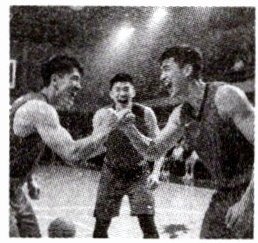
2. 毛利人有时会通过摩擦鼻子来问候彼此。
Maori people sometimes greet each other by
3. 新课标 人际交往 在西班牙,朋友们见面时亲吻脸颊是很常见的。
In Spain, it's common for friends to
4. 在泰国,人们会双手合十表示尊重。
In Thailand, people
5. 穿T恤衫参加这个会议不够正式。
Wearing a T-shirt is not
1. 队友们赢了篮球比赛后碰拳庆祝。
The teammates
bumped
fists
to celebrate after they won the basketball game. 2. 毛利人有时会通过摩擦鼻子来问候彼此。
Maori people sometimes greet each other by
rubbing
noses
.3. 新课标 人际交往 在西班牙,朋友们见面时亲吻脸颊是很常见的。
In Spain, it's common for friends to
kiss
on
the
cheek
when they meet.4. 在泰国,人们会双手合十表示尊重。
In Thailand, people
press
their
palms
together
to show respect.5. 穿T恤衫参加这个会议不够正式。
Wearing a T-shirt is not
formal
enough
for this important meeting.答案
1. bumped fists 2. rubbing noses 3. kiss on the cheek 4. press their palms together 5. formal enough
解析
【分析】本题为根据汉语意思补全英语句子的题型,需结合日常交际相关的英语固定短语、介词用法及形容词的位置规则解题,每小题需对应汉语含义匹配正确英语表达,注意动词形式、时态及固定搭配。
【解析】1. “碰拳”的固定短语是bump fists,结合从句中won的一般过去时态,此处用过去式bumped,故填bumped fists;2. 介词by后需接动名词,“摩擦鼻子”是rub noses,动名词形式为rubbing,故填rubbing noses;3. “亲吻脸颊”的固定表达是kiss on the cheek;4. “双手合十”的固定短语是press their palms together;5. “足够正式”中enough修饰形容词需后置,故填formal enough。
【答案】1. bumped fists 2. rubbing noses 3. kiss on the cheek 4. press their palms together 5. formal enough
【知识点】动词短语、介词用法、形容词位置
【点评】本题考查日常交际类英语短语的运用,属于基础题型,需学生积累相关固定搭配,难度适中。
【难度系数】0.7
【解析】1. “碰拳”的固定短语是bump fists,结合从句中won的一般过去时态,此处用过去式bumped,故填bumped fists;2. 介词by后需接动名词,“摩擦鼻子”是rub noses,动名词形式为rubbing,故填rubbing noses;3. “亲吻脸颊”的固定表达是kiss on the cheek;4. “双手合十”的固定短语是press their palms together;5. “足够正式”中enough修饰形容词需后置,故填formal enough。
【答案】1. bumped fists 2. rubbing noses 3. kiss on the cheek 4. press their palms together 5. formal enough
【知识点】动词短语、介词用法、形容词位置
【点评】本题考查日常交际类英语短语的运用,属于基础题型,需学生积累相关固定搭配,难度适中。
【难度系数】0.7
