

 登录
登录
一、根据语境,从方框中选择恰当的单词并用其正确形式填空。
$\{\begin{array}{l}\mathrm{t}\mathrm{e}\mathrm{s}\mathrm{t},\;\mathrm{f}\mathrm{l}\mathrm{u},\;\mathrm{m}\mathrm{e}\mathrm{d}\mathrm{i}\mathrm{c}\mathrm{i}\mathrm{n}\mathrm{e},\;\mathrm{m}\mathrm{a}\mathrm{s}\mathrm{k},\;\mathrm{v}\mathrm{i}\mathrm{r}\mathrm{u}\mathrm{s},\;\mathrm{p}\mathrm{a}\mathrm{t}\mathrm{i}\mathrm{e}\mathrm{n}\mathrm{t}\end{array}\}$
1. It's a good way to avoid
2. It's important to wear a
3. In winter, many people catch the
4. It's important to be
5. You should take some
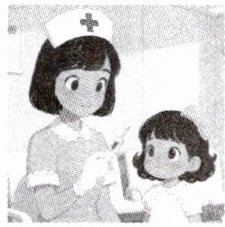
6. The nurse
$\{\begin{array}{l}\mathrm{t}\mathrm{e}\mathrm{s}\mathrm{t},\;\mathrm{f}\mathrm{l}\mathrm{u},\;\mathrm{m}\mathrm{e}\mathrm{d}\mathrm{i}\mathrm{c}\mathrm{i}\mathrm{n}\mathrm{e},\;\mathrm{m}\mathrm{a}\mathrm{s}\mathrm{k},\;\mathrm{v}\mathrm{i}\mathrm{r}\mathrm{u}\mathrm{s},\;\mathrm{p}\mathrm{a}\mathrm{t}\mathrm{i}\mathrm{e}\mathrm{n}\mathrm{t}\end{array}\}$
1. It's a good way to avoid
viruses
by washing hands carefully.2. It's important to wear a
mask
when taking care of a patient.3. In winter, many people catch the
flu
and stay in bed.4. It's important to be
patient
with yourself when learning a new skill.5. You should take some
medicine
when you feel sick.6. The nurse
tested
the girl's temperature and asked her to lie down.答案
1. viruses 2. mask 3. flu 4. patient 5. medicine 6. tested
解析
【分析】
本题要求根据语境从方框中选词并用正确形式填空,需先理解每个句子的句意,结合方框内单词的词义,再根据语法规则(如名词单复数、动词时态、固定搭配等)确定单词的正确形式:
1. 句意为“仔细洗手是避免________的好方法”,avoid后接名词,此处表泛指“病毒”,需用复数形式;
2. 句意为“照顾病人时戴________很重要”,a后接单数名词,结合语境选“口罩”;
3. 句意为“冬天很多人得________卧床”,固定搭配catch the flu(得流感)符合语境;
4. 句意为“学习新技能时对自己要________”,固定搭配be patient with(对……有耐心)符合;
5. 句意为“生病时吃________”,固定搭配take some medicine(吃药)符合;
6. 句意为“护士________女孩的体温并让她躺下”,由asked可知时态为一般过去时,需用动词过去式。
【解析】
1. avoid后接名词,此处表泛指“病毒”,故填viruses;
2. a后接单数可数名词,结合语境“照顾病人戴口罩”,故填mask;
3. 固定搭配catch the flu表示“得流感”,符合句意,故填flu;
4. 固定搭配be patient with表示“对……有耐心”,符合句意,故填patient;
5. 固定搭配take some medicine表示“吃药”,符合句意,故填medicine;
6. 由asked可知用一般过去时,test的过去式为tested,故填tested。
【答案】
1. viruses 2. mask 3. flu 4. patient 5. medicine 6. tested
【知识点】
名词的数;固定搭配;动词时态
【点评】
本题考查词汇在具体语境中的运用,需掌握方框内单词的词义,熟悉常见固定搭配及基础语法规则,难度适中,适合基础阶段学生巩固词汇运用能力。
【难度系数】
0.5
本题要求根据语境从方框中选词并用正确形式填空,需先理解每个句子的句意,结合方框内单词的词义,再根据语法规则(如名词单复数、动词时态、固定搭配等)确定单词的正确形式:
1. 句意为“仔细洗手是避免________的好方法”,avoid后接名词,此处表泛指“病毒”,需用复数形式;
2. 句意为“照顾病人时戴________很重要”,a后接单数名词,结合语境选“口罩”;
3. 句意为“冬天很多人得________卧床”,固定搭配catch the flu(得流感)符合语境;
4. 句意为“学习新技能时对自己要________”,固定搭配be patient with(对……有耐心)符合;
5. 句意为“生病时吃________”,固定搭配take some medicine(吃药)符合;
6. 句意为“护士________女孩的体温并让她躺下”,由asked可知时态为一般过去时,需用动词过去式。
【解析】
1. avoid后接名词,此处表泛指“病毒”,故填viruses;
2. a后接单数可数名词,结合语境“照顾病人戴口罩”,故填mask;
3. 固定搭配catch the flu表示“得流感”,符合句意,故填flu;
4. 固定搭配be patient with表示“对……有耐心”,符合句意,故填patient;
5. 固定搭配take some medicine表示“吃药”,符合句意,故填medicine;
6. 由asked可知用一般过去时,test的过去式为tested,故填tested。
【答案】
1. viruses 2. mask 3. flu 4. patient 5. medicine 6. tested
【知识点】
名词的数;固定搭配;动词时态
【点评】
本题考查词汇在具体语境中的运用,需掌握方框内单词的词义,熟悉常见固定搭配及基础语法规则,难度适中,适合基础阶段学生巩固词汇运用能力。
【难度系数】
0.5
二、根据语境,用括号内所给单词的正确形式填空。
1. The doctor gave me some good
2.新课标 交通安全 Helmets protect riders from head
3. The doctor asked for
4. Remember to take good care of
5.新课标 职业素养 The doctor often explains things
6. Eating fruit and vegetables can stop many
1. The doctor gave me some good
advice
(advise) on how to sleep better.2.
injuries
(injury). You must wear one when you ride your motorbikes.3. The doctor asked for
descriptions
(describe) of my problems.4. Remember to take good care of
yourself
(you) when you're sick.5.
patiently
to his patients
. (patient)6. Eating fruit and vegetables can stop many
illnesses
(ill).答案
1. advice 2. injuries 3. descriptions 4. yourself 5. patiently, patients 6. illnesses
解析
【分析】
本题考查英语词汇的词性转换、形式变化及名词单复数、反身代词等基础用法。解题时需先分析每个句子的成分,确定空缺处所需的词性或形式,再结合括号内单词的词性进行对应转换:1. 空缺处需名词作宾语;2. 空缺处需可数名词复数表泛指;3. 空缺处需名词作宾语且表复数概念;4. 空缺处需反身代词;5. 第一空需副词修饰动词,第二空需名词复数;6. 空缺处需名词且被many修饰用复数。
【解析】
1. 括号内advise是动词,意为“建议”,此处需名词作gave的宾语,advice为不可数名词,无复数形式,故填advice;
2. 括号内injury是可数名词,此处指头部的伤害,无单数限定词,需用复数形式,故填injuries;
3. 括号内describe是动词,意为“描述”,此处需名词作for的宾语,description为可数名词,此处表多个问题的描述,需用复数,故填descriptions;
4. 此处需反身代词作take care of的宾语,对应主语you,故填yourself;
5. 第一空修饰动词explains需用副词,括号内patient为形容词,转换为副词patiently;第二空指“他的病人”,patient为可数名词,此处表复数概念,故填patients;
6. 括号内ill为形容词,意为“生病的”,此处需名词作stop的宾语,illness为可数名词,many后接可数名词复数,故填illnesses。
【答案】
1. advice 2. injuries 3. descriptions 4. yourself 5. patiently, patients 6. illnesses
【知识点】
词性转换、名词单复数、反身代词
【点评】
本题为初中英语基础词汇运用题,聚焦常见词的词性转换(动词变名词、形容词变副词)、反身代词用法及可数名词复数规则,是核心基础考点,需学生熟练掌握词汇的不同形式及语境运用。
【难度系数】
0.6
本题考查英语词汇的词性转换、形式变化及名词单复数、反身代词等基础用法。解题时需先分析每个句子的成分,确定空缺处所需的词性或形式,再结合括号内单词的词性进行对应转换:1. 空缺处需名词作宾语;2. 空缺处需可数名词复数表泛指;3. 空缺处需名词作宾语且表复数概念;4. 空缺处需反身代词;5. 第一空需副词修饰动词,第二空需名词复数;6. 空缺处需名词且被many修饰用复数。
【解析】
1. 括号内advise是动词,意为“建议”,此处需名词作gave的宾语,advice为不可数名词,无复数形式,故填advice;
2. 括号内injury是可数名词,此处指头部的伤害,无单数限定词,需用复数形式,故填injuries;
3. 括号内describe是动词,意为“描述”,此处需名词作for的宾语,description为可数名词,此处表多个问题的描述,需用复数,故填descriptions;
4. 此处需反身代词作take care of的宾语,对应主语you,故填yourself;
5. 第一空修饰动词explains需用副词,括号内patient为形容词,转换为副词patiently;第二空指“他的病人”,patient为可数名词,此处表复数概念,故填patients;
6. 括号内ill为形容词,意为“生病的”,此处需名词作stop的宾语,illness为可数名词,many后接可数名词复数,故填illnesses。
【答案】
1. advice 2. injuries 3. descriptions 4. yourself 5. patiently, patients 6. illnesses
【知识点】
词性转换、名词单复数、反身代词
【点评】
本题为初中英语基础词汇运用题,聚焦常见词的词性转换(动词变名词、形容词变副词)、反身代词用法及可数名词复数规则,是核心基础考点,需学生熟练掌握词汇的不同形式及语境运用。
【难度系数】
0.6
三、根据汉语意思完成句子,每空一词。
1. 请坐下等候医生。
Please
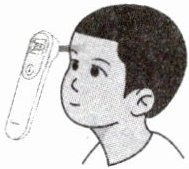
2. 如果发烧的话,你应该量一下体温。
You should
3. 新课标 健康习惯 每天刷两次牙能防止我们牙疼。
Brushing teeth twice a day can
4. 你努力学习时,光明的未来就掌握在自己手中。
Your bright future is
5. 我没有什么力气,所以下不了床。
I don't have much energy, so I can't
6. 生病的时候,我们应该待在家,避免把疾病传给其他人。
We should stay at home when sick to avoid
1. 请坐下等候医生。
Please
take
a
seat
and wait for the doctor.2. 如果发烧的话,你应该量一下体温。
You should
take
your
temperature
if you have a fever.3. 新课标 健康习惯 每天刷两次牙能防止我们牙疼。
Brushing teeth twice a day can
stop
us from
getting toothaches.4. 你努力学习时,光明的未来就掌握在自己手中。
Your bright future is
in
your
hands
when you study hard.5. 我没有什么力气,所以下不了床。
I don't have much energy, so I can't
get
out of
bed.6. 生病的时候,我们应该待在家,避免把疾病传给其他人。
We should stay at home when sick to avoid
passing
illnesses to
others.答案
1. take a seat 2. take your temperature 3. stop, from 4. in your hands 5. get out of 6. passing, to
解析
【分析】本题为根据汉语意思完成英语句子的题型,解题时需先明确每个句子的汉语含义,再结合英语常用固定短语、动词搭配及语法规则(如情态动词后接动词原形、avoid后接动名词等),匹配对应的英语表达,确保每空一词符合要求。
【解析】1. 汉语“坐下”对应固定短语take a seat,please后接动词原形,故填take a seat;2. “量体温”的固定表达为take one's temperature,主语为you,故填take your temperature;3. “防止某人做某事”是固定搭配stop sb from doing sth,情态动词can后接动词原形,故填stop, from;4. “在某人手中”的表达为in one's hands,对应主语your,故填in your hands;5. “下床”的固定短语是get out of,情态动词can't后接动词原形,故填get out of;6. “把某物传给某人”为pass sth to sb,avoid后接动名词,故填passing, to。
【答案】1. take a seat 2. take your temperature 3. stop, from 4. in your hands 5. get out of 6. passing, to
【知识点】英语固定短语、动词搭配、介词用法
【点评】本题围绕日常健康、生活相关的英语表达,考查常用固定短语的运用,属于初中英语基础题型,需学生牢记常见交际短语及动词形式变化规则。
【难度系数】0.6
【解析】1. 汉语“坐下”对应固定短语take a seat,please后接动词原形,故填take a seat;2. “量体温”的固定表达为take one's temperature,主语为you,故填take your temperature;3. “防止某人做某事”是固定搭配stop sb from doing sth,情态动词can后接动词原形,故填stop, from;4. “在某人手中”的表达为in one's hands,对应主语your,故填in your hands;5. “下床”的固定短语是get out of,情态动词can't后接动词原形,故填get out of;6. “把某物传给某人”为pass sth to sb,avoid后接动名词,故填passing, to。
【答案】1. take a seat 2. take your temperature 3. stop, from 4. in your hands 5. get out of 6. passing, to
【知识点】英语固定短语、动词搭配、介词用法
【点评】本题围绕日常健康、生活相关的英语表达,考查常用固定短语的运用,属于初中英语基础题型,需学生牢记常见交际短语及动词形式变化规则。
【难度系数】0.6
