

 登录
登录
一、阅读理解
Recently, an article titled “Chinese Characters Whose Pronunciations Have Changed” has caused a heated debate online. It’s said that some pronunciations, which were considered to have been misread before, are now correct. They even include the characters in some famous sentences from ancient poems. One example is by Du Mu from the Tang Dynasty “Up a long path amid the rocks I climb so high, there are houses in the clouds of white”. About the changes, different people have different ideas.
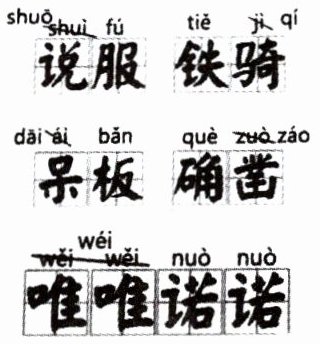
Many internet users disagreed with the changes. They argued that changing pronunciations would change the rhyme (韵律) of the sentences in poems, destroying the beauty of Chinese literature. However, supporters of the change said, “This is how language improves, and the pronunciations should meet the needs of society, instead of remaining in the past.”
A spokesperson from the Ministry of Education explained that most of the so - called “new” pronunciations have not yet been confirmed (确认). But according to the fifth and sixth editions (版本) of the Modern Chinese Dictionary, quite a few *pinyin* spellings have already been changed, such as “呆板 (from ái to dāi)” and 确凿 (from zuò to záo). So, Professor Zhang Yiwu from Peking University told China Daily that pronunciation changes are normal and necessary as language changes and they will not destroy traditional culture.
(
A. Many false pronunciations in Chinese.
B. Some famous sentences in ancient poems.
C. Some misread pronunciations are right now.
D. Chinese characters can change their meanings in the same contexts.
(
A. 黄河远上白云间,一片孤城万仞山。
B. 远上寒山石径斜,白云生处有人家。
C. 两岸青山相对出,孤帆一片日边来。
D. 曲径通幽处,禅房花木深。
(
A. Because they want to make a new language.
B. Because they think the old language should be replaced.
C. Because they think the language should fit the needs of society.
D. Because they can’t understand many ancient poems.
(
A. He supports the changes.
B. He disagrees with the changes.
C. He doesn’t give any clear opinions.
D. He worries about the changes.
(
A. The history of Chinese *pinyin*.
B. Poems and Chinese characters.
C. The way to change Chinese *pinyin*.
D. Changes in Chinese *pinyin*.
Recently, an article titled “Chinese Characters Whose Pronunciations Have Changed” has caused a heated debate online. It’s said that some pronunciations, which were considered to have been misread before, are now correct. They even include the characters in some famous sentences from ancient poems. One example is by Du Mu from the Tang Dynasty “Up a long path amid the rocks I climb so high, there are houses in the clouds of white”. About the changes, different people have different ideas.
Many internet users disagreed with the changes. They argued that changing pronunciations would change the rhyme (韵律) of the sentences in poems, destroying the beauty of Chinese literature. However, supporters of the change said, “This is how language improves, and the pronunciations should meet the needs of society, instead of remaining in the past.”
A spokesperson from the Ministry of Education explained that most of the so - called “new” pronunciations have not yet been confirmed (确认). But according to the fifth and sixth editions (版本) of the Modern Chinese Dictionary, quite a few *pinyin* spellings have already been changed, such as “呆板 (from ái to dāi)” and 确凿 (from zuò to záo). So, Professor Zhang Yiwu from Peking University told China Daily that pronunciation changes are normal and necessary as language changes and they will not destroy traditional culture.
(
C
)1. What can we learn from Paragraph 1?A. Many false pronunciations in Chinese.
B. Some famous sentences in ancient poems.
C. Some misread pronunciations are right now.
D. Chinese characters can change their meanings in the same contexts.
(
B
)2. Which is the proper meaning of the underlined poem in the passage?A. 黄河远上白云间,一片孤城万仞山。
B. 远上寒山石径斜,白云生处有人家。
C. 两岸青山相对出,孤帆一片日边来。
D. 曲径通幽处,禅房花木深。
(
C
)3. Why do some people support the pronunciation changes?A. Because they want to make a new language.
B. Because they think the old language should be replaced.
C. Because they think the language should fit the needs of society.
D. Because they can’t understand many ancient poems.
(
A
)4. According to the last paragraph, what is Zhang Yiwu’s attitude to the changes?A. He supports the changes.
B. He disagrees with the changes.
C. He doesn’t give any clear opinions.
D. He worries about the changes.
(
D
)5. What’s the passage mainly about?A. The history of Chinese *pinyin*.
B. Poems and Chinese characters.
C. The way to change Chinese *pinyin*.
D. Changes in Chinese *pinyin*.
答案
【文章大意】本文是一篇新闻报道,介绍了网上一篇名为《发音发生变化的汉字》的文章登上热搜,及其引起的一些讨论。
1. C 细节理解题。根据“It's said that some pronunciations, which were considered to have been misread before, are now correct.”可知,一些原本被认为是读错的拼音现在被认为是正确的,故选 C。
2. B 句意猜测题。根据“Up a long path amid the rocks I climb so high, there are houses in the clouds of white”以及常识可知,翻译对应唐代杜牧的“远上寒山石径斜,白云生处有人家”,故选 B。
3. C 细节理解题。根据“This is how language improves, and the pronunciations should meet the needs of society, instead of remaining in the past.”可知,支持语言发音改变的人认为“语言应符合社会需求,而不是停留在过去”,故选 C。
4. A 观点态度题。根据“So, Professor Zhang Yiwu from Peking University told China Daily that pronunciation changes are normal and necessary as language changes and they will not destroy traditional culture.”可知,张颐武教授认为语言逐步改变是正常和必要的,体现支持态度,故选 A。
5. D 主旨大意题。根据“Recently, an article titled ‘Chinese Characters Whose Pronunciations Have Changed’ has caused a heated debate online.”可知,文章核心讲述了关于汉语拼音发音变化的问题,主要内容是“汉语拼音的变化”,故选 D。
1. C 细节理解题。根据“It's said that some pronunciations, which were considered to have been misread before, are now correct.”可知,一些原本被认为是读错的拼音现在被认为是正确的,故选 C。
2. B 句意猜测题。根据“Up a long path amid the rocks I climb so high, there are houses in the clouds of white”以及常识可知,翻译对应唐代杜牧的“远上寒山石径斜,白云生处有人家”,故选 B。
3. C 细节理解题。根据“This is how language improves, and the pronunciations should meet the needs of society, instead of remaining in the past.”可知,支持语言发音改变的人认为“语言应符合社会需求,而不是停留在过去”,故选 C。
4. A 观点态度题。根据“So, Professor Zhang Yiwu from Peking University told China Daily that pronunciation changes are normal and necessary as language changes and they will not destroy traditional culture.”可知,张颐武教授认为语言逐步改变是正常和必要的,体现支持态度,故选 A。
5. D 主旨大意题。根据“Recently, an article titled ‘Chinese Characters Whose Pronunciations Have Changed’ has caused a heated debate online.”可知,文章核心讲述了关于汉语拼音发音变化的问题,主要内容是“汉语拼音的变化”,故选 D。
解析
【分析】
这是一篇围绕汉字发音变化展开的阅读理解题,需针对不同题型采用对应解题思路:
1. 第1题是细节理解题,需定位到第一段,找到描述发音变化的关键语句,对比选项匹配正确信息;
2. 第2题是句意猜测题,要结合给出的英文诗句翻译,联系所学古诗常识,匹配对应的中文诗句;
3. 第3题是细节理解题,需找到文中支持者的观点表述,提取核心内容对应选项;
4. 第4题是观点态度题,要分析张颐武教授的发言内容,判断其对发音变化的态度;
5. 第5题是主旨大意题,需抓住文章开头的主题句,梳理全文围绕“汉字发音变化”展开的讨论,确定核心主旨。
【解析】
1. 细节理解题:根据第一段中“It's said that some pronunciations, which were considered to have been misread before, are now correct.”可知,一些原本被认为读错的发音现在是正确的,对应选项C。
2. 句意猜测题:文中给出的英文诗句“Up a long path amid the rocks I climb so high, there are houses in the clouds of white”,结合古诗常识,对应唐代杜牧《山行》中的“远上寒山石径斜,白云生处有人家”,对应选项B。
3. 细节理解题:根据第二段支持者的表述“This is how language improves, and the pronunciations should meet the needs of society, instead of remaining in the past.”可知,支持者认为语言发音应符合社会需求,对应选项C。
4. 观点态度题:根据最后一段张颐武教授的发言“pronunciation changes are normal and necessary as language changes and they will not destroy traditional culture”可知,他认为发音变化是正常且必要的,持支持态度,对应选项A。
5. 主旨大意题:文章开篇以一篇关于“发音变化的汉字”的文章引发热议引入,随后围绕发音变化的不同观点、官方解释展开,核心内容是汉语拼音的变化,对应选项D。
【答案】
1.C;2.B;3.C;4.A;5.D
【知识点】
细节理解题解法、句意猜测方法、主旨大意归纳
【点评】
本文结合社会热点话题,考查了阅读理解的多种常见题型,既需要学生精准定位原文细节,又要求结合常识进行判断,有助于提升学生的信息提取和综合分析能力。
【难度系数】
0.6
这是一篇围绕汉字发音变化展开的阅读理解题,需针对不同题型采用对应解题思路:
1. 第1题是细节理解题,需定位到第一段,找到描述发音变化的关键语句,对比选项匹配正确信息;
2. 第2题是句意猜测题,要结合给出的英文诗句翻译,联系所学古诗常识,匹配对应的中文诗句;
3. 第3题是细节理解题,需找到文中支持者的观点表述,提取核心内容对应选项;
4. 第4题是观点态度题,要分析张颐武教授的发言内容,判断其对发音变化的态度;
5. 第5题是主旨大意题,需抓住文章开头的主题句,梳理全文围绕“汉字发音变化”展开的讨论,确定核心主旨。
【解析】
1. 细节理解题:根据第一段中“It's said that some pronunciations, which were considered to have been misread before, are now correct.”可知,一些原本被认为读错的发音现在是正确的,对应选项C。
2. 句意猜测题:文中给出的英文诗句“Up a long path amid the rocks I climb so high, there are houses in the clouds of white”,结合古诗常识,对应唐代杜牧《山行》中的“远上寒山石径斜,白云生处有人家”,对应选项B。
3. 细节理解题:根据第二段支持者的表述“This is how language improves, and the pronunciations should meet the needs of society, instead of remaining in the past.”可知,支持者认为语言发音应符合社会需求,对应选项C。
4. 观点态度题:根据最后一段张颐武教授的发言“pronunciation changes are normal and necessary as language changes and they will not destroy traditional culture”可知,他认为发音变化是正常且必要的,持支持态度,对应选项A。
5. 主旨大意题:文章开篇以一篇关于“发音变化的汉字”的文章引发热议引入,随后围绕发音变化的不同观点、官方解释展开,核心内容是汉语拼音的变化,对应选项D。
【答案】
1.C;2.B;3.C;4.A;5.D
【知识点】
细节理解题解法、句意猜测方法、主旨大意归纳
【点评】
本文结合社会热点话题,考查了阅读理解的多种常见题型,既需要学生精准定位原文细节,又要求结合常识进行判断,有助于提升学生的信息提取和综合分析能力。
【难度系数】
0.6
