

 登录
登录
Ⅳ.完形填空。
Do you like eating dumplings? Dumplings, also known as jiaozi, have a long history and have become an important 1 of many people's lives.
According to the story, during the Eastern Han Dynasty, there lived a(n) 2 doctor of traditional Chinese medicine named Zhang Zhongjing.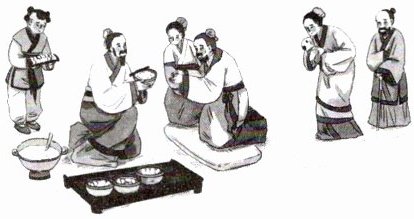
He 3 dumplings. About 1,800 years ago, Zhang Zhongjing 4 to his village after being absent for a long period. That was a really 5 winter. Lots of poor villagers didn't have enough clothes or food and they had frostbite(冻疮), mainly around their 6. After seeing their 7, Zhang decided to do something to help them.
He 8 meat, black pepper and some Chinese medicine, and then put them in the dumpling wrappers(饺子皮). He shaped the dumplings like ears and 9 them. Every sick person was given two "ears" along with a bowl of warm soup. After a few days, the frostbite was gone. Because of their 10, the dumplings were called "jiao'er", which meant "tender(娇嫩的) ears". From Winter Solstice to New Year's Eve, Zhang kept 11 the dumplings among all the villagers that were in need. From then on, most people began to 12 Zhang and make dumplings.
13 time went by, the shape of dumplings has also changed. Some dumplings look like gold and silver ingots(银锭) that were used as 14 in ancient China. So people believe eating them can bring wealth(财富). Families love to eat dumplings at the Spring Festival. Some of them 15 hide a clean coin inside a dumpling. It's said that the person that finds the coin will have good luck in the new year.
(
(
(
(
(
(
(
(
(
(
(
(
(
(
(
Do you like eating dumplings? Dumplings, also known as jiaozi, have a long history and have become an important 1 of many people's lives.
According to the story, during the Eastern Han Dynasty, there lived a(n) 2 doctor of traditional Chinese medicine named Zhang Zhongjing.
He 3 dumplings. About 1,800 years ago, Zhang Zhongjing 4 to his village after being absent for a long period. That was a really 5 winter. Lots of poor villagers didn't have enough clothes or food and they had frostbite(冻疮), mainly around their 6. After seeing their 7, Zhang decided to do something to help them.
He 8 meat, black pepper and some Chinese medicine, and then put them in the dumpling wrappers(饺子皮). He shaped the dumplings like ears and 9 them. Every sick person was given two "ears" along with a bowl of warm soup. After a few days, the frostbite was gone. Because of their 10, the dumplings were called "jiao'er", which meant "tender(娇嫩的) ears". From Winter Solstice to New Year's Eve, Zhang kept 11 the dumplings among all the villagers that were in need. From then on, most people began to 12 Zhang and make dumplings.
13 time went by, the shape of dumplings has also changed. Some dumplings look like gold and silver ingots(银锭) that were used as 14 in ancient China. So people believe eating them can bring wealth(财富). Families love to eat dumplings at the Spring Festival. Some of them 15 hide a clean coin inside a dumpling. It's said that the person that finds the coin will have good luck in the new year.
(
B
)1. A. symbol B. part C. mark D. treat(
A
)2. A. famous B. strange C. active D. patient(
A
)3. A. invented B. discovered C. ordered D. passed(
D
)4. A. led B. spread C. dreamed D. returned(
C
)5. A. dry B. clear C. cold D. short(
C
)6. A. legs B. faces C. ears D. hands(
A
)7. A. condition B. progress C. work D. research(
D
)8. A. made up B. put up C. took up D. cut up(
B
)9. A. showed B. cooked C. painted D. sold(
B
)10. A. colour B. shape C. taste D. smell(
C
)11. A. laying out B. finding out C. giving out D. watching out(
B
)12. A. change B. follow C. forget D. guess(
A
)13. A. As B. Since C. While D. If(
D
)14. A. food B. peace C. culture D. money(
D
)15. A. ever B. still C. again D. even答案
1.B 2.A 3.A 4.D 5.C 6.C 7.A 8.D 9.B 10.B
11.C 12.B 13.A 14.D 15.D
11.C 12.B 13.A 14.D 15.D
解析
【分析】
本题是围绕饺子起源与习俗展开的英语完形填空,解题思路为:先通读全文把握语篇主旨,再结合上下文语境、词义辨析、固定搭配及文化常识逐一分析每个空格,明确每个空所需的词性、语义及逻辑关系,从而选出正确选项。
【解析】
1. 句意:饺子是很多人生活的重要部分,part(部分)符合语境,选B;
2. 张仲景是著名的中医,famous(著名的)符合身份描述,选A;
3. 饺子是张仲景发明的,invented(发明)对应“创造新事物”的语义,选A;
4. 他离开很久后回到村庄,returned(返回)符合“回到某地”的语境,选D;
5. 描述冬天寒冷的特征,cold(寒冷的)符合后文村民生冻疮的背景,选C;
6. 结合后文“像耳朵”的描述,冻疮主要在耳朵,ears(耳朵)正确,选C;
7. 看到村民的状况后决定帮忙,condition(状况)符合语境,选A;
8. 切碎肉、黑胡椒等食材,cut up(切碎)对应动作,选D;
9. 制作饺子后要煮制,cooked(煮)符合流程,选B;
10. 饺子形状像耳朵,因此得名“jiao'er”,shape(形状)正确,选B;
11. 分发饺子给有需要的村民,giving out(分发)符合语义,选C;
12. 跟随张仲景学习并制作饺子,follow(跟随)符合逻辑,选B;
13. as time went by是固定搭配,意为“随着时间流逝”,选A;
14. 银锭是古代的货币,money(钱)符合属性,选D;
15. even表递进,意为“甚至”,符合“藏硬币”的语境,选D。
【答案】
1.B 2.A 3.A 4.D 5.C 6.C 7.A 8.D 9.B 10.B 11.C 12.B 13.A 14.D 15.D
【知识点】
英语完形填空、词汇辨析、语境理解
【点评】
本题以饺子的起源与习俗为话题,贴近生活,考查学生对语篇的理解能力及基础词汇、短语的运用能力,是初中英语常见的完形填空题型,难度适中。
【难度系数】
0.6
本题是围绕饺子起源与习俗展开的英语完形填空,解题思路为:先通读全文把握语篇主旨,再结合上下文语境、词义辨析、固定搭配及文化常识逐一分析每个空格,明确每个空所需的词性、语义及逻辑关系,从而选出正确选项。
【解析】
1. 句意:饺子是很多人生活的重要部分,part(部分)符合语境,选B;
2. 张仲景是著名的中医,famous(著名的)符合身份描述,选A;
3. 饺子是张仲景发明的,invented(发明)对应“创造新事物”的语义,选A;
4. 他离开很久后回到村庄,returned(返回)符合“回到某地”的语境,选D;
5. 描述冬天寒冷的特征,cold(寒冷的)符合后文村民生冻疮的背景,选C;
6. 结合后文“像耳朵”的描述,冻疮主要在耳朵,ears(耳朵)正确,选C;
7. 看到村民的状况后决定帮忙,condition(状况)符合语境,选A;
8. 切碎肉、黑胡椒等食材,cut up(切碎)对应动作,选D;
9. 制作饺子后要煮制,cooked(煮)符合流程,选B;
10. 饺子形状像耳朵,因此得名“jiao'er”,shape(形状)正确,选B;
11. 分发饺子给有需要的村民,giving out(分发)符合语义,选C;
12. 跟随张仲景学习并制作饺子,follow(跟随)符合逻辑,选B;
13. as time went by是固定搭配,意为“随着时间流逝”,选A;
14. 银锭是古代的货币,money(钱)符合属性,选D;
15. even表递进,意为“甚至”,符合“藏硬币”的语境,选D。
【答案】
1.B 2.A 3.A 4.D 5.C 6.C 7.A 8.D 9.B 10.B 11.C 12.B 13.A 14.D 15.D
【知识点】
英语完形填空、词汇辨析、语境理解
【点评】
本题以饺子的起源与习俗为话题,贴近生活,考查学生对语篇的理解能力及基础词汇、短语的运用能力,是初中英语常见的完形填空题型,难度适中。
【难度系数】
0.6
