

 登录
登录
四、根据常识和图片提示,从方框中选择合适的单词填在四线三格中。
nose eyes mouth hands ears
1. I can hear with my
2. I can talk with my
3. I can see with my
4. I can write with my
5. I haven't got a
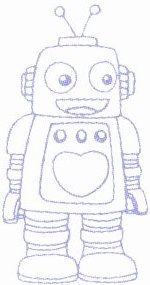
nose eyes mouth hands ears
1. I can hear with my
ears
.2. I can talk with my
mouth
.3. I can see with my
eyes
.4. I can write with my
hands
.5. I haven't got a
nose
. But I can smell.答案
1. ears 2. mouth 3. eyes 4. hands 5. nose
解析
【分析】这道题是根据句子语境和身体部位的功能,从给定的身体部位单词中选择合适的词填空。解题思路为:先理解每个句子的含义,再结合每个身体部位对应的生理功能,匹配对应的单词,保证语义通顺且符合常识。
【解析】1. 句意为“我用________听”,耳朵(ears)是听觉器官,负责听,故填ears;2. 句意为“我用________说话”,嘴巴(mouth)是说话的器官,负责说话,故填mouth;3. 句意为“我用________看”,眼睛(eyes)是视觉器官,负责看,故填eyes;4. 句意为“我用________写字”,手(hands)是写字的器官,负责写字,故填hands;5. 句意为“我没有________,但我能闻”,鼻子(nose)是嗅觉器官,负责闻,故填nose。
【答案】1. ears 2. mouth 3. eyes 4. hands 5. nose
【知识点】身体部位英文;词汇应用
【点评】本题考查基础身体部位的英文词汇及功能对应,结合常识即可解答,属于小学英语基础题型,侧重词汇的实际运用。
【难度系数】0.6
【解析】1. 句意为“我用________听”,耳朵(ears)是听觉器官,负责听,故填ears;2. 句意为“我用________说话”,嘴巴(mouth)是说话的器官,负责说话,故填mouth;3. 句意为“我用________看”,眼睛(eyes)是视觉器官,负责看,故填eyes;4. 句意为“我用________写字”,手(hands)是写字的器官,负责写字,故填hands;5. 句意为“我没有________,但我能闻”,鼻子(nose)是嗅觉器官,负责闻,故填nose。
【答案】1. ears 2. mouth 3. eyes 4. hands 5. nose
【知识点】身体部位英文;词汇应用
【点评】本题考查基础身体部位的英文词汇及功能对应,结合常识即可解答,属于小学英语基础题型,侧重词汇的实际运用。
【难度系数】0.6
五、阅读短文,判断句子正(T)误(F)。
Sam is a little fish. He lives in the sea(大海). He wants(想要) to have a friend. Sam sees an ink fish(墨鱼). The ink fish has got ten legs. He doesn't look like(看起来像) Sam. So Sam goes away(走开).
Sam sees a shark(鲨鱼). The shark opens his big mouth. Sam runs away(逃跑).
Sam sees a blue fish. The fish says, "Let's be friends!"Sam says, "OK. But you have got big eyes. I have got small eyes." The blue fish says,"We are both(都) fish." Sam says, "Nice! Let's be friends!" They are good friends now.
(
(
(
(
Sam is a little fish. He lives in the sea(大海). He wants(想要) to have a friend. Sam sees an ink fish(墨鱼). The ink fish has got ten legs. He doesn't look like(看起来像) Sam. So Sam goes away(走开).
Sam sees a shark(鲨鱼). The shark opens his big mouth. Sam runs away(逃跑).
Sam sees a blue fish. The fish says, "Let's be friends!"Sam says, "OK. But you have got big eyes. I have got small eyes." The blue fish says,"We are both(都) fish." Sam says, "Nice! Let's be friends!" They are good friends now.
(
T
)1. Sam lives in the sea.(
T
)2. The ink fish has got ten legs.(
F
)3. The shark wants to talk to Sam.(
F
)4. Sam has got big eyes.答案
1. T 2. T 3. F 4. F
解析
【分析】
做此类阅读理解判断正误题,需先通读短文理解内容,再将每个题目与短文中的对应信息逐一比对,判断是否一致即可。具体步骤:1.定位题目对应短文内容;2.对比原文表述与题目表述是否相符;3.得出判断结果。
【解析】
1. 短文第一段明确提到“Sam is a little fish. He lives in the sea”,与题目表述一致,故正确。
2. 短文第一段提到“The ink fish has got ten legs”,与题目表述一致,故正确。
3. 短文第二段提到“The shark opens his big mouth. Sam runs away”,说明鲨鱼没有想和Sam交谈,与题目表述不符,故错误。
4. 短文第三段提到Sam说“But you have got big eyes. I have got small eyes”,说明Sam是小眼睛,与题目表述不符,故错误。
【答案】
1.T 2.T 3.F 4.F
【知识点】
阅读理解细节判断、英语短文阅读
【点评】
本题为英语基础阅读理解细节判断题,考查学生从短文中提取关键信息的能力,难度较低,只要仔细定位原文对应内容即可解答。
【难度系数】
0.8
做此类阅读理解判断正误题,需先通读短文理解内容,再将每个题目与短文中的对应信息逐一比对,判断是否一致即可。具体步骤:1.定位题目对应短文内容;2.对比原文表述与题目表述是否相符;3.得出判断结果。
【解析】
1. 短文第一段明确提到“Sam is a little fish. He lives in the sea”,与题目表述一致,故正确。
2. 短文第一段提到“The ink fish has got ten legs”,与题目表述一致,故正确。
3. 短文第二段提到“The shark opens his big mouth. Sam runs away”,说明鲨鱼没有想和Sam交谈,与题目表述不符,故错误。
4. 短文第三段提到Sam说“But you have got big eyes. I have got small eyes”,说明Sam是小眼睛,与题目表述不符,故错误。
【答案】
1.T 2.T 3.F 4.F
【知识点】
阅读理解细节判断、英语短文阅读
【点评】
本题为英语基础阅读理解细节判断题,考查学生从短文中提取关键信息的能力,难度较低,只要仔细定位原文对应内容即可解答。
【难度系数】
0.8
