

 登录
登录
三、阅读理解(每小题 2 分,满分 30 分)
A
What You Can Do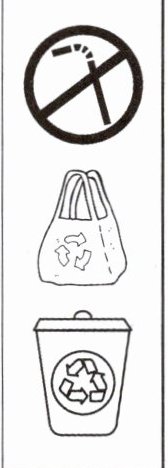
Reduce: Talk to your parents or school teachers about how to use less plastic. Say no to plastic straws.
Reuse: Refill and reuse water bottles instead of buying new ones. Carry fabric bags (布袋), not plastic bags, for shopping.
Recycle: Look out for the special recycling sign on plastic. Remember to recycle when you can instead of throwing plastic away with other rubbish.
(
A. news reporters
B. government officers
C. school students
D. environment volunteers
(
A. How Is Plastic Recycled?
B. What Is Plastic Pollution?
C. How Is Plastic Prevented?
D. What Is Plastic Protection?
(
A. Say no to plastic straws.
B. Separate plastic into groups.
C. Use less plastic products.
D. Go shopping with fabric bags.
A
What You Can Do
Reduce: Talk to your parents or school teachers about how to use less plastic. Say no to plastic straws.
Reuse: Refill and reuse water bottles instead of buying new ones. Carry fabric bags (布袋), not plastic bags, for shopping.
Recycle: Look out for the special recycling sign on plastic. Remember to recycle when you can instead of throwing plastic away with other rubbish.
(
C
)31. The poster above is most probably for C
.A. news reporters
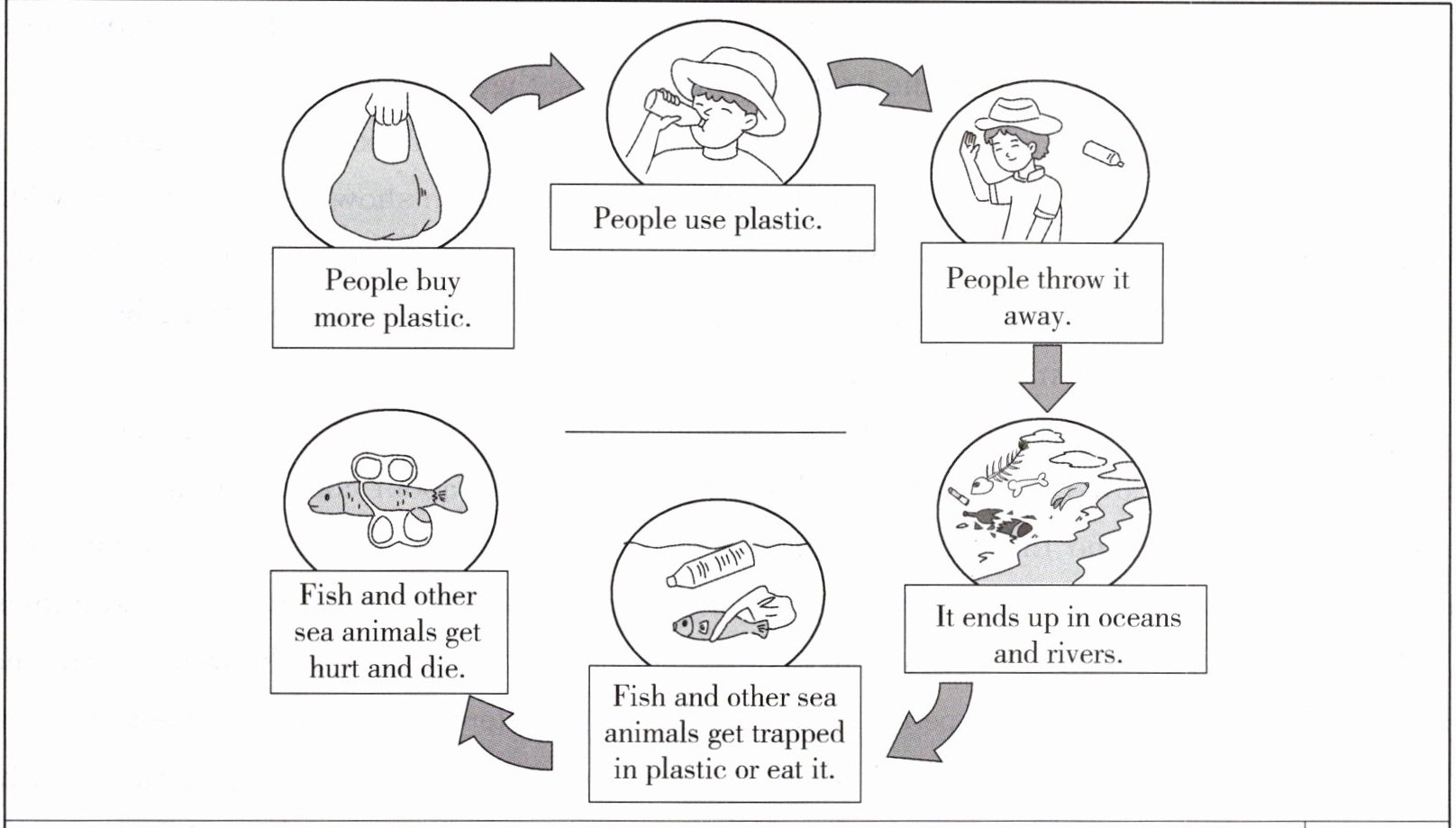
B. government officers
C. school students
D. environment volunteers
(
B
)32. Which of the following is the most suitable for ▲?A. How Is Plastic Recycled?
B. What Is Plastic Pollution?
C. How Is Plastic Prevented?
D. What Is Plastic Protection?
(
D
)33. When it comes to "Reuse", what is a good way to prevent plastic pollution?A. Say no to plastic straws.
B. Separate plastic into groups.
C. Use less plastic products.
D. Go shopping with fabric bags.
答案
A
【语篇解读】本文是一篇应用文。文章主要介绍了塑料污染的现状,以及我们能够做什么来减少塑料污染。
31. C 推理判断题。根据“Talk to your parents or school teachers about how to use less plastic.”以及结合整体内容是关于减少、再利用和回收塑料的一些简单做法可知,这些内容是比较适合学生去做的,面向的群体更可能是学校学生。C 选项“学校学生”符合语境,故选 C。
32. B 补全文章题。根据“Fish and other sea animals get hurt and die.”以及“It ends up in oceans and river.”可知,此处是介绍了塑料污染带来的危害,因此最适合的是“什么是塑料污染?”,故选 B。
33. D 细节理解题。根据“Reuse: Refill and reuse water bottles instead of buying new ones. Carry fabric bags, not plastic bags, for shopping.”可知,在“再利用”方面,购物时携带布袋而不是塑料袋是防止塑料污染的一个好方法。D 选项“带着布袋去购物”符合“Reuse”中防止塑料污染的做法,故选 D。
【语篇解读】本文是一篇应用文。文章主要介绍了塑料污染的现状,以及我们能够做什么来减少塑料污染。
31. C 推理判断题。根据“Talk to your parents or school teachers about how to use less plastic.”以及结合整体内容是关于减少、再利用和回收塑料的一些简单做法可知,这些内容是比较适合学生去做的,面向的群体更可能是学校学生。C 选项“学校学生”符合语境,故选 C。
32. B 补全文章题。根据“Fish and other sea animals get hurt and die.”以及“It ends up in oceans and river.”可知,此处是介绍了塑料污染带来的危害,因此最适合的是“什么是塑料污染?”,故选 B。
33. D 细节理解题。根据“Reuse: Refill and reuse water bottles instead of buying new ones. Carry fabric bags, not plastic bags, for shopping.”可知,在“再利用”方面,购物时携带布袋而不是塑料袋是防止塑料污染的一个好方法。D 选项“带着布袋去购物”符合“Reuse”中防止塑料污染的做法,故选 D。
解析
【分析】
做这篇环保主题的应用文阅读理解,我们可以按“先读题干,再回文定位,逐一比对选项”的思路解题:
1. 解第31题时,这是一道推断文章受众的推理判断题,先找原文里指向目标群体的线索,原文倡议大家和父母、学校老师沟通减塑方法,给出的Reduce、Reuse、Recycle的做法都非常简单易操作,逐一比对四个选项就能排除不符合的群体。
2. 解第32题时,结合空缺对应的后文内容,后文提到塑料会进入江河海洋、伤害鱼类等海洋生物,是在介绍塑料污染的相关危害和表现,匹配四个选项的标题含义就能选出最合适的。
3. 解第33题时,直接定位到题干指定的“Reuse”板块的原文内容,把四个选项和原文内容逐一比对,排除不属于Reuse范畴的做法,就能得到正确答案。
【解析】
31. 推理判断题:根据原文Reduce部分的“Talk to your parents or school teachers about how to use less plastic”,结合全文给出的减塑做法都简单易落地,可知该海报面向的群体最可能是学校学生,排除A新闻记者、B政府官员、D环境志愿者,选C。
32. 补全文章题:空缺对应的内容介绍了塑料流入江河海洋、伤害海洋生物的相关内容,是在解释塑料污染的表现与危害,最匹配的标题是“什么是塑料污染?”,排除A塑料如何回收、C如何预防塑料污染、D什么是塑料保护,选B。
33. 细节理解题:定位到Reuse板块的原文“Carry fabric bags (布袋), not plastic bags, for shopping”,可知带布袋购物属于Reuse范畴的减塑做法;A选项是Reduce部分的内容,B选项原文未提及,C选项属于Reduce的要求,均不符合题意,选D。
【答案】
31. C 32. B 33. D
【知识点】
细节信息定位,推理判断,应用文阅读
【点评】
本题属于基础难度的生活化阅读题,贴合环保热点,考点清晰,只要学生能准确定位原文对应段落,区分不同减塑举措的所属分类,就不容易出错,同时题目也向学生传递了减塑环保的实用生活理念。
【难度系数】
0.8
做这篇环保主题的应用文阅读理解,我们可以按“先读题干,再回文定位,逐一比对选项”的思路解题:
1. 解第31题时,这是一道推断文章受众的推理判断题,先找原文里指向目标群体的线索,原文倡议大家和父母、学校老师沟通减塑方法,给出的Reduce、Reuse、Recycle的做法都非常简单易操作,逐一比对四个选项就能排除不符合的群体。
2. 解第32题时,结合空缺对应的后文内容,后文提到塑料会进入江河海洋、伤害鱼类等海洋生物,是在介绍塑料污染的相关危害和表现,匹配四个选项的标题含义就能选出最合适的。
3. 解第33题时,直接定位到题干指定的“Reuse”板块的原文内容,把四个选项和原文内容逐一比对,排除不属于Reuse范畴的做法,就能得到正确答案。
【解析】
31. 推理判断题:根据原文Reduce部分的“Talk to your parents or school teachers about how to use less plastic”,结合全文给出的减塑做法都简单易落地,可知该海报面向的群体最可能是学校学生,排除A新闻记者、B政府官员、D环境志愿者,选C。
32. 补全文章题:空缺对应的内容介绍了塑料流入江河海洋、伤害海洋生物的相关内容,是在解释塑料污染的表现与危害,最匹配的标题是“什么是塑料污染?”,排除A塑料如何回收、C如何预防塑料污染、D什么是塑料保护,选B。
33. 细节理解题:定位到Reuse板块的原文“Carry fabric bags (布袋), not plastic bags, for shopping”,可知带布袋购物属于Reuse范畴的减塑做法;A选项是Reduce部分的内容,B选项原文未提及,C选项属于Reduce的要求,均不符合题意,选D。
【答案】
31. C 32. B 33. D
【知识点】
细节信息定位,推理判断,应用文阅读
【点评】
本题属于基础难度的生活化阅读题,贴合环保热点,考点清晰,只要学生能准确定位原文对应段落,区分不同减塑举措的所属分类,就不容易出错,同时题目也向学生传递了减塑环保的实用生活理念。
【难度系数】
0.8
