

 登录
登录
三、阅读与回答问题 新语篇·采访
阅读短文,根据短文内容回答问题,每题答案不超过 10 个词。
体裁:采访
主题:社区服务
难度:★★★★
A student reporter (SP) from New Star Weekly is having an interview with Tina about helping others.
SP:Hi, Tina! I heard you did something amazing. Can you tell me about it?
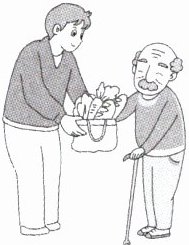
Tina:Sure! It all started when I was at the grocery store(杂货店) with my dad. We saw an elderly lady trying hard to move her groceries, and we offered to help her carry them to her car. That's when I got the idea of helping more people like her.
SP:That's really kind of you! What did you do next?
Tina:After that, my dad and I shared our phone numbers with some elderly neighbours. We told them they could give us their shopping lists, and we would buy their groceries. This way, they would reduce the risk(减少风险) of visiting stores and carrying bags all the way back home.
SP:Wow, that's a great idea! Did more people join in?
Tina:Yes! My dad even made an online group to find more volunteers. Pretty soon, lots of people wanted to help, and that's how the Good Neighbour Project started. Now, there are over 6,000 people helping in different cities.
SP:How does the Good Neighbour Project work?
Tina:It's simple. People who need help with their groceries, like the disabled or the elderly with difficulty in moving around, can call the Good Neighbour Hotline. We connect them with a volunteer who buys their groceries and delivers them for free. They only pay for the groceries, not for the delivery.
SP:That's great, Tina! Any final thoughts?
Tina:I just think if you see someone who needs help, you should go for it. Kindness doesn't take much, but it can have a big influence!
1. Where did Tina first get the idea to help more people?
2. Why did Tina and her dad help their elderly neighbours with groceries?
3. How did the Good Neighbour Project start?
4. Who can call the Good Neighbour Hotline for help?
5. What lesson can you learn from Tina's experience?
阅读短文,根据短文内容回答问题,每题答案不超过 10 个词。
体裁:采访
主题:社区服务
难度:★★★★
A student reporter (SP) from New Star Weekly is having an interview with Tina about helping others.
SP:Hi, Tina! I heard you did something amazing. Can you tell me about it?
Tina:Sure! It all started when I was at the grocery store(杂货店) with my dad. We saw an elderly lady trying hard to move her groceries, and we offered to help her carry them to her car. That's when I got the idea of helping more people like her.
SP:That's really kind of you! What did you do next?
Tina:After that, my dad and I shared our phone numbers with some elderly neighbours. We told them they could give us their shopping lists, and we would buy their groceries. This way, they would reduce the risk(减少风险) of visiting stores and carrying bags all the way back home.
SP:Wow, that's a great idea! Did more people join in?
Tina:Yes! My dad even made an online group to find more volunteers. Pretty soon, lots of people wanted to help, and that's how the Good Neighbour Project started. Now, there are over 6,000 people helping in different cities.
SP:How does the Good Neighbour Project work?
Tina:It's simple. People who need help with their groceries, like the disabled or the elderly with difficulty in moving around, can call the Good Neighbour Hotline. We connect them with a volunteer who buys their groceries and delivers them for free. They only pay for the groceries, not for the delivery.
SP:That's great, Tina! Any final thoughts?
Tina:I just think if you see someone who needs help, you should go for it. Kindness doesn't take much, but it can have a big influence!
1. Where did Tina first get the idea to help more people?
At the grocery store (when helping an elderly lady).
2. Why did Tina and her dad help their elderly neighbours with groceries?
To reduce their risk of visiting stores and carrying bags.
3. How did the Good Neighbour Project start?
By sharing phone numbers and making an online group.
4. Who can call the Good Neighbour Hotline for help?
People who need help with their groceries.
5. What lesson can you learn from Tina's experience?
Small acts of kindness can make a big difference.
答案
【语篇解读】本文是一篇采访。文章主要讲述了Tina和父亲帮助他人并创建“好邻居项目”。
1. At the grocery store (when helping an elderly lady). 根据“It all started when I was at the grocery store with my dad... That's when I got the idea of helping more people like her.”可知Tina在杂货店帮助一位老人搬东西时萌生了帮助更多人的想法。
2. To reduce their risk of visiting stores and carrying bags. 根据“This way, they would reduce the risk of visiting stores and carrying bags all the way back home.”可知Tina和父亲帮助邻居是为了减少他们去商店和搬运包裹的风险。
3. By sharing phone numbers and making an online group. 根据“After that, my dad and I shared our phone numbers with some elderly neighbours.”和“My dad even made an online group to find more volunteers... that's how the Good Neighbour Project started.”可知先与年迈的邻居共享电话号码,然后创建了一个在线群组。
4. People who need help with their groceries. 根据“People who need help with their groceries, like the disabled or the elderly with difficulty in moving around, can call the Good Neighbour Hotline.”可知需要帮助购买杂货的人可以拨打“好邻居热线”。
5. Small acts of kindness can make a big difference.(答案不唯一,言之有理即可)
1. At the grocery store (when helping an elderly lady). 根据“It all started when I was at the grocery store with my dad... That's when I got the idea of helping more people like her.”可知Tina在杂货店帮助一位老人搬东西时萌生了帮助更多人的想法。
2. To reduce their risk of visiting stores and carrying bags. 根据“This way, they would reduce the risk of visiting stores and carrying bags all the way back home.”可知Tina和父亲帮助邻居是为了减少他们去商店和搬运包裹的风险。
3. By sharing phone numbers and making an online group. 根据“After that, my dad and I shared our phone numbers with some elderly neighbours.”和“My dad even made an online group to find more volunteers... that's how the Good Neighbour Project started.”可知先与年迈的邻居共享电话号码,然后创建了一个在线群组。
4. People who need help with their groceries. 根据“People who need help with their groceries, like the disabled or the elderly with difficulty in moving around, can call the Good Neighbour Hotline.”可知需要帮助购买杂货的人可以拨打“好邻居热线”。
5. Small acts of kindness can make a big difference.(答案不唯一,言之有理即可)
解析
【分析】
这是一篇采访类阅读简答题,要求每题答案不超过10个词,解题思路如下:首先明确每道题的疑问指向,带着问题回原文对应段落定位关键句;之后剔除冗余修饰信息,提炼核心内容,严格控制答案字数符合要求;最后一道开放题结合文末Tina的观点,提炼贴合主题的正向短句即可,保证语义通顺符合文意。
【解析】
1. 定位原文Tina的表述,她在杂货店帮老年女士搬杂货时萌生了帮助更多人的想法,提炼核心信息得到符合字数要求的答案。
2. 定位原文第二段末尾内容,Tina和父亲帮老年邻居代买杂货的目的是降低老人外出逛商店、拎重物的风险,精简语句后得到符合要求的答案。
3. 定位原文第三段内容,两人先给老年邻居留了电话,之后父亲搭建线上群招募志愿者,好邻居项目就此启动,提炼核心动作得到答案。
4. 定位原文第四段内容,明确有杂货采购相关帮助需求的人群都可以拨打求助热线,直接提取核心人群表述即可。
5. 结合文末Tina提出的善意不需要付出很多但影响很大的观点,提炼出符合主题的正向短句即可,言之有理都可得分。
【答案】
1. At the grocery store (when helping an elderly lady).
2. To reduce their risk of visiting stores and carrying bags.
3. By sharing phone numbers and making an online group.
4. People who need help with their groceries.
5. Small acts of kindness can make a big difference.(答案不唯一,言之有理即可)
【知识点】
阅读信息提取,语句精简表达,主旨归纳
【点评】
本题属于生活化的采访类阅读题型,考点设置清晰,既考察学生快速定位原文细节的能力,又通过字数限制要求学生锻炼信息提炼精简的能力,最后一道开放题引导学生感悟微小善意的价值,整体难度适中,学生容易出现的失误是提炼信息时冗余超字数,需要注意筛选核心要素。
【难度系数】
0.7
这是一篇采访类阅读简答题,要求每题答案不超过10个词,解题思路如下:首先明确每道题的疑问指向,带着问题回原文对应段落定位关键句;之后剔除冗余修饰信息,提炼核心内容,严格控制答案字数符合要求;最后一道开放题结合文末Tina的观点,提炼贴合主题的正向短句即可,保证语义通顺符合文意。
【解析】
1. 定位原文Tina的表述,她在杂货店帮老年女士搬杂货时萌生了帮助更多人的想法,提炼核心信息得到符合字数要求的答案。
2. 定位原文第二段末尾内容,Tina和父亲帮老年邻居代买杂货的目的是降低老人外出逛商店、拎重物的风险,精简语句后得到符合要求的答案。
3. 定位原文第三段内容,两人先给老年邻居留了电话,之后父亲搭建线上群招募志愿者,好邻居项目就此启动,提炼核心动作得到答案。
4. 定位原文第四段内容,明确有杂货采购相关帮助需求的人群都可以拨打求助热线,直接提取核心人群表述即可。
5. 结合文末Tina提出的善意不需要付出很多但影响很大的观点,提炼出符合主题的正向短句即可,言之有理都可得分。
【答案】
1. At the grocery store (when helping an elderly lady).
2. To reduce their risk of visiting stores and carrying bags.
3. By sharing phone numbers and making an online group.
4. People who need help with their groceries.
5. Small acts of kindness can make a big difference.(答案不唯一,言之有理即可)
【知识点】
阅读信息提取,语句精简表达,主旨归纳
【点评】
本题属于生活化的采访类阅读题型,考点设置清晰,既考察学生快速定位原文细节的能力,又通过字数限制要求学生锻炼信息提炼精简的能力,最后一道开放题引导学生感悟微小善意的价值,整体难度适中,学生容易出现的失误是提炼信息时冗余超字数,需要注意筛选核心要素。
【难度系数】
0.7
