

 登录
登录
二、语篇填空。
阅读短文,从方框中选择适当的词并用其正确形式填空,使短文通顺、意思完整。每空限填一词,每词限用一次。
yet, around, whole, lie, quite, expect, government, landscape, we, mountain
Do you know the Great Wall of Water in China? It's the Red Flag Canal. It 11.
In the past, this area was 14.
Zhang River to Linzhou City. They had to cut through 1,250 18.
The Red Flag Canal is not only a huge project, but also a spirit of hard work and perseverance(不屈不挠). It's the spirit of 20.
阅读短文,从方框中选择适当的词并用其正确形式填空,使短文通顺、意思完整。每空限填一词,每词限用一次。
yet, around, whole, lie, quite, expect, government, landscape, we, mountain
Do you know the Great Wall of Water in China? It's the Red Flag Canal. It 11.
lies
along the side of cliffs(悬崖) of the Taihang Mountains. The 12. landscapes
along the canal (水渠) are amazing. The 13. whole
canal is over 1,500 kilometers long.In the past, this area was 14.
quite
dry and had little rain. And there was no river 15. around
it. The fields were not good for growing plants. People 16. expected
to have a river to bring water for them. The 17. government
planned to build a canal fromZhang River to Linzhou City. They had to cut through 1,250 18.
mountains
and dig over 200 tunnels (隧道). It was a really difficult project, 19. yet
the people of Henan completed(完成) the project with simple tools.The Red Flag Canal is not only a huge project, but also a spirit of hard work and perseverance(不屈不挠). It's the spirit of 20.
our
nation. The spirit encourages us to think and act.答案
11. lies 12. landscapes 13. whole 14. quite 15. around
16. expected 17. government 18. mountains 19. yet 20. our
16. expected 17. government 18. mountains 19. yet 20. our
解析
【分析】
首先通读短文,把握主旨为介绍中国红旗渠的相关情况(包括外观、修建背景、意义);接着分析每个空格的语法成分(如谓语动词、名词、形容词、副词等),结合语境语义,从方框所给词汇中选取合适的词,再根据时态、单复数、词性变形等规则调整形式,确保每词限用一次,最后检查语句通顺、语义完整。
【解析】
11. 空格处作谓语,主语It指代红旗渠,为第三人称单数,结合语境“沿着太行山悬崖边”,选动词lie,变形为lies;
12. 空格处作主语,后接be动词are,需用复数名词,语境为“水渠沿线的景观”,选名词landscape,变形为landscapes;
13. 空格处修饰名词canal,需用形容词,语境为“整个水渠”,选形容词whole;
14. 空格处修饰形容词dry,需用副词,语境为“相当干燥”,选副词quite;
15. 空格处需介词,语境为“没有河流在它周围”,选介词around;
16. 空格处作谓语,主语People为复数,结合语境“过去人们期望有河”,用一般过去时,选动词expect,变形为expected;
17. 空格处作主语,需名词,语境为“政府计划修水渠”,选名词government;
18. 空格处前有数词1250,需用复数名词,语境为“穿过1250座山”,选名词mountain,变形为mountains;
19. 空格处前后为转折关系,需连词,语境为“项目难,但河南人民完成了”,选连词yet;
20. 空格处修饰名词nation,需用形容词性物主代词,语境为“我们的民族”,选代词we,变形为our。
【答案】
11. lies 12. landscapes 13. whole 14. quite 15. around 16. expected 17. government 18. mountains 19. yet 20. our
【知识点】
语篇词汇运用、名词单复数、动词时态
【点评】
本题为语篇填空题,考查词汇在具体语境中的正确运用,需结合上下文语义和语法规则进行词汇变形,难度适中,是初中英语常见题型,注重基础词汇的掌握与运用。
【难度系数】
0.6
首先通读短文,把握主旨为介绍中国红旗渠的相关情况(包括外观、修建背景、意义);接着分析每个空格的语法成分(如谓语动词、名词、形容词、副词等),结合语境语义,从方框所给词汇中选取合适的词,再根据时态、单复数、词性变形等规则调整形式,确保每词限用一次,最后检查语句通顺、语义完整。
【解析】
11. 空格处作谓语,主语It指代红旗渠,为第三人称单数,结合语境“沿着太行山悬崖边”,选动词lie,变形为lies;
12. 空格处作主语,后接be动词are,需用复数名词,语境为“水渠沿线的景观”,选名词landscape,变形为landscapes;
13. 空格处修饰名词canal,需用形容词,语境为“整个水渠”,选形容词whole;
14. 空格处修饰形容词dry,需用副词,语境为“相当干燥”,选副词quite;
15. 空格处需介词,语境为“没有河流在它周围”,选介词around;
16. 空格处作谓语,主语People为复数,结合语境“过去人们期望有河”,用一般过去时,选动词expect,变形为expected;
17. 空格处作主语,需名词,语境为“政府计划修水渠”,选名词government;
18. 空格处前有数词1250,需用复数名词,语境为“穿过1250座山”,选名词mountain,变形为mountains;
19. 空格处前后为转折关系,需连词,语境为“项目难,但河南人民完成了”,选连词yet;
20. 空格处修饰名词nation,需用形容词性物主代词,语境为“我们的民族”,选代词we,变形为our。
【答案】
11. lies 12. landscapes 13. whole 14. quite 15. around 16. expected 17. government 18. mountains 19. yet 20. our
【知识点】
语篇词汇运用、名词单复数、动词时态
【点评】
本题为语篇填空题,考查词汇在具体语境中的正确运用,需结合上下文语义和语法规则进行词汇变形,难度适中,是初中英语常见题型,注重基础词汇的掌握与运用。
【难度系数】
0.6
三、补全对话。
根据下面的对话情景,在每个空白处填上一个适当的句子,使对话的意思连贯、完整。
A: Hi, Jack! Long time no see. 21.
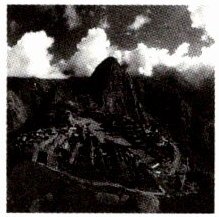
B: I went to Machu Picchu in Peru. It is an amazing place.
A: 22.
B: I saw the mountains and valleys (山谷) around the site. And there are lots of palaces and terraces with a history of about 580 years.
A: It's interesting to see such an old place. 23.
B: I took a train first. Then I walked to the site. The landscapes on the way were also great.
A: It sounds like a perfect place. 24.
B: 25.
A: Thank you. I can't wait to go there.
根据下面的对话情景,在每个空白处填上一个适当的句子,使对话的意思连贯、完整。
A: Hi, Jack! Long time no see. 21.
Where did you go
?B: I went to Machu Picchu in Peru. It is an amazing place.
A: 22.
What did you see there
?B: I saw the mountains and valleys (山谷) around the site. And there are lots of palaces and terraces with a history of about 580 years.
A: It's interesting to see such an old place. 23.
How did you get there
?B: I took a train first. Then I walked to the site. The landscapes on the way were also great.
A: It sounds like a perfect place. 24.
I really want to visit it some day/I can't wait to visit it
. Can you give me some advice?B: 25.
Of course/Sure/No problem
. I think you can go there in summer, because the weather is good and the views are very beautiful at that time.A: Thank you. I can't wait to go there.
答案
21. Where did you go 22. What did you see there
23. How did you get there
24. I really want to visit it some day/I can't wait to visit it
25. Of course/Sure/No problem
23. How did you get there
24. I really want to visit it some day/I can't wait to visit it
25. Of course/Sure/No problem
解析
【分析】这是一道补全对话的情景交际题,需结合上下文的问答逻辑填写符合语境的句子。21题根据B的回答“去了秘鲁的马丘比丘”,可知A询问的是出行地点;22题根据B回答的所见景物,可知A询问的是看到的内容;23题根据B回答的出行方式,可知A询问的是出行方式;24题根据A请求建议,可知A表达了想参观的意愿;25题根据A请求建议,可知B同意给出建议。
【解析】根据对话上下文语境及问答逻辑:
21. 由答句“I went to Machu Picchu in Peru.”可知,此处询问对方去了哪里,故填Where did you go。
22. 由答句“I saw the mountains and valleys around the site. And there are lots of palaces and terraces...”可知,此处询问对方在那里看到了什么,故填What did you see there。
23. 由答句“I took a train first. Then I walked to the site.”可知,此处询问对方如何到达那里,故填How did you get there。
24. 由后文A请求建议“Can you give me some advice?”可知,此处表达想参观的意愿,故填I really want to visit it some day。
25. 由A请求建议,后文B给出时间建议可知,此处表示同意,故填Of course。
【答案】21. Where did you go 22. What did you see there 23. How did you get there 24. I really want to visit it some day 25. Of course
【知识点】情景交际、补全对话
【点评】本题考查日常情景对话的运用,结合上下文逻辑填写句子,注重基础交际用语的掌握,难度较低。
【难度系数】0.8
【解析】根据对话上下文语境及问答逻辑:
21. 由答句“I went to Machu Picchu in Peru.”可知,此处询问对方去了哪里,故填Where did you go。
22. 由答句“I saw the mountains and valleys around the site. And there are lots of palaces and terraces...”可知,此处询问对方在那里看到了什么,故填What did you see there。
23. 由答句“I took a train first. Then I walked to the site.”可知,此处询问对方如何到达那里,故填How did you get there。
24. 由后文A请求建议“Can you give me some advice?”可知,此处表达想参观的意愿,故填I really want to visit it some day。
25. 由A请求建议,后文B给出时间建议可知,此处表示同意,故填Of course。
【答案】21. Where did you go 22. What did you see there 23. How did you get there 24. I really want to visit it some day 25. Of course
【知识点】情景交际、补全对话
【点评】本题考查日常情景对话的运用,结合上下文逻辑填写句子,注重基础交际用语的掌握,难度较低。
【难度系数】0.8
