

 登录
登录
五、综合填空
(2025 苏州吴中、相城、吴江期中)Woodblock painting(木版年画) in Taohuawu,
For centuries, local families have used Taohuawu paintings to make their homes more beautiful.
Today, an art centre in Taohuawu not only shows paintings but also tells visitors how it is created. Through learning, people can understand the hard work and the story behind each piece
1.
4.
7.
10.
(2025 苏州吴中、相城、吴江期中)Woodblock painting(木版年画) in Taohuawu,
a
1 special form of Chinese art, has a long history. It dated from the Ming Dynasty. As one of the most famous cultural treasures
2(treasure) in China, these colourful paintings are still loved by people today. They often express happiness
3(happy) and good wishes through bright colours and lively designs.For centuries, local families have used Taohuawu paintings to make their homes more beautiful.
Putting
4(put) up nice paintings on the wall is a custom(习俗) in Suzhou. The art itself
5(it) carries deep cultural value. For example, a bamboo design means
6(mean) health and safety in Chinese culture. People can feel the warmth and
7 life of the traditional folk art.Today, an art centre in Taohuawu not only shows paintings but also tells visitors how it is created. Through learning, people can understand the hard work and the story behind each piece
of
8 work. The paintings are more than just decorations—they show the spirit of Chinese culture about family, nature, and joy. In 2006, woodblock painting in Taohuawu was listed as one of China's first
9(one) National Intangible Cultural Heritage items(国家非物质文化遗产名录). By learning about these, we help keep this beautiful art alive
10(live).1.
a
2. treasures
3. happiness
4.
Putting
5. itself
6. means
7.
and
8. of
9. first
10.
alive
答案
【语篇导读】本文主要介绍了桃花坞木版年画的历史、艺术特色及文化价值。
1. a
2. treasures 提示:one of后加名词复数。
3. happiness
4. Putting 提示:此处用动名词作主语。
5. itself 6. means 7. and 8. of
9. first 10. alive
1. a
2. treasures 提示:one of后加名词复数。
3. happiness
4. Putting 提示:此处用动名词作主语。
5. itself 6. means 7. and 8. of
9. first 10. alive
解析
【分析】
这是一篇介绍桃花坞木版年画的综合填空题,解题时需结合语境、语法规则和固定搭配来逐一分析每个空:
1. 第1空:空后是可数名词单数“special form”,表示“一种特殊的艺术形式”,表泛指且“special”以辅音音素开头,因此用不定冠词a。
2. 第2空:“one of”后必须接可数名词复数形式,“treasure”表示“珍宝”时为可数名词,所以填其复数形式treasures。
3. 第3空:动词“express”后需要名词作宾语,“happy”是形容词,要转换为名词形式happiness。
4. 第4空:句子缺少主语,动词作主语时需变为动名词形式,因此“put”要变成Putting。
5. 第5空:此处强调艺术“本身”,需用反身代词itself来指代前面的“The art”。
6. 第6空:主语“a bamboo design”是单数第三人称,句子为一般现在时,动词“mean”要变为第三人称单数形式means。
7. 第7空:“warmth”和“life”是并列关系,需要用并列连词and连接。
8. 第8空:“each piece of work”是固定搭配,表示“每一件作品”,所以填介词of。
9. 第9空:此处表示“第一批国家非物质文化遗产名录”,要用序数词first。
10. 第10空:“keep sth. +形容词”是固定结构,“live”的形容词形式alive表示“活着的,继续存在的”,符合语境。
【解析】
1. a:此处泛指“一种特殊的中国艺术形式”,“special”以辅音音素开头,用不定冠词a。
2. treasures:“one of + 可数名词复数”是固定结构,意为“……之一”,故填treasures。
3. happiness:动词“express”后接名词作宾语,happy的名词形式是happiness。
4. Putting:动名词短语作句子主语,故将put变为动名词Putting。
5. itself:此处用反身代词itself强调“The art”本身。
6. means:主语“a bamboo design”是单数第三人称,一般现在时中动词用第三人称单数形式means。
7. and:“warmth”与“life”是并列关系,用并列连词and连接。
8. of:“each piece of work”是固定搭配,意为“每一件作品”。
9. first:表示“第一批”,用序数词first。
10. alive:“keep sth. alive”是固定搭配,意为“使某物存活/延续下去”。
【答案】
1. a 2. treasures 3. happiness 4. Putting 5. itself 6. means 7. and 8. of 9. first 10. alive
【知识点】
词性转换、固定搭配、动词形式变化
【点评】
本题围绕桃花坞木版年画这一传统文化主题展开,考查了冠词、名词、代词、动词、连词等多种语法点,既要求学生掌握扎实的语法知识,也需要结合语境理解文意,在解题的同时能加深对传统文化的了解。
【难度系数】
0.6
这是一篇介绍桃花坞木版年画的综合填空题,解题时需结合语境、语法规则和固定搭配来逐一分析每个空:
1. 第1空:空后是可数名词单数“special form”,表示“一种特殊的艺术形式”,表泛指且“special”以辅音音素开头,因此用不定冠词a。
2. 第2空:“one of”后必须接可数名词复数形式,“treasure”表示“珍宝”时为可数名词,所以填其复数形式treasures。
3. 第3空:动词“express”后需要名词作宾语,“happy”是形容词,要转换为名词形式happiness。
4. 第4空:句子缺少主语,动词作主语时需变为动名词形式,因此“put”要变成Putting。
5. 第5空:此处强调艺术“本身”,需用反身代词itself来指代前面的“The art”。
6. 第6空:主语“a bamboo design”是单数第三人称,句子为一般现在时,动词“mean”要变为第三人称单数形式means。
7. 第7空:“warmth”和“life”是并列关系,需要用并列连词and连接。
8. 第8空:“each piece of work”是固定搭配,表示“每一件作品”,所以填介词of。
9. 第9空:此处表示“第一批国家非物质文化遗产名录”,要用序数词first。
10. 第10空:“keep sth. +形容词”是固定结构,“live”的形容词形式alive表示“活着的,继续存在的”,符合语境。
【解析】
1. a:此处泛指“一种特殊的中国艺术形式”,“special”以辅音音素开头,用不定冠词a。
2. treasures:“one of + 可数名词复数”是固定结构,意为“……之一”,故填treasures。
3. happiness:动词“express”后接名词作宾语,happy的名词形式是happiness。
4. Putting:动名词短语作句子主语,故将put变为动名词Putting。
5. itself:此处用反身代词itself强调“The art”本身。
6. means:主语“a bamboo design”是单数第三人称,一般现在时中动词用第三人称单数形式means。
7. and:“warmth”与“life”是并列关系,用并列连词and连接。
8. of:“each piece of work”是固定搭配,意为“每一件作品”。
9. first:表示“第一批”,用序数词first。
10. alive:“keep sth. alive”是固定搭配,意为“使某物存活/延续下去”。
【答案】
1. a 2. treasures 3. happiness 4. Putting 5. itself 6. means 7. and 8. of 9. first 10. alive
【知识点】
词性转换、固定搭配、动词形式变化
【点评】
本题围绕桃花坞木版年画这一传统文化主题展开,考查了冠词、名词、代词、动词、连词等多种语法点,既要求学生掌握扎实的语法知识,也需要结合语境理解文意,在解题的同时能加深对传统文化的了解。
【难度系数】
0.6
六、阅读并回答问题
Chinese paper-cutting is a kind of folk art. You can often see paper-cuts in China. It has a long history of about 1,500 years. Let's learn something about paper-cutting.
Wonderful meanings
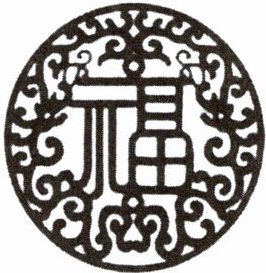
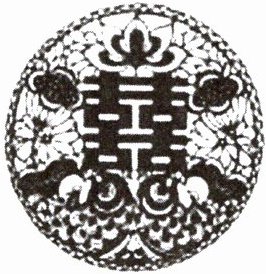
Paper-cutting has some wonderful meanings. People always think paper-cutting can bring us happiness and good luck.
At a wedding, people put up "Xi". At the Spring Festival, people put up "Fu" on doors or windows.
The making of paper-cuts
There are two ways of making paper-cuts: one is using scissors, and the other is using knives. It is easy to learn how to make paper-cuts, and required(必需的) tools are simply a piece of paper and a knife or a pair of scissors. But it is not easy to master(精通) this art at all because it needs a lot of practice.
Black paper-cuts in Sanmenxia
It's true that most of the paper-cuts are red. But paper-cuts in Sanmenxia, Henan Province are black. With a unique cutting style, the male(男的) paper-cutting artists like to sing songs while cutting the paper. As the song ends, the cutting also finishes.
Now, paper-cutting is getting into many schools. Students can learn how to make paper-cuts at school. Li Jie, a middle school student, says, "It's really wonderful to change paper into different kinds of pictures, such as flowers and animals. We enjoy it."
1. How long is the history of Chinese paper-cutting?
2. Why do people put up paper-cuts?
3. What are the two ways of making paper-cuts?
4. In Sanmenxia, what do male artists like to do while cutting the paper?
5. What do you think of learning paper-cutting at school?
Chinese paper-cutting is a kind of folk art. You can often see paper-cuts in China. It has a long history of about 1,500 years. Let's learn something about paper-cutting.
Wonderful meanings
Paper-cutting has some wonderful meanings. People always think paper-cutting can bring us happiness and good luck.
At a wedding, people put up "Xi". At the Spring Festival, people put up "Fu" on doors or windows.
The making of paper-cuts
There are two ways of making paper-cuts: one is using scissors, and the other is using knives. It is easy to learn how to make paper-cuts, and required(必需的) tools are simply a piece of paper and a knife or a pair of scissors. But it is not easy to master(精通) this art at all because it needs a lot of practice.
Black paper-cuts in Sanmenxia
It's true that most of the paper-cuts are red. But paper-cuts in Sanmenxia, Henan Province are black. With a unique cutting style, the male(男的) paper-cutting artists like to sing songs while cutting the paper. As the song ends, the cutting also finishes.
Now, paper-cutting is getting into many schools. Students can learn how to make paper-cuts at school. Li Jie, a middle school student, says, "It's really wonderful to change paper into different kinds of pictures, such as flowers and animals. We enjoy it."
1. How long is the history of Chinese paper-cutting?
About 1,500 years.
2. Why do people put up paper-cuts?
To have/get happiness and good luck./Because of their wonderful meanings.
3. What are the two ways of making paper-cuts?
Using scissors and using knives.
4. In Sanmenxia, what do male artists like to do while cutting the paper?
They like to sing songs.
5. What do you think of learning paper-cutting at school?
A way to broadcast Chinese culture./Wonderful.(言之有理即可)
答案
【语篇导读】本文介绍了中国的剪纸艺术。
1. About 1,500 years.
2. To have/get happiness and good luck./Because of their wonderful meanings.
3. Using scissors and using knives.
4. They like to sing songs.
5. A way to broadcast Chinese culture./Wonderful.(言之有理即可)
1. About 1,500 years.
2. To have/get happiness and good luck./Because of their wonderful meanings.
3. Using scissors and using knives.
4. They like to sing songs.
5. A way to broadcast Chinese culture./Wonderful.(言之有理即可)
解析
【分析】
这是一篇介绍中国剪纸艺术的阅读理解题,以细节理解题和开放性问答题为主。解题思路如下:
1. 对于前四道细节题,先仔细阅读题目,明确问题指向,然后带着问题回到原文对应的段落中寻找关键信息,定位到相关句子后提取答案即可。
2. 第五题为开放性题目,需要结合文中最后一段学生的感受以及剪纸的文化意义,给出合理的观点,言之有理即可。
【解析】
1. 题目询问中国剪纸的历史时长,定位到原文第一段“It has a long history of about 1,500 years.”,直接提取答案。
2. 题目询问人们贴剪纸的原因,定位到“Wonderful meanings”部分的“People always think paper-cutting can bring us happiness and good luck.”,据此可知人们认为剪纸能带来幸福和好运,或者根据该部分的主题,也可回答因为剪纸有美好的寓意。
3. 题目询问制作剪纸的两种方法,定位到“The making of paper-cuts”部分的“There are two ways of making paper-cuts: one is using scissors, and the other is using knives.”,提取两种方法即可。
4. 题目询问三门峡的男性艺术家剪纸时喜欢做什么,定位到“Black paper-cuts in Sanmenxia”部分的“the male(男的) paper-cutting artists like to sing songs while cutting the paper.”,提取关键信息。
5. 题目询问对在学校学习剪纸的看法,可结合最后一段学生的评价“It's really wonderful...”以及剪纸作为传统文化的价值,给出合理观点,比如认为这是传播中国文化的方式,或者觉得很有趣等。
【答案】
1. About 1,500 years.
2. To have/get happiness and good luck./Because of their wonderful meanings.
3. Using scissors and using knives.
4. They like to sing songs.
5. A way to broadcast Chinese culture./Wonderful.(言之有理即可)
【知识点】
1. 细节理解题
2. 开放性问答题
3. 英语阅读理解技巧
【点评】
本文围绕中国传统剪纸艺术展开,涵盖剪纸的历史、寓意、制作方法、特色流派以及校园传承等内容,既考查了学生从文本中获取细节信息的能力,又通过开放性题目引导学生思考传统文化的传承,有助于学生了解中国传统文化,提升英语阅读与表达能力。
【难度系数】
0.8
这是一篇介绍中国剪纸艺术的阅读理解题,以细节理解题和开放性问答题为主。解题思路如下:
1. 对于前四道细节题,先仔细阅读题目,明确问题指向,然后带着问题回到原文对应的段落中寻找关键信息,定位到相关句子后提取答案即可。
2. 第五题为开放性题目,需要结合文中最后一段学生的感受以及剪纸的文化意义,给出合理的观点,言之有理即可。
【解析】
1. 题目询问中国剪纸的历史时长,定位到原文第一段“It has a long history of about 1,500 years.”,直接提取答案。
2. 题目询问人们贴剪纸的原因,定位到“Wonderful meanings”部分的“People always think paper-cutting can bring us happiness and good luck.”,据此可知人们认为剪纸能带来幸福和好运,或者根据该部分的主题,也可回答因为剪纸有美好的寓意。
3. 题目询问制作剪纸的两种方法,定位到“The making of paper-cuts”部分的“There are two ways of making paper-cuts: one is using scissors, and the other is using knives.”,提取两种方法即可。
4. 题目询问三门峡的男性艺术家剪纸时喜欢做什么,定位到“Black paper-cuts in Sanmenxia”部分的“the male(男的) paper-cutting artists like to sing songs while cutting the paper.”,提取关键信息。
5. 题目询问对在学校学习剪纸的看法,可结合最后一段学生的评价“It's really wonderful...”以及剪纸作为传统文化的价值,给出合理观点,比如认为这是传播中国文化的方式,或者觉得很有趣等。
【答案】
1. About 1,500 years.
2. To have/get happiness and good luck./Because of their wonderful meanings.
3. Using scissors and using knives.
4. They like to sing songs.
5. A way to broadcast Chinese culture./Wonderful.(言之有理即可)
【知识点】
1. 细节理解题
2. 开放性问答题
3. 英语阅读理解技巧
【点评】
本文围绕中国传统剪纸艺术展开,涵盖剪纸的历史、寓意、制作方法、特色流派以及校园传承等内容,既考查了学生从文本中获取细节信息的能力,又通过开放性题目引导学生思考传统文化的传承,有助于学生了解中国传统文化,提升英语阅读与表达能力。
【难度系数】
0.8
