

 登录
登录
A(2026·南京建邺区期末)
This year's Michael
Rosen Day is on 13
November. The aim of the
day is to make reading and
writing poetry fun and
accessible(可接近的) for all. This year's topic
is FUNNY FOOD. Try these m 1 for
writing your own funny and satisfying food poem.
If you're not sure how to start your poem,
Michael Rosen advises looking at others'. He
says, "Ask y 2 why you like it and if you
can have a go at doing something like that." If
your favourite poem uses rhyming words, you
could try that. Does the poem tell a story or
e 3 a special feeling? Try using the same
style but your own words.
If you can't find ideas in front of you,
search your m 4 . Rosen says,"Daydream for
a minute. Maybe you can think of something
funny in the past." A 5 way is to pick a
moment that troubled you—perhaps a seagull
stole your favourite chips or an a 6 spray(喷
溅) of ketchup(番茄酱) ruined your new white
shirt. "Write about it as if you are a sports
commentator and it's happening right now."
Rosen says you can use any or all of the five
s 7 to write poetry. For a seeing poem, he
says,"Pick a place you want to write about and
write about the things you can see." A hearing
poem could be about the sound of your mum
eating cereal. Or try a smelling poem about the
aroma(香味) of school dinners, a t 8 poem
describing eating a sour sweet, or a touching
poem about slippery noodles. Trying this way
can make your writing feel alive s 9 good
poems come from real feelings.
Pick one small food moment, f 10 on it
closely, and turn it into your own funny poem.
Your poem is ready to be created.
1.
4.
7.
10.
This year's Michael
Rosen Day is on 13
November. The aim of the
day is to make reading and
writing poetry fun and
accessible(可接近的) for all. This year's topic
is FUNNY FOOD. Try these m 1 for
writing your own funny and satisfying food poem.
If you're not sure how to start your poem,
Michael Rosen advises looking at others'. He
says, "Ask y 2 why you like it and if you
can have a go at doing something like that." If
your favourite poem uses rhyming words, you
could try that. Does the poem tell a story or
e 3 a special feeling? Try using the same
style but your own words.
If you can't find ideas in front of you,
search your m 4 . Rosen says,"Daydream for
a minute. Maybe you can think of something
funny in the past." A 5 way is to pick a
moment that troubled you—perhaps a seagull
stole your favourite chips or an a 6 spray(喷
溅) of ketchup(番茄酱) ruined your new white
shirt. "Write about it as if you are a sports
commentator and it's happening right now."
Rosen says you can use any or all of the five
s 7 to write poetry. For a seeing poem, he
says,"Pick a place you want to write about and
write about the things you can see." A hearing
poem could be about the sound of your mum
eating cereal. Or try a smelling poem about the
aroma(香味) of school dinners, a t 8 poem
describing eating a sour sweet, or a touching
poem about slippery noodles. Trying this way
can make your writing feel alive s 9 good
poems come from real feelings.
Pick one small food moment, f 10 on it
closely, and turn it into your own funny poem.
Your poem is ready to be created.
1.
methods
2. yourself
3. express
4.
mind/memory
5. Another
6. accidental
7.
senses
8. tasting
9. since
10.
focus
答案
1. methods 2. yourself 3. express 4. mind/memory
5. Another 6. accidental 7. senses 8. tasting 9. since
10. focus
5. Another 6. accidental 7. senses 8. tasting 9. since
10. focus
解析
【分析】
这是一篇说明文类的首字母填空题,解题时首先通读全文,明确文章核心是介绍趣味食物主题诗歌的写作技巧,理清整体行文逻辑后,再逐空结合上下文语境、首字母提示、语法规则和固定搭配推导合适的词汇,同时注意名词单复数、词性转换等细节,最后代入全文校验语义是否通顺。
【解析】
1. 句意:尝试这些写你自己的有趣又让人满意的食物诗歌的方法。后文分别介绍了不同的写作技巧,结合首字母m,these后接可数名词复数,填methods。
2. 句意:问问你自己为什么喜欢它,以及你能不能试着写出类似的内容。本句是给读者的建议,逻辑主语是第二人称,结合首字母y,填反身代词yourself。
3. 句意:这首诗是讲述一个故事,还是表达一种特殊的情感?结合首字母e,此处和tell并列用动词原形,填express。
4. 句意:如果你在眼前找不到灵感,就搜寻你的脑海/记忆。后文提到回想过去的趣事,结合首字母m,填mind或memory都符合语境。
5. 句意:另一种方法是挑选一个困扰过你的瞬间。前文已经介绍了一种找灵感的方法,此处引出第二种,结合首字母A,填Another。
6. 句意:也许海鸥偷走了你最爱的薯条,或是意外溅出的番茄酱毁掉了你的新白T恤。此处修饰名词spray,用形容词,结合首字母a,填accidental。
7. 句意:Rosen说你可以使用五种感官中的任意一种或全部来写诗。后文分别列举了视觉、听觉、嗅觉、味觉、触觉五种感知方式,结合首字母s,five后接可数名词复数,填senses。
8. 句意:或者尝试一首描述吃酸糖的味觉诗歌,后面接关于滑溜溜面条的触觉诗歌。前文并列出现了seeing、hearing、smelling,结合首字母t,对应味觉相关的描述,填tasting。
9. 句意:尝试这种方式能让你的写作充满活力,因为好的诗歌来自真实的情感。此处引导原因状语从句,结合首字母s,填since。
10. 句意:挑选一个微小的和食物相关的瞬间,专注于它,把它变成属于你自己的趣味诗歌。此处是祈使句,用动词原形,focus on是固定搭配表示“专注于”,结合首字母f,填focus。
【答案】
1. methods 2. yourself 3. express 4. mind/memory 5. Another 6. accidental 7. senses 8. tasting 9. since 10. focus
【知识点】
首字母完形填空,固定短语搭配,词性辨析
【点评】
本题选取和英语读写实践相关的话题,贴近学生日常学习场景,既考查学生对上下文逻辑的梳理推导能力,也考查词汇积累和常见固定搭配的掌握,多处并列结构可以作为解题的提示线索,整体难度梯度平缓。
【难度系数】
0.6
这是一篇说明文类的首字母填空题,解题时首先通读全文,明确文章核心是介绍趣味食物主题诗歌的写作技巧,理清整体行文逻辑后,再逐空结合上下文语境、首字母提示、语法规则和固定搭配推导合适的词汇,同时注意名词单复数、词性转换等细节,最后代入全文校验语义是否通顺。
【解析】
1. 句意:尝试这些写你自己的有趣又让人满意的食物诗歌的方法。后文分别介绍了不同的写作技巧,结合首字母m,these后接可数名词复数,填methods。
2. 句意:问问你自己为什么喜欢它,以及你能不能试着写出类似的内容。本句是给读者的建议,逻辑主语是第二人称,结合首字母y,填反身代词yourself。
3. 句意:这首诗是讲述一个故事,还是表达一种特殊的情感?结合首字母e,此处和tell并列用动词原形,填express。
4. 句意:如果你在眼前找不到灵感,就搜寻你的脑海/记忆。后文提到回想过去的趣事,结合首字母m,填mind或memory都符合语境。
5. 句意:另一种方法是挑选一个困扰过你的瞬间。前文已经介绍了一种找灵感的方法,此处引出第二种,结合首字母A,填Another。
6. 句意:也许海鸥偷走了你最爱的薯条,或是意外溅出的番茄酱毁掉了你的新白T恤。此处修饰名词spray,用形容词,结合首字母a,填accidental。
7. 句意:Rosen说你可以使用五种感官中的任意一种或全部来写诗。后文分别列举了视觉、听觉、嗅觉、味觉、触觉五种感知方式,结合首字母s,five后接可数名词复数,填senses。
8. 句意:或者尝试一首描述吃酸糖的味觉诗歌,后面接关于滑溜溜面条的触觉诗歌。前文并列出现了seeing、hearing、smelling,结合首字母t,对应味觉相关的描述,填tasting。
9. 句意:尝试这种方式能让你的写作充满活力,因为好的诗歌来自真实的情感。此处引导原因状语从句,结合首字母s,填since。
10. 句意:挑选一个微小的和食物相关的瞬间,专注于它,把它变成属于你自己的趣味诗歌。此处是祈使句,用动词原形,focus on是固定搭配表示“专注于”,结合首字母f,填focus。
【答案】
1. methods 2. yourself 3. express 4. mind/memory 5. Another 6. accidental 7. senses 8. tasting 9. since 10. focus
【知识点】
首字母完形填空,固定短语搭配,词性辨析
【点评】
本题选取和英语读写实践相关的话题,贴近学生日常学习场景,既考查学生对上下文逻辑的梳理推导能力,也考查词汇积累和常见固定搭配的掌握,多处并列结构可以作为解题的提示线索,整体难度梯度平缓。
【难度系数】
0.6
B(2026·南通三余中学期末)
More than 3,000 years ago, during the late Shang Dynasty, ancient Chinese people c 1 a bronze vessel(青铜器)which still amazes us today. This treasure is called the Shang Siyang Bronze Square Zun(四羊方尊). People m 2 used it to hold wine in some important events. Among all the zuns, this one is the largest square-shaped piece at that time. Today, it is displayed in the National Museum of China in Beijing.
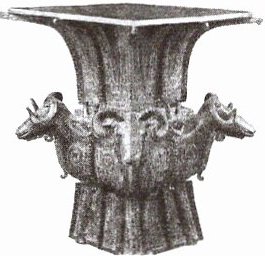
The zun stands 58.3 centimetres tall and w 3 about 34.5 kilograms. There are four goats on it because goats were one of the six domesticated(驯化的)animals(家畜) in ancient China. Moreover, the Chinese character "祥" which includes the character "羊" was considered gentle and l 4 .
视频学重难
Its discovery is just as fantastic as its design. In 1938, farmer Jiang Jingshu found it when he was planting potatoes. When the treasure came into view, everyone was s 5 at the huge and heavy vessel especially antique dealers(古董商人). It was sold, hidden, and was almost lost during a big war. Later, in an
air raid(空袭), the pot was damaged h 6
and broken into many pieces. Luckily, all the pieces were saved. In the 1950s, experts decided to restore(使……复原) the pot though it was a difficult task. First, all the broken pieces were mixed together so the experts had to d 7
them into different groups carefully, then put them back together. They worked very hard for a long time to complete the task. Thanks to their efforts, they m 8 to restore the zun to its original(最初的) beauty. The s 9 of the restoration was a happy moment for everyone. It is not just an old work of art, but also shows the g 10 of ancient Chinese art and reminds us of our wonderful history.
1.
2.
3.
4.
5.
6.
7.
8.
9.
10.
More than 3,000 years ago, during the late Shang Dynasty, ancient Chinese people c 1 a bronze vessel(青铜器)which still amazes us today. This treasure is called the Shang Siyang Bronze Square Zun(四羊方尊). People m 2 used it to hold wine in some important events. Among all the zuns, this one is the largest square-shaped piece at that time. Today, it is displayed in the National Museum of China in Beijing.
The zun stands 58.3 centimetres tall and w 3 about 34.5 kilograms. There are four goats on it because goats were one of the six domesticated(驯化的)animals(家畜) in ancient China. Moreover, the Chinese character "祥" which includes the character "羊" was considered gentle and l 4 .
视频学重难
Its discovery is just as fantastic as its design. In 1938, farmer Jiang Jingshu found it when he was planting potatoes. When the treasure came into view, everyone was s 5 at the huge and heavy vessel especially antique dealers(古董商人). It was sold, hidden, and was almost lost during a big war. Later, in an
air raid(空袭), the pot was damaged h 6
and broken into many pieces. Luckily, all the pieces were saved. In the 1950s, experts decided to restore(使……复原) the pot though it was a difficult task. First, all the broken pieces were mixed together so the experts had to d 7
them into different groups carefully, then put them back together. They worked very hard for a long time to complete the task. Thanks to their efforts, they m 8 to restore the zun to its original(最初的) beauty. The s 9 of the restoration was a happy moment for everyone. It is not just an old work of art, but also shows the g 10 of ancient Chinese art and reminds us of our wonderful history.
1.
2.
3.
4.
5.
6.
7.
8.
9.
10.
答案
1. created 2. mainly 3. weighs 4. lucky 5. surprised
解析
【解析】
1. 结合语境“三千多年前商朝晚期,古中国人______一件青铜器,它至今仍让我们惊叹”,首字母为c,对应单词created(创造,此处用一般过去时符合过去的时间背景)。
2. 结合语境“人们______在重要场合用它盛酒”,首字母为m,对应副词mainly(主要地)修饰动词use。
3. 结合语境“这个尊高58.3厘米,______约34.5千克”,首字母为w,对应动词weighs(重量为,主语是单数,用一般现在时的第三人称单数形式)。
4. 结合语境“包含‘羊’的汉字‘祥’被认为是温和且______的”,首字母为l,对应形容词lucky(吉祥的、幸运的,符合“祥”的寓意)。
5. 结合语境“当宝物映入眼帘时,所有人都对这个又大又重的器物感到______”,首字母为s,固定搭配be surprised at表示“对……感到惊讶”,对应单词surprised。
【答案】
1. created
2. mainly
3. weighs
4. lucky
5. surprised
【知识点】
首字母填空
语篇语境理解
词汇变形运用
【点评】
本题是语篇类首字母填空,依托四羊方尊的文化背景考查学生结合上下文语境推断词汇、正确使用词形的能力,既巩固了核心词汇,也渗透了传统文化常识,难度梯度平缓。
【难度系数】
0.7
1. 结合语境“三千多年前商朝晚期,古中国人______一件青铜器,它至今仍让我们惊叹”,首字母为c,对应单词created(创造,此处用一般过去时符合过去的时间背景)。
2. 结合语境“人们______在重要场合用它盛酒”,首字母为m,对应副词mainly(主要地)修饰动词use。
3. 结合语境“这个尊高58.3厘米,______约34.5千克”,首字母为w,对应动词weighs(重量为,主语是单数,用一般现在时的第三人称单数形式)。
4. 结合语境“包含‘羊’的汉字‘祥’被认为是温和且______的”,首字母为l,对应形容词lucky(吉祥的、幸运的,符合“祥”的寓意)。
5. 结合语境“当宝物映入眼帘时,所有人都对这个又大又重的器物感到______”,首字母为s,固定搭配be surprised at表示“对……感到惊讶”,对应单词surprised。
【答案】
1. created
2. mainly
3. weighs
4. lucky
5. surprised
【知识点】
首字母填空
语篇语境理解
词汇变形运用
【点评】
本题是语篇类首字母填空,依托四羊方尊的文化背景考查学生结合上下文语境推断词汇、正确使用词形的能力,既巩固了核心词汇,也渗透了传统文化常识,难度梯度平缓。
【难度系数】
0.7
