

 登录
登录
C
Before air-conditioners were invented, southern China's skywells played a key role in keeping people's homes cool. Could they do it again today?
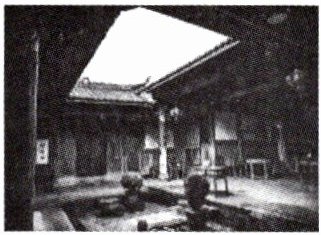
A skywell, or *tian jing*, is a typical part of traditional homes in southern and eastern China. Different from a northern Chinese courtyard, or *yuan zi*, it is smaller and less open to the outdoor environment. Its size and design differ from place to place.
Skywells were designed to cool buildings at a time well before air-conditioners appeared. When wind blows above a skywell house, it can enter the indoor space through the opening. Because outdoor air is often cooler than indoor air, the wind blows in and moves down the walls to the lower floors and creates airflow (气流) by taking the place of warmer indoor air, which rises and leaves through the opening.
Although skywell buildings have a history of hundreds of years in China, recently they have often been forgotten by people who prefer modern buildings. Over the past twenty years, however, skywell buildings have started to become popular again.
Yu Youhong, 55, has spent more than 30 years repairing skywell homes in Wuyuan of Jiangxi Province. One of the skywell homes repaired by Yu is in a small village in Wuyuan. The deserted 300-year-old house was bought by Edward Gawne, a man from the UK, and his Chinese wife in 2015. The couple turned the three-floor house into a 14-room hotel with the help of Yu. ▲ They are open and with natural airflow. Gawne says that even without air-conditioners, the skywell areas are very comfortable in summer.
Skywells will be more and more popular among younger generations. They match young people's ideas about environmental protection. In short, skywells will be important again in our lives.
()26. What do you know about skywells?
A. They have the same size and design.
B. They act as air-conditioners in summer.
C. They are commonly seen in northern China.
D. They are as small as northern Chinese courtyards.
()27. What is Paragraph 3 mainly about?
A. What skywells look like.
B. When shywells appeared.
C. How skywells cool buildings.
D. Why skywells are no longer popular.
()28. Which of the following can be put into "▲" in Paragraph 5?
A. They took away the skywells to make more space for guests.
B. They bought many air-conditioners to make the hotel cooler.
C. They drew pictures on the walls to make the hotel look nicer.
D. They kept the spaces around the skywells as they were before.
()29. What would be the best structure of the passage? (Paragraph 1 = ①...)

()30. In which part of a newspaper can we probably read this passage?
A. Culture and Life.
B. History and Trips.
C. Health and Sports.
D. Nature and Environment.
Before air-conditioners were invented, southern China's skywells played a key role in keeping people's homes cool. Could they do it again today?
A skywell, or *tian jing*, is a typical part of traditional homes in southern and eastern China. Different from a northern Chinese courtyard, or *yuan zi*, it is smaller and less open to the outdoor environment. Its size and design differ from place to place.
Skywells were designed to cool buildings at a time well before air-conditioners appeared. When wind blows above a skywell house, it can enter the indoor space through the opening. Because outdoor air is often cooler than indoor air, the wind blows in and moves down the walls to the lower floors and creates airflow (气流) by taking the place of warmer indoor air, which rises and leaves through the opening.
Although skywell buildings have a history of hundreds of years in China, recently they have often been forgotten by people who prefer modern buildings. Over the past twenty years, however, skywell buildings have started to become popular again.
Yu Youhong, 55, has spent more than 30 years repairing skywell homes in Wuyuan of Jiangxi Province. One of the skywell homes repaired by Yu is in a small village in Wuyuan. The deserted 300-year-old house was bought by Edward Gawne, a man from the UK, and his Chinese wife in 2015. The couple turned the three-floor house into a 14-room hotel with the help of Yu. ▲ They are open and with natural airflow. Gawne says that even without air-conditioners, the skywell areas are very comfortable in summer.
Skywells will be more and more popular among younger generations. They match young people's ideas about environmental protection. In short, skywells will be important again in our lives.
()26. What do you know about skywells?
A. They have the same size and design.
B. They act as air-conditioners in summer.
C. They are commonly seen in northern China.
D. They are as small as northern Chinese courtyards.
()27. What is Paragraph 3 mainly about?
A. What skywells look like.
B. When shywells appeared.
C. How skywells cool buildings.
D. Why skywells are no longer popular.
()28. Which of the following can be put into "▲" in Paragraph 5?
A. They took away the skywells to make more space for guests.
B. They bought many air-conditioners to make the hotel cooler.
C. They drew pictures on the walls to make the hotel look nicer.
D. They kept the spaces around the skywells as they were before.
()29. What would be the best structure of the passage? (Paragraph 1 = ①...)
()30. In which part of a newspaper can we probably read this passage?
A. Culture and Life.
B. History and Trips.
C. Health and Sports.
D. Nature and Environment.
答案
C
【文章大意】本文是一篇说明文。文章主要介绍了中国南方天井建筑的特点、功能、兴衰及复兴等相关情况。
26. B 细节理解题。根据“Skywells were designed to cool buildings at a time well before air - conditioners appeared.”可知,天井在夏天能起到类似空调的作用给建筑降温,故选 B。
27. C 段落大意题。根据第三段内容“When wind blows above a skywell house, it can enter the indoor space through the opening... creates airflow”可知,该段主要讲述了天井是如何给建筑降温的,故选 C。
28. D 补全文章题。根据“They are open and with natural airflow. Gawne says that even without air - conditioners, the skywell areas are very comfortable in summer.”可知,他们保留了天井周围的空间,使其保持自然通风状态,故选 D。
29. A 篇章结构题。根据文章内容可知,本文第一段提出问题,引出天井建筑;中间段落分别介绍天井建筑的特点、功能、兴衰及复兴等具体情况;最后一段总结天井建筑会再次变得重要起来。整体是总—分—总结构,①是总起,②③④⑤分述,⑥总结,故选 A。
30. A 文章出处题。根据文章主要内容可知,本文介绍了中国传统建筑天井,涉及文化和生活方面内容,最有可能出现在报纸的“文化与生活”版块,故选 A。
【文章大意】本文是一篇说明文。文章主要介绍了中国南方天井建筑的特点、功能、兴衰及复兴等相关情况。
26. B 细节理解题。根据“Skywells were designed to cool buildings at a time well before air - conditioners appeared.”可知,天井在夏天能起到类似空调的作用给建筑降温,故选 B。
27. C 段落大意题。根据第三段内容“When wind blows above a skywell house, it can enter the indoor space through the opening... creates airflow”可知,该段主要讲述了天井是如何给建筑降温的,故选 C。
28. D 补全文章题。根据“They are open and with natural airflow. Gawne says that even without air - conditioners, the skywell areas are very comfortable in summer.”可知,他们保留了天井周围的空间,使其保持自然通风状态,故选 D。
29. A 篇章结构题。根据文章内容可知,本文第一段提出问题,引出天井建筑;中间段落分别介绍天井建筑的特点、功能、兴衰及复兴等具体情况;最后一段总结天井建筑会再次变得重要起来。整体是总—分—总结构,①是总起,②③④⑤分述,⑥总结,故选 A。
30. A 文章出处题。根据文章主要内容可知,本文介绍了中国传统建筑天井,涉及文化和生活方面内容,最有可能出现在报纸的“文化与生活”版块,故选 A。
解析
【分析】
1. 第26题:这是细节理解题,解题时需逐一核对选项与原文信息。A选项与原文“Its size and design differ from place to place.”矛盾;C选项与“A skywell... is a typical part of traditional homes in southern and eastern China.”不符;D选项与“Different from a northern Chinese courtyard... it is smaller”相悖;根据“Skywells were designed to cool buildings at a time well before air - conditioners appeared.”可知天井在夏天能起到类似空调的降温作用,故B正确。
2. 第27题:这是段落大意题,需梳理第三段核心内容。第三段详细描述了风通过天井进入室内,借助冷热空气对流形成气流实现降温的过程,核心是天井的降温原理,因此选C。
3. 第28题:这是补全内容题,需结合上下文语境判断。后文提到“They are open and with natural airflow. even without air - conditioners, the skywell areas are very comfortable”,说明修复后保留了天井的通风结构,D选项“保留天井周围空间原样”符合语境,其他选项均与后文描述矛盾。
4. 第29题:这是篇章结构题,需梳理文章整体逻辑。文章①段提出问题引出天井;②-⑤段分别介绍天井的特点、降温功能、兴衰及修复案例;⑥段总结天井会再次重要,是总-分-总结构,对应选项A。
5. 第30题:这是文章出处题,需结合文章主题判断。文章围绕传统建筑天井展开,涉及传统文化与生活居住内容,最适合出现在“文化与生活”版块,故选A。
【解析】
26. 细节理解题。根据文章第三段第一句“Skywells were designed to cool buildings at a time well before air - conditioners appeared.”可知,天井在空调出现前就被设计用来给建筑降温,在夏天能起到类似空调的作用,因此B选项正确。A选项与原文“Its size and design differ from place to place.”不符;C选项与“A skywell... is a typical part of traditional homes in southern and eastern China.”不符;D选项与“Different from a northern Chinese courtyard... it is smaller”不符,故排除A、C、D。
27. 段落大意题。第三段详细阐述了风如何通过天井进入室内,利用冷热空气的对流形成气流,从而实现给建筑降温的过程,核心是介绍天井给建筑降温的原理,因此选C。
28. 补全文章题。根据后文“They are open and with natural airflow. Gawne says that even without air-conditioners, the skywell areas are very comfortable in summer.”可知,修复后的天井区域保持了良好的通风性,无需空调也能保持凉爽,说明他们保留了天井周围的空间原样,D选项符合语境。A选项“移除天井”、B选项“购买空调”、C选项“在墙上绘画”均与后文描述矛盾,故排除。
29. 篇章结构题。文章①段提出问题,引出天井这一传统建筑;②段介绍天井的定义、分布及与北方庭院的区别;③段讲解天井的降温功能;④段说明天井曾被人们遗忘;⑤段列举修复天井建筑的实际案例;⑥段总结天井会再次在生活中发挥重要作用。整体呈现总—分—总结构(①总起,②③④⑤分述,⑥总结),对应选项A。
30. 文章出处题。本文介绍了中国传统建筑天井的特点、降温功能、兴衰历程及复兴趋势,涉及传统文化与生活居住相关内容,最有可能出现在报纸的“文化与生活”版块,故选A。B选项“历史与旅行”、C选项“健康与运动”、D选项“自然与环境”均与文章主题不符。
【答案】
26. B
27. C
28. D
29. A
30. A
【知识点】
细节理解题解法、段落大意归纳、篇章结构分析、文章出处判断
【点评】
本文围绕中国传统建筑“天井”展开,题目覆盖阅读理解常见题型,考查学生对细节信息的抓取、段落主旨的提炼、篇章逻辑的梳理以及文章主题与版块匹配的判断能力。解题时需紧密结合原文内容,运用对应题型的解题技巧逐一分析选项,排除干扰项。
【难度系数】
0.6
1. 第26题:这是细节理解题,解题时需逐一核对选项与原文信息。A选项与原文“Its size and design differ from place to place.”矛盾;C选项与“A skywell... is a typical part of traditional homes in southern and eastern China.”不符;D选项与“Different from a northern Chinese courtyard... it is smaller”相悖;根据“Skywells were designed to cool buildings at a time well before air - conditioners appeared.”可知天井在夏天能起到类似空调的降温作用,故B正确。
2. 第27题:这是段落大意题,需梳理第三段核心内容。第三段详细描述了风通过天井进入室内,借助冷热空气对流形成气流实现降温的过程,核心是天井的降温原理,因此选C。
3. 第28题:这是补全内容题,需结合上下文语境判断。后文提到“They are open and with natural airflow. even without air - conditioners, the skywell areas are very comfortable”,说明修复后保留了天井的通风结构,D选项“保留天井周围空间原样”符合语境,其他选项均与后文描述矛盾。
4. 第29题:这是篇章结构题,需梳理文章整体逻辑。文章①段提出问题引出天井;②-⑤段分别介绍天井的特点、降温功能、兴衰及修复案例;⑥段总结天井会再次重要,是总-分-总结构,对应选项A。
5. 第30题:这是文章出处题,需结合文章主题判断。文章围绕传统建筑天井展开,涉及传统文化与生活居住内容,最适合出现在“文化与生活”版块,故选A。
【解析】
26. 细节理解题。根据文章第三段第一句“Skywells were designed to cool buildings at a time well before air - conditioners appeared.”可知,天井在空调出现前就被设计用来给建筑降温,在夏天能起到类似空调的作用,因此B选项正确。A选项与原文“Its size and design differ from place to place.”不符;C选项与“A skywell... is a typical part of traditional homes in southern and eastern China.”不符;D选项与“Different from a northern Chinese courtyard... it is smaller”不符,故排除A、C、D。
27. 段落大意题。第三段详细阐述了风如何通过天井进入室内,利用冷热空气的对流形成气流,从而实现给建筑降温的过程,核心是介绍天井给建筑降温的原理,因此选C。
28. 补全文章题。根据后文“They are open and with natural airflow. Gawne says that even without air-conditioners, the skywell areas are very comfortable in summer.”可知,修复后的天井区域保持了良好的通风性,无需空调也能保持凉爽,说明他们保留了天井周围的空间原样,D选项符合语境。A选项“移除天井”、B选项“购买空调”、C选项“在墙上绘画”均与后文描述矛盾,故排除。
29. 篇章结构题。文章①段提出问题,引出天井这一传统建筑;②段介绍天井的定义、分布及与北方庭院的区别;③段讲解天井的降温功能;④段说明天井曾被人们遗忘;⑤段列举修复天井建筑的实际案例;⑥段总结天井会再次在生活中发挥重要作用。整体呈现总—分—总结构(①总起,②③④⑤分述,⑥总结),对应选项A。
30. 文章出处题。本文介绍了中国传统建筑天井的特点、降温功能、兴衰历程及复兴趋势,涉及传统文化与生活居住相关内容,最有可能出现在报纸的“文化与生活”版块,故选A。B选项“历史与旅行”、C选项“健康与运动”、D选项“自然与环境”均与文章主题不符。
【答案】
26. B
27. C
28. D
29. A
30. A
【知识点】
细节理解题解法、段落大意归纳、篇章结构分析、文章出处判断
【点评】
本文围绕中国传统建筑“天井”展开,题目覆盖阅读理解常见题型,考查学生对细节信息的抓取、段落主旨的提炼、篇章逻辑的梳理以及文章主题与版块匹配的判断能力。解题时需紧密结合原文内容,运用对应题型的解题技巧逐一分析选项,排除干扰项。
【难度系数】
0.6
