

 登录
登录
六、[核心素养]阅读理解。
人与社会——社会服务与人际沟通
Everybody enjoys acts of kindness. Some people think kindness is something out of love and care, while others believe it is just a tool that we use to become more popular. But research shows that being kind can activate(激活)an area of the brain called the striatum. Research also shows that kindness improves people's mood(情绪). But why and how does it happen? Here are a number of different answers.
Being kind can make someone smile. If you see yourself smile in a situation, people around you may be smiling too. This is especially true for your close friends and family. A kind act makes someone who is sad feel better. It can also make us feel good. So why not set off that chain of good feelings to people around?
Secondly, being kind starts or develops a social connection with others. Kind acts like buying someone a present make friendships stronger. Research has shown that spending money on others may help you get a stronger feeling of happiness than spending it on yourself. Similarly, charities also open up new circles of people to connect with someone on the other side of the world.
In the recent research, even children in their first year of secondary school know how being kind makes them feel happy. If one person is kind, he or she will make others in the group kind. It also lifts everyone's spirits. If you make cakes for the office, it will make others do it each month. Then you're getting cakes a lot more days than providing them.
The story doesn't end here. Being kind may improve your mood, but research has also shown that if you're in a good mood, you can act much more kindly. This makes it a wonderful two - way relationship, doesn't it?
1. The writer leads in the topic by
A. telling a story
B. asking a question
C. giving an example
D. making a survey
2. The underlined word "It" in Paragraph 2 refers to "
A. The situation
B. The family
C. The kind act
D. That chain
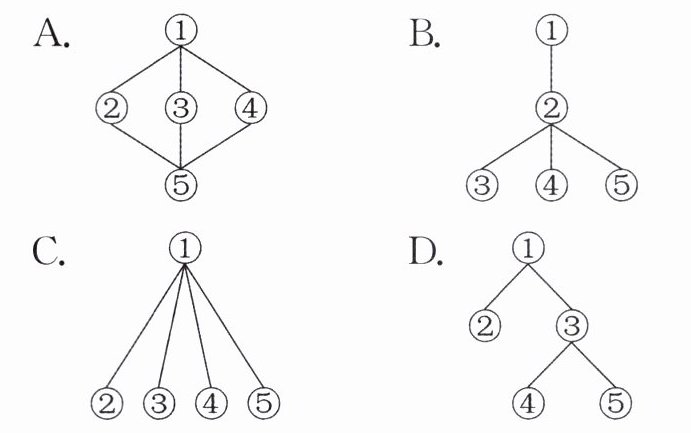
3. 创新考法·篇章结构 Which of the following best shows the structure of the passage?
4. If you were an editor(编辑), you'd put the above passage in "
A. Science
B. Wealth
C. Invention
D. Education
人与社会——社会服务与人际沟通
Everybody enjoys acts of kindness. Some people think kindness is something out of love and care, while others believe it is just a tool that we use to become more popular. But research shows that being kind can activate(激活)an area of the brain called the striatum. Research also shows that kindness improves people's mood(情绪). But why and how does it happen? Here are a number of different answers.
Being kind can make someone smile. If you see yourself smile in a situation, people around you may be smiling too. This is especially true for your close friends and family. A kind act makes someone who is sad feel better. It can also make us feel good. So why not set off that chain of good feelings to people around?
Secondly, being kind starts or develops a social connection with others. Kind acts like buying someone a present make friendships stronger. Research has shown that spending money on others may help you get a stronger feeling of happiness than spending it on yourself. Similarly, charities also open up new circles of people to connect with someone on the other side of the world.
In the recent research, even children in their first year of secondary school know how being kind makes them feel happy. If one person is kind, he or she will make others in the group kind. It also lifts everyone's spirits. If you make cakes for the office, it will make others do it each month. Then you're getting cakes a lot more days than providing them.
The story doesn't end here. Being kind may improve your mood, but research has also shown that if you're in a good mood, you can act much more kindly. This makes it a wonderful two - way relationship, doesn't it?
1. The writer leads in the topic by
B
.A. telling a story
B. asking a question
C. giving an example
D. making a survey
2. The underlined word "It" in Paragraph 2 refers to "
C
".A. The situation
B. The family
C. The kind act
D. That chain
3. 创新考法·篇章结构 Which of the following best shows the structure of the passage?
4. If you were an editor(编辑), you'd put the above passage in "
A
" of a newspaper.A. Science
B. Wealth
C. Invention
D. Education
答案
六、1. B 细节理解题。根据“But why and how does it happen?”可知,作者通过提问来引出这个话题。
2. C 代词指代题。根据“A kind act makes someone who is sad feel better. It can also make us feel good.”可知,善举会让悲伤的人感觉好一些,它也能让我们感觉良好。此处 It 指的是“善举”。
3. C 篇章结构题。第一段设问,引出文章主题;第二、三、四、五段分别介绍善良让人微笑、善良能开始或发展与他人的社会联系、善良能提升每个人的精神以及善良可能会改善你的情绪。全文是总分结构。
4. A 推理判断题。本文是一篇说明文,向我们介绍研究表明善良可以改善人们的情绪。故本文应该出现在“科学”版块。
2. C 代词指代题。根据“A kind act makes someone who is sad feel better. It can also make us feel good.”可知,善举会让悲伤的人感觉好一些,它也能让我们感觉良好。此处 It 指的是“善举”。
3. C 篇章结构题。第一段设问,引出文章主题;第二、三、四、五段分别介绍善良让人微笑、善良能开始或发展与他人的社会联系、善良能提升每个人的精神以及善良可能会改善你的情绪。全文是总分结构。
4. A 推理判断题。本文是一篇说明文,向我们介绍研究表明善良可以改善人们的情绪。故本文应该出现在“科学”版块。
解析
【分析】
这是一篇科普说明类阅读理解,解题时可以逐题按对应思路推导:
1. 第一题判断开篇引入方式:先定位到文章首段末尾,找到作者提出的问题"But why and how does it happen?",直接对应提问引入的方式,排除讲故事、举实例、做调查的其余选项即可。
2. 第二题判断代词指代:遇到指代题直接往划线词的前句找核心主语,前句刚提到"A kind act makes someone who is sad feel better",逻辑上“善举既让难过的人好转,也让我们自己感觉良好”完全通顺,就能确定it的指代对象。
3. 第三题梳理篇章结构:先拆分全文段落功能:第1段是总起部分,用设问引出“善良为什么能改善情绪”的核心主题;第2、3、4、5段是四个完全并列的分论点,分别从不同角度解释善良提升情绪的原理,属于典型的“总-分”结构,总段直接统领四个并列的分述段落,对应选项C的树状图。
4. 第四题判断文章所属板块:全文多次提到相关科研结论,围绕大脑、行为对情绪的影响展开研究说明,不属于财富、发明、教育类内容,对应科学板块即可。
【解析】
1. 细节理解题:根据首段末尾"But why and how does it happen?"可知,作者通过提出问题的方式引出“善良改善情绪的原理”这一核心话题,对应选项B。
2. 代词指代题:定位划线词所在的第二段,前一句表述为"A kind act makes someone who is sad feel better. It can also make us feel good",前后句语义顺承,it指代前句的核心描述对象a kind act(善举),对应选项C。
3. 篇章结构题:全文第一段总起,通过设问引出文章核心主题;第2到第5段分别从“善举带来正向情绪连锁反应、善举拓展社会联结、善举带动群体正向氛围、善意和好心情双向促进”四个并列维度展开说明,是典型的总分结构,总段直接统领四个并列的分述段落,对应选项C。
4. 推理判断题:文章围绕科研结论展开,介绍了关于善意对大脑、情绪的作用的相关研究内容,属于科普类内容,因此会出现在报纸的科学板块,对应选项A。
【答案】
1. B 2. C 3. C 4. A
【知识点】
阅读理解细节定位,代词指代辨析,篇章结构梳理
【点评】
本题贴合“人与社会”的核心素养主题,既考察了学生基础的阅读信息查找能力,也通过篇章结构类创新题型考察了学生的文本逻辑梳理能力,难度梯度设置合理,同时传递了正向的价值观,引导学生感知善意的积极作用。
【难度系数】
0.7
这是一篇科普说明类阅读理解,解题时可以逐题按对应思路推导:
1. 第一题判断开篇引入方式:先定位到文章首段末尾,找到作者提出的问题"But why and how does it happen?",直接对应提问引入的方式,排除讲故事、举实例、做调查的其余选项即可。
2. 第二题判断代词指代:遇到指代题直接往划线词的前句找核心主语,前句刚提到"A kind act makes someone who is sad feel better",逻辑上“善举既让难过的人好转,也让我们自己感觉良好”完全通顺,就能确定it的指代对象。
3. 第三题梳理篇章结构:先拆分全文段落功能:第1段是总起部分,用设问引出“善良为什么能改善情绪”的核心主题;第2、3、4、5段是四个完全并列的分论点,分别从不同角度解释善良提升情绪的原理,属于典型的“总-分”结构,总段直接统领四个并列的分述段落,对应选项C的树状图。
4. 第四题判断文章所属板块:全文多次提到相关科研结论,围绕大脑、行为对情绪的影响展开研究说明,不属于财富、发明、教育类内容,对应科学板块即可。
【解析】
1. 细节理解题:根据首段末尾"But why and how does it happen?"可知,作者通过提出问题的方式引出“善良改善情绪的原理”这一核心话题,对应选项B。
2. 代词指代题:定位划线词所在的第二段,前一句表述为"A kind act makes someone who is sad feel better. It can also make us feel good",前后句语义顺承,it指代前句的核心描述对象a kind act(善举),对应选项C。
3. 篇章结构题:全文第一段总起,通过设问引出文章核心主题;第2到第5段分别从“善举带来正向情绪连锁反应、善举拓展社会联结、善举带动群体正向氛围、善意和好心情双向促进”四个并列维度展开说明,是典型的总分结构,总段直接统领四个并列的分述段落,对应选项C。
4. 推理判断题:文章围绕科研结论展开,介绍了关于善意对大脑、情绪的作用的相关研究内容,属于科普类内容,因此会出现在报纸的科学板块,对应选项A。
【答案】
1. B 2. C 3. C 4. A
【知识点】
阅读理解细节定位,代词指代辨析,篇章结构梳理
【点评】
本题贴合“人与社会”的核心素养主题,既考察了学生基础的阅读信息查找能力,也通过篇章结构类创新题型考察了学生的文本逻辑梳理能力,难度梯度设置合理,同时传递了正向的价值观,引导学生感知善意的积极作用。
【难度系数】
0.7
