

 登录
登录
B
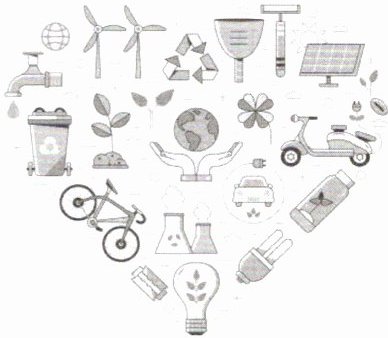
Living green is all about reducing resources you use, reusing items when you can, and recycling things that can't be reused. If you want to live green, here are practical steps to follow:
First, learn more about green living. The first step is to understand how our daily habits affect the environment. Educate yourself on simple ways to reduce waste, save energy, and make eco-friendly choices.
Second, choose eco-friendly foods. The food we eat affects the environment. For example, food grown nearby doesn't need to travel far, so it causes less air pollution. Besides, organic (有机的) farming avoids using pesticides (杀虫剂) that are bad for plants and animals. As a result, eating local and organic food is good for both the Earth and your health!
Next, spend your money wisely. On the one hand, avoid buying things with too much packaging (包装). The packaging creates trash and hurts the environment. Even if you recycle the package, it's still an unnecessary waste of resources. On the other hand, you can try to buy second-hand things instead of buying new ones. When you really want to buy things you don't need, remember to borrow one, buy one from your favorite online resale shops or check flea markets (跳蚤市场). What's more, choosing green travel is also important. If you don't have a new-energy car at the moment, you can take other steps. You can walk or ride a bike to work. If the place you want to go is too far for a daily bicycle, you can take public transport.
Waste sorting is also important. By sorting waste into different groups like recyclables, kitchen waste, and harmful waste, we can reduce pollution. Sorting also helps communities. Cleaner streets and less burning trash mean cleaner air for everyone.
(
A. By asking a question. B. By explaining a phrase.
C. By listing numbers. D. By giving an example.
(
A. It is cheaper to cook. B. It is better for the environment.
C. It is cheaper. D. It tastes better.
(
A. Pick organic food even if it's more expensive.
B. Always choose products with reasonable packaging.
C. Always choose the cheapest products to save money.
D. Avoid extra packaging and buy second-hand things.
(
A. It is mainly for short trips. B. It is fitter for long distances than a bicycle.
C. It's more convenient than walking. D. It is cheaper than a new-energy car.
(
A. Why sorting trash is important.
B. How to cook food with no waste left behind.
C. What happens to trash after being collected.
D. How to reduce pollution by sorting waste.
Living green is all about reducing resources you use, reusing items when you can, and recycling things that can't be reused. If you want to live green, here are practical steps to follow:
First, learn more about green living. The first step is to understand how our daily habits affect the environment. Educate yourself on simple ways to reduce waste, save energy, and make eco-friendly choices.
Second, choose eco-friendly foods. The food we eat affects the environment. For example, food grown nearby doesn't need to travel far, so it causes less air pollution. Besides, organic (有机的) farming avoids using pesticides (杀虫剂) that are bad for plants and animals. As a result, eating local and organic food is good for both the Earth and your health!
Next, spend your money wisely. On the one hand, avoid buying things with too much packaging (包装). The packaging creates trash and hurts the environment. Even if you recycle the package, it's still an unnecessary waste of resources. On the other hand, you can try to buy second-hand things instead of buying new ones. When you really want to buy things you don't need, remember to borrow one, buy one from your favorite online resale shops or check flea markets (跳蚤市场). What's more, choosing green travel is also important. If you don't have a new-energy car at the moment, you can take other steps. You can walk or ride a bike to work. If the place you want to go is too far for a daily bicycle, you can take public transport.
Waste sorting is also important. By sorting waste into different groups like recyclables, kitchen waste, and harmful waste, we can reduce pollution. Sorting also helps communities. Cleaner streets and less burning trash mean cleaner air for everyone.
(
B
) 5. How did the writer start the passage?A. By asking a question. B. By explaining a phrase.
C. By listing numbers. D. By giving an example.
(
B
) 6. Why is it better to choose local food according to the passage?A. It is cheaper to cook. B. It is better for the environment.
C. It is cheaper. D. It tastes better.
(
D
) 7. What does the author suggest about shopping habits?A. Pick organic food even if it's more expensive.
B. Always choose products with reasonable packaging.
C. Always choose the cheapest products to save money.
D. Avoid extra packaging and buy second-hand things.
(
B
) 8. What is the author's opinion on public transportation?A. It is mainly for short trips. B. It is fitter for long distances than a bicycle.
C. It's more convenient than walking. D. It is cheaper than a new-energy car.
(
A
) 9. What is the main idea of the last paragraph?A. Why sorting trash is important.
B. How to cook food with no waste left behind.
C. What happens to trash after being collected.
D. How to reduce pollution by sorting waste.
答案
5.B 6.B 7.D 8.B 9.A
解析
【分析】
这是一篇环保主题的说明文阅读理解,解题时首先通读全文梳理文章脉络,再针对每个题干精准定位到原文对应段落,将选项表述和原文内容逐一比对,排除无中生有、表述不符的干扰项即可得出答案:第5题直接看开篇内容判断作者的开篇方式,第6题定位到介绍环保食物的段落找本地食物的优势,第7题定位到理性消费的段落找作者给出的购物建议,第8题定位到绿色出行部分找公共交通的相关描述,第9题梳理最后一段的全部内容判断其核心主旨。
【解析】
5. 文章开篇第一句就对"Living green(绿色生活)"这个短语的含义作出了解释,说明绿色生活的核心是减少资源消耗、重复利用物品、回收可回收物,作者是通过解释一个短语开启全文的,其余选项“提问题、列数字、举例子”均不符合开篇特征,因此选B。
6. 定位到介绍环保食物的第二段,原文明确说明本地种植的食物不需要长途运输,产生的空气污染更少,因此选择本地食物对环境更友好,其余选项“更便宜好烹饪、更便宜、口感更好”在文中均无提及,因此选B。
7. 定位到介绍理性消费的段落,作者明确给出两点购物相关建议:一是避免购买过度包装的商品,二是可以选购二手物品代替全新商品,其余选项均不符合原文表述,因此选D。
8. 定位到绿色出行相关内容,原文说明“如果目的地远到骑自行车无法抵达,你可以选择乘坐公共交通”,说明公共交通相比自行车更适配长距离出行的场景,其余选项在文中无对应依据,因此选B。
9. 最后一段从减少污染、优化社区环境、提升空气质量等多个角度,全部围绕垃圾分类的好处与重要性展开论述,核心是解释为什么垃圾分类很重要,因此选A。
【答案】
5.B 6.B 7.D 8.B 9.A
【知识点】
阅读理解细节查找,阅读理解主旨归纳,环保类文本阅读
【点评】
本题属于生活化的科普说明文阅读,绝大多数题目都可以通过原文直接定位得到答案,整体没有设置过难的干扰项,学生解题时只要紧扣原文内容,不主观添加文中没有的信息,就可以顺利选出正确答案,同时也能帮助学生了解绿色生活的相关实用常识。
【难度系数】
0.7
这是一篇环保主题的说明文阅读理解,解题时首先通读全文梳理文章脉络,再针对每个题干精准定位到原文对应段落,将选项表述和原文内容逐一比对,排除无中生有、表述不符的干扰项即可得出答案:第5题直接看开篇内容判断作者的开篇方式,第6题定位到介绍环保食物的段落找本地食物的优势,第7题定位到理性消费的段落找作者给出的购物建议,第8题定位到绿色出行部分找公共交通的相关描述,第9题梳理最后一段的全部内容判断其核心主旨。
【解析】
5. 文章开篇第一句就对"Living green(绿色生活)"这个短语的含义作出了解释,说明绿色生活的核心是减少资源消耗、重复利用物品、回收可回收物,作者是通过解释一个短语开启全文的,其余选项“提问题、列数字、举例子”均不符合开篇特征,因此选B。
6. 定位到介绍环保食物的第二段,原文明确说明本地种植的食物不需要长途运输,产生的空气污染更少,因此选择本地食物对环境更友好,其余选项“更便宜好烹饪、更便宜、口感更好”在文中均无提及,因此选B。
7. 定位到介绍理性消费的段落,作者明确给出两点购物相关建议:一是避免购买过度包装的商品,二是可以选购二手物品代替全新商品,其余选项均不符合原文表述,因此选D。
8. 定位到绿色出行相关内容,原文说明“如果目的地远到骑自行车无法抵达,你可以选择乘坐公共交通”,说明公共交通相比自行车更适配长距离出行的场景,其余选项在文中无对应依据,因此选B。
9. 最后一段从减少污染、优化社区环境、提升空气质量等多个角度,全部围绕垃圾分类的好处与重要性展开论述,核心是解释为什么垃圾分类很重要,因此选A。
【答案】
5.B 6.B 7.D 8.B 9.A
【知识点】
阅读理解细节查找,阅读理解主旨归纳,环保类文本阅读
【点评】
本题属于生活化的科普说明文阅读,绝大多数题目都可以通过原文直接定位得到答案,整体没有设置过难的干扰项,学生解题时只要紧扣原文内容,不主观添加文中没有的信息,就可以顺利选出正确答案,同时也能帮助学生了解绿色生活的相关实用常识。
【难度系数】
0.7
