

 登录
登录
三、完形填空
Once upon a time, there was a king (国王) who loved his only son. But the prince (王子) never 1 to be happy. He would spend days looking out of his window, without 2 anything. The king asked the smartest men to find a way to deal with this problem. After thinking about it carefully, they came back with their 3: to find a happy man and exchange his 4 with the prince's.
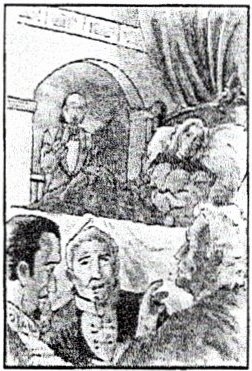
The king sent out people to look for this person, but failed. He even asked a neighboring king for help, because everyone said he was 5. But the neighboring king said, "I'm not happy. I am worrying that one day I will 6 this wonderful world."
A few days later, while the king was out hunting, he heard a man singing 7. He was attracted by the song and found a young man sitting in a garden. "My friend! Would you like to work in my palace?" he asked.
"Thank you, sir, but I wouldn't go there," the young man said.
The king was surprised, "A young man like you should love such a(n) 8 job."
"Because I want 9 more than I have. I won't be happier even if I have more 10."
The king's eyes brightened. "Can you help me? Give me something and I'll give you whatever you want!" He explained (解释) what he was doing and the young man was glad to help, but as the king began to unbutton the young man's jacket, he suddenly stopped: The happy man was not wearing a shirt!
(
(
(
(
(
(
(
(
(
(
Once upon a time, there was a king (国王) who loved his only son. But the prince (王子) never 1 to be happy. He would spend days looking out of his window, without 2 anything. The king asked the smartest men to find a way to deal with this problem. After thinking about it carefully, they came back with their 3: to find a happy man and exchange his 4 with the prince's.
The king sent out people to look for this person, but failed. He even asked a neighboring king for help, because everyone said he was 5. But the neighboring king said, "I'm not happy. I am worrying that one day I will 6 this wonderful world."
A few days later, while the king was out hunting, he heard a man singing 7. He was attracted by the song and found a young man sitting in a garden. "My friend! Would you like to work in my palace?" he asked.
"Thank you, sir, but I wouldn't go there," the young man said.
The king was surprised, "A young man like you should love such a(n) 8 job."
"Because I want 9 more than I have. I won't be happier even if I have more 10."
The king's eyes brightened. "Can you help me? Give me something and I'll give you whatever you want!" He explained (解释) what he was doing and the young man was glad to help, but as the king began to unbutton the young man's jacket, he suddenly stopped: The happy man was not wearing a shirt!
(
C
) 1. A. agreed B. planned C. seemed D. hoped(
D
) 2. A. eating B. drinking C. drawing D. saying(
B
) 3. A. gift B. advice C. design D. dream(
D
) 4. A. life B. jacket C. heart D. shirt(
B
) 5. A. smart B. happy C. lucky D. helpful(
C
) 6. A. protect B. change C. leave D. build(
D
) 7. A. quickly B. politely C. sadly D. happily(
B
) 8. A. tiring B. amazing C. popular D. important(
A
) 9. A. nothing B. something C. anything D. everything(
A
) 10. A. money B. time C. work D. energy答案
1.C 2.D 3.B 4.D 5.B 6.C 7.D 8.B 9.A 10.A
解析
【分析】
这是一篇寓言故事类完形填空,解题时首先要通读全文梳理故事主线:王子一直闷闷不乐,智者给出的解决方案是找到真正快乐的人,把他的衬衫和王子的交换,最终国王找到知足的年轻人,却发现最快乐的人根本没有穿衬衫。之后逐空结合上下文语境、前后文的呼应线索、词义辨析来匹配选项,遇到暂时不确定的空可以先跳过,等读到后文的提示信息后再回头验证,就能快速选出正确答案。
【解析】
1. 后文描述王子整日望着窗外、状态低落,说明他“似乎”从来都不开心,A.同意、B.计划、D.希望都不符合语境,选C。
2. 王子整日望着窗外情绪低落,对应他什么话都不说,A.吃、B.喝、C.画画都不符合他低落的状态,选D。
3. 前文国王召集国内最聪明的人想办法解决王子不开心的难题,他们给出的是对应的建议,A.礼物、C.设计、D.梦想都不符合语境,选B。
4. 文章最后一段提到国王准备解开年轻人的夹克,才发现这个快乐的人根本没有穿衬衫,前后内容呼应,这里的方案就是交换衬衫,选D。
5. 国王派人寻找快乐的人失败后向邻国国王求助,正是因为所有人都传言邻国国王很快乐,和后文邻国国王坦言自己不开心形成对应,选B。
6. 邻国国王说自己并不快乐,他一直担忧有一天会离开这个美好的世界,A.保护、B.改变、D.建造都不符合语义,选C。
7. 国王被歌声吸引,找到的是真正知足快乐的年轻人,所以他是开心地唱歌,A.快速地、B.礼貌地、C.悲伤地都不符合人物状态,选D。
8. 国王认为在王宫工作是非常棒、待遇极好的工作,amazing(令人惊喜的、极好的)符合语境,A.劳累的、C.流行的、D.重要的都不符合国王对王宫工作的认知,选B。
9. 年轻人表示自己没有任何想要额外获取的东西,知足常乐,nothing more表示“没有什么比当下拥有的更想要”,符合语义,选A。
10. 句意表达年轻人的观点:就算我拥有再多的钱,我也不会变得更快乐,对应王宫工作能带来的财富回报,选A。
【答案】
1.C 2.D 3.B 4.D 5.B 6.C 7.D 8.B 9.A 10.A
【知识点】
语境逻辑推断,词义辨析,故事文本阅读
【点评】
本题属于典型的中小学寓言类完形填空,情节连贯,前后文有多处明确的呼应提示,核心考察学生结合上下文线索选择匹配选项的能力,没有设置偏难怪的词义辨析陷阱,学生只要读懂故事大意就能顺利完成大部分题目。
【难度系数】
0.7
这是一篇寓言故事类完形填空,解题时首先要通读全文梳理故事主线:王子一直闷闷不乐,智者给出的解决方案是找到真正快乐的人,把他的衬衫和王子的交换,最终国王找到知足的年轻人,却发现最快乐的人根本没有穿衬衫。之后逐空结合上下文语境、前后文的呼应线索、词义辨析来匹配选项,遇到暂时不确定的空可以先跳过,等读到后文的提示信息后再回头验证,就能快速选出正确答案。
【解析】
1. 后文描述王子整日望着窗外、状态低落,说明他“似乎”从来都不开心,A.同意、B.计划、D.希望都不符合语境,选C。
2. 王子整日望着窗外情绪低落,对应他什么话都不说,A.吃、B.喝、C.画画都不符合他低落的状态,选D。
3. 前文国王召集国内最聪明的人想办法解决王子不开心的难题,他们给出的是对应的建议,A.礼物、C.设计、D.梦想都不符合语境,选B。
4. 文章最后一段提到国王准备解开年轻人的夹克,才发现这个快乐的人根本没有穿衬衫,前后内容呼应,这里的方案就是交换衬衫,选D。
5. 国王派人寻找快乐的人失败后向邻国国王求助,正是因为所有人都传言邻国国王很快乐,和后文邻国国王坦言自己不开心形成对应,选B。
6. 邻国国王说自己并不快乐,他一直担忧有一天会离开这个美好的世界,A.保护、B.改变、D.建造都不符合语义,选C。
7. 国王被歌声吸引,找到的是真正知足快乐的年轻人,所以他是开心地唱歌,A.快速地、B.礼貌地、C.悲伤地都不符合人物状态,选D。
8. 国王认为在王宫工作是非常棒、待遇极好的工作,amazing(令人惊喜的、极好的)符合语境,A.劳累的、C.流行的、D.重要的都不符合国王对王宫工作的认知,选B。
9. 年轻人表示自己没有任何想要额外获取的东西,知足常乐,nothing more表示“没有什么比当下拥有的更想要”,符合语义,选A。
10. 句意表达年轻人的观点:就算我拥有再多的钱,我也不会变得更快乐,对应王宫工作能带来的财富回报,选A。
【答案】
1.C 2.D 3.B 4.D 5.B 6.C 7.D 8.B 9.A 10.A
【知识点】
语境逻辑推断,词义辨析,故事文本阅读
【点评】
本题属于典型的中小学寓言类完形填空,情节连贯,前后文有多处明确的呼应提示,核心考察学生结合上下文线索选择匹配选项的能力,没有设置偏难怪的词义辨析陷阱,学生只要读懂故事大意就能顺利完成大部分题目。
【难度系数】
0.7
四、书面表达
请根据以下结构图,用英文介绍你最喜爱的中国手工艺品,不少于70词。
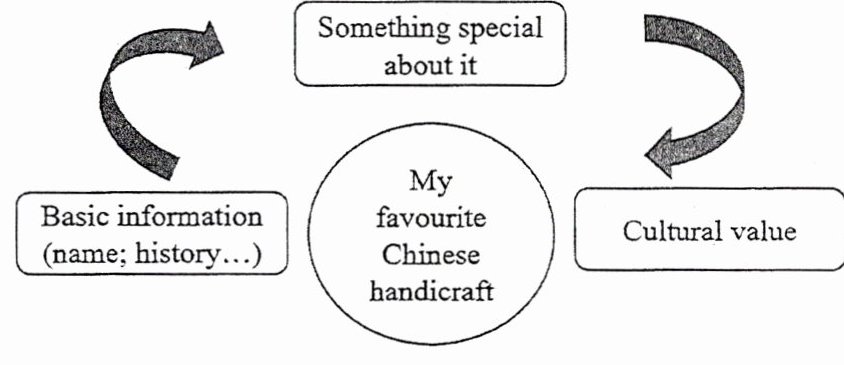
My favourite Chinese handicraft
请根据以下结构图,用英文介绍你最喜爱的中国手工艺品,不少于70词。
My favourite Chinese handicraft
Paper-cutting is my favourite Chinese handicraft. It has a long history of about 1,500 years.
What makes it special is its amazing designs. Artists with great skills can make paper-cuts in the shape of animals, flowers, and people.
Paper-cutting has great cultural value. It is often used during the festivals like the Spring Festival.
It brings good luck and happiness.
It shows Chinese people's love and best wishes for life.
答案
One possible version:
My favourite Chinese handicraft
Paper-cutting is my favourite Chinese handicraft. It has a long history of about
1,500 years.
What makes it special is its amazing designs. Artists with great skills can make
paper-cuts in the shape of animals, flowers, and people.
Paper-cutting has great cultural value. It is often used during the festivals like
the Spring Festival. It brings good luck and happiness. It shows Chinese people's
love and best wishes for life.
My favourite Chinese handicraft
Paper-cutting is my favourite Chinese handicraft. It has a long history of about
1,500 years.
What makes it special is its amazing designs. Artists with great skills can make
paper-cuts in the shape of animals, flowers, and people.
Paper-cutting has great cultural value. It is often used during the festivals like
the Spring Festival. It brings good luck and happiness. It shows Chinese people's
love and best wishes for life.
解析
【分析】
这道书面表达题已经给出了非常清晰的写作框架,我们可以按照三个指定模块顺次完成写作:第一步先选定一个自己熟悉的中国传统手工艺品,比如大众熟知的剪纸,先完成「Basic information」部分,开篇直接点题,说明手工艺品的名称、对应的发展历史,完成基础信息的交代;第二步完成「Something special about it」部分,描述这个手工艺品独有的特点,比如精巧的工艺、丰富多样的造型设计,突出它的独特性;第三步完成「Cultural value」部分,介绍它在传统生活中的使用场景,以及它承载的文化寓意,最后把三部分内容连贯起来,检查字数满足不少于70词的要求,调整语句保证通顺无语法错误即可。
【解析】
写作可按以下三步完成:
1. 开篇点题,交代基础信息:直接点明自己最喜爱的中国手工艺品是剪纸,补充说明它拥有约1500年的悠久历史,完成第一个模块的内容输出。
2. 描述手工艺品的独特之处:点明剪纸最特别的地方是它极具创意的各类设计,技艺娴熟的手艺人可以剪出动物、花卉、人物等不同造型的剪纸作品,突出它的精巧别致。
3. 阐述对应的文化价值:说明剪纸拥有很高的文化价值,常在春节等传统节日中使用,它寄托了人们对好运和幸福的向往,也体现了中国人对生活的热爱与美好期许,完成最后一个模块的内容,整体串联后检查语句通顺度和字数,符合写作要求。
【答案】
One possible version:
My favourite Chinese handicraft
Paper-cutting is my favourite Chinese handicraft. It has a long history of about 1,500 years.
What makes it special is its amazing designs. Artists with great skills can make paper-cuts in the shape of animals, flowers, and people.
Paper-cutting has great cultural value. It is often used during the festivals like the Spring Festival. It brings good luck and happiness. It shows Chinese people's love and best wishes for life.
【知识点】
传统文化类写作;说明文写作;英语语句衔接
【点评】
本篇范文完全贴合题目给出的三个写作维度,逻辑层次清晰,从基础介绍到特色说明再到文化价值解读层层递进,内容紧扣中国传统手工艺品的文化内核,用词准确自然,完全满足字数要求。同学们写作时可以优先选择自己熟悉的传统手工艺品,依托题目给出的明确框架填充内容,就能有效避免跑题,轻松完成写作。
【难度系数】
0.7
这道书面表达题已经给出了非常清晰的写作框架,我们可以按照三个指定模块顺次完成写作:第一步先选定一个自己熟悉的中国传统手工艺品,比如大众熟知的剪纸,先完成「Basic information」部分,开篇直接点题,说明手工艺品的名称、对应的发展历史,完成基础信息的交代;第二步完成「Something special about it」部分,描述这个手工艺品独有的特点,比如精巧的工艺、丰富多样的造型设计,突出它的独特性;第三步完成「Cultural value」部分,介绍它在传统生活中的使用场景,以及它承载的文化寓意,最后把三部分内容连贯起来,检查字数满足不少于70词的要求,调整语句保证通顺无语法错误即可。
【解析】
写作可按以下三步完成:
1. 开篇点题,交代基础信息:直接点明自己最喜爱的中国手工艺品是剪纸,补充说明它拥有约1500年的悠久历史,完成第一个模块的内容输出。
2. 描述手工艺品的独特之处:点明剪纸最特别的地方是它极具创意的各类设计,技艺娴熟的手艺人可以剪出动物、花卉、人物等不同造型的剪纸作品,突出它的精巧别致。
3. 阐述对应的文化价值:说明剪纸拥有很高的文化价值,常在春节等传统节日中使用,它寄托了人们对好运和幸福的向往,也体现了中国人对生活的热爱与美好期许,完成最后一个模块的内容,整体串联后检查语句通顺度和字数,符合写作要求。
【答案】
One possible version:
My favourite Chinese handicraft
Paper-cutting is my favourite Chinese handicraft. It has a long history of about 1,500 years.
What makes it special is its amazing designs. Artists with great skills can make paper-cuts in the shape of animals, flowers, and people.
Paper-cutting has great cultural value. It is often used during the festivals like the Spring Festival. It brings good luck and happiness. It shows Chinese people's love and best wishes for life.
【知识点】
传统文化类写作;说明文写作;英语语句衔接
【点评】
本篇范文完全贴合题目给出的三个写作维度,逻辑层次清晰,从基础介绍到特色说明再到文化价值解读层层递进,内容紧扣中国传统手工艺品的文化内核,用词准确自然,完全满足字数要求。同学们写作时可以优先选择自己熟悉的传统手工艺品,依托题目给出的明确框架填充内容,就能有效避免跑题,轻松完成写作。
【难度系数】
0.7
