

 登录
登录
B 热考内容 社会热点 KEY→P23
范畴:人与社会 主题:影视介绍 体裁:说明文 难度:★★★★ 建议用时:9分钟 评价:/5
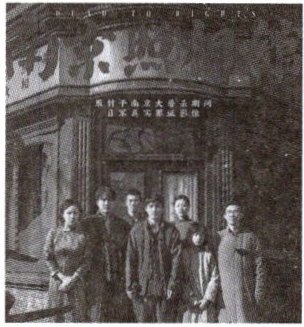
As the world marks the 80th anniversary of the victory over fascism(法西斯主义), a moving Chinese film, Dead to Rights, gives us a special look at history. Unlike traditional war movies that focus on battlefields, it tells a story through a small photo studio during the 1937 Nanjing Massacre(南京大屠杀).
In 1937, a group of ordinary Chinese people hid in Jixiang Photo Studio to take refuge(避难). When they were forced to develop photos for the Japanese army, they accidentally found the photos that recorded the Japanese army's crimes during the massacre. At first, they fought just to stay alive—but soon, this became a mission to guard the truth. They promised to try their best to pass on this solid evidence.
In fact, it's based on a real event. Apprentice(学徒) Luo Jin of Nanjing's Huadong Photo Studio risked his life to add photos of Japanese fascists. These photos later became the key evidence of the Tokyo trial(审判).
Dead to Rights tries something new with its "ordinary people's action reflects big history" story. It turns national pain into a shared memory on screen. Its success comes not only from careful technical work. Lifelike scenes, the local dialect and other small but meaningful details all play a part. More importantly, it connects with people's feelings. When the characters shout, "Every inch of our beautiful land must never be given up." or when modern Nanjing streets are connected with wartime ruins, viewers see not just history coming to life like a photo, but a symbol of a strong, unbroken civilization.
The film does not show big war scenes. Instead, it uses the photo studio to show how ordinary people wake up and fight back in the big waves of history. It makes audiences feel deeply the great sacrifices(牺牲) our ancestors made to protect the truth and dignity(尊严). It is a serious look back at and a deep reflection on history. It always reminds us to remember the past and value today's peace.
英语嗨吧
(
A. It shows big battle scenes happening in 1937.
B. It focuses on famous heroes.
C. It tells a story through a small photo studio.
D. It was made eighty years ago.
(
A. wanted to live through the hard time B. tried to win a big fight during the war
C. planned to take back their city D. hoped to become brave fighters
(
① Lifelike scenes. ② The local dialect. ③ Famous actors.
④ Technical work. ⑤ The emotional connection.
A. ①②③⑤ B. ①②③④ C. ②③④⑤ D. ①②④⑤
(
A. The Tokyo trial and its evidence.
B. The story of Nanjing Massacre in 1937.
C. The introduction to a traditional war movie.
D. The introduction to the film Dead to Rights.
(

范畴:人与社会 主题:影视介绍 体裁:说明文 难度:★★★★ 建议用时:9分钟 评价:/5
As the world marks the 80th anniversary of the victory over fascism(法西斯主义), a moving Chinese film, Dead to Rights, gives us a special look at history. Unlike traditional war movies that focus on battlefields, it tells a story through a small photo studio during the 1937 Nanjing Massacre(南京大屠杀).
In 1937, a group of ordinary Chinese people hid in Jixiang Photo Studio to take refuge(避难). When they were forced to develop photos for the Japanese army, they accidentally found the photos that recorded the Japanese army's crimes during the massacre. At first, they fought just to stay alive—but soon, this became a mission to guard the truth. They promised to try their best to pass on this solid evidence.
In fact, it's based on a real event. Apprentice(学徒) Luo Jin of Nanjing's Huadong Photo Studio risked his life to add photos of Japanese fascists. These photos later became the key evidence of the Tokyo trial(审判).
Dead to Rights tries something new with its "ordinary people's action reflects big history" story. It turns national pain into a shared memory on screen. Its success comes not only from careful technical work. Lifelike scenes, the local dialect and other small but meaningful details all play a part. More importantly, it connects with people's feelings. When the characters shout, "Every inch of our beautiful land must never be given up." or when modern Nanjing streets are connected with wartime ruins, viewers see not just history coming to life like a photo, but a symbol of a strong, unbroken civilization.
The film does not show big war scenes. Instead, it uses the photo studio to show how ordinary people wake up and fight back in the big waves of history. It makes audiences feel deeply the great sacrifices(牺牲) our ancestors made to protect the truth and dignity(尊严). It is a serious look back at and a deep reflection on history. It always reminds us to remember the past and value today's peace.
英语嗨吧
(
C
)1. What makes Dead to Rights different from traditional war movies?A. It shows big battle scenes happening in 1937.
B. It focuses on famous heroes.
C. It tells a story through a small photo studio.
D. It was made eighty years ago.
(
A
)2. The underlined part "they fought just to stay alive" in Paragraph 2 means "the people A
".A. wanted to live through the hard time B. tried to win a big fight during the war
C. planned to take back their city D. hoped to become brave fighters
(
D
)3. 新考法·组合式选择 What helps Dead to Rights succeed according to the passage?① Lifelike scenes. ② The local dialect. ③ Famous actors.
④ Technical work. ⑤ The emotional connection.
A. ①②③⑤ B. ①②③④ C. ②③④⑤ D. ①②④⑤
(
D
)4. What is the main idea of the passage?A. The Tokyo trial and its evidence.
B. The story of Nanjing Massacre in 1937.
C. The introduction to a traditional war movie.
D. The introduction to the film Dead to Rights.
(
B
)5. 新考法·篇章结构 What would be the best structure of the passage?答案
[B] C A D D B
本文介绍了电影《南京照相馆》。影片聚焦于1937年南京大屠杀期间一家小照相馆的故事,讲述普通人发现记录日军罪证的照片后守护真相的历程,旨在提醒人们铭记过去、珍惜和平。
1. C 细节理解题。根据“Unlike traditional war movies that focus on battlefields, it tells a story through a small photo studio during the 1937 Nanjing Massacre.”可知,《南京照相馆》和传统战争电影的不同在于它通过1937年南京大屠杀期间的一个小照相馆讲述故事,而非聚焦战场。
2. A 推理判断题。they fought just to stay alive 出现在城市沦陷的背景下,人们为了活下去而挣扎,故画线部分意思是想要熬过艰难时期。
3. D 组合式选择题。根据“Its success comes not only from careful technical work. Lifelike scenes, the local dialect and other small but meaningful details all play a part. More importantly, it connects with people's feelings.”可知,电影的成功源于精心的技术工作、逼真的场景、当地方言以及与人们情感的共鸣,没提及著名演员。
4. D 主旨大意题。文章主要介绍了电影《南京照相馆》的故事内容以及它的意义和影响。
5. B 篇章结构题。通读全文可知,第一段总述电影的背景,第二、三、四段分述其内容、取材、成功的原因等,第五段总结电影的意义及影响。
本文介绍了电影《南京照相馆》。影片聚焦于1937年南京大屠杀期间一家小照相馆的故事,讲述普通人发现记录日军罪证的照片后守护真相的历程,旨在提醒人们铭记过去、珍惜和平。
1. C 细节理解题。根据“Unlike traditional war movies that focus on battlefields, it tells a story through a small photo studio during the 1937 Nanjing Massacre.”可知,《南京照相馆》和传统战争电影的不同在于它通过1937年南京大屠杀期间的一个小照相馆讲述故事,而非聚焦战场。
2. A 推理判断题。they fought just to stay alive 出现在城市沦陷的背景下,人们为了活下去而挣扎,故画线部分意思是想要熬过艰难时期。
3. D 组合式选择题。根据“Its success comes not only from careful technical work. Lifelike scenes, the local dialect and other small but meaningful details all play a part. More importantly, it connects with people's feelings.”可知,电影的成功源于精心的技术工作、逼真的场景、当地方言以及与人们情感的共鸣,没提及著名演员。
4. D 主旨大意题。文章主要介绍了电影《南京照相馆》的故事内容以及它的意义和影响。
5. B 篇章结构题。通读全文可知,第一段总述电影的背景,第二、三、四段分述其内容、取材、成功的原因等,第五段总结电影的意义及影响。
解析
【分析】
做这类英语阅读理解题,首先需通读全文把握主旨(本文是介绍电影《Dead to Rights》的说明文);再针对各小题,根据题型定位原文对应内容:细节题精准查找原句对比选项,推理题结合上下文语境分析,组合式选择逐一核对选项与原文信息,主旨题梳理各段大意抓核心,篇章结构题分析段落逻辑关系。
【解析】
1. 细节理解题:根据第一段最后一句“Unlike traditional war movies that focus on battlefields, it tells a story through a small photo studio during the 1937 Nanjing Massacre.”可知,该电影与传统战争片的不同在于通过小照相馆讲述故事,故选C。
2. 推理判断题:第二段背景为1937年南京大屠杀,人们避难时的状态,“they fought just to stay alive”意为他们挣扎是为了活下去,即熬过艰难时期,故选A。
3. 组合式选择题:根据第四段“Its success comes not only from careful technical work. Lifelike scenes, the local dialect and other small but meaningful details all play a part. More importantly, it connects with people's feelings.”可知,成功因素包括技术工作、逼真场景、当地方言、情感连接,未提及著名演员,故①②④⑤正确,选D。
4. 主旨大意题:全文围绕电影《Dead to Rights》展开,介绍其内容、取材、成功原因及意义,故选D。
5. 篇章结构题:第一段总述电影背景,第二、三、四段分述内容、取材、成功原因,第五段总结意义,结构为总-分-总,对应选项B。
【答案】1.C 2.A 3.D 4.D 5.B
【知识点】英语阅读理解细节理解、推理判断、主旨大意、篇章结构
【点评】本文是结合反法西斯胜利80周年热点的说明文,属于人与社会范畴,题目涵盖多种题型,考查学生信息定位、推理判断、主旨把握及篇章结构分析能力,兼具教育意义,符合阅读题考查要求。
【难度系数】0.4
做这类英语阅读理解题,首先需通读全文把握主旨(本文是介绍电影《Dead to Rights》的说明文);再针对各小题,根据题型定位原文对应内容:细节题精准查找原句对比选项,推理题结合上下文语境分析,组合式选择逐一核对选项与原文信息,主旨题梳理各段大意抓核心,篇章结构题分析段落逻辑关系。
【解析】
1. 细节理解题:根据第一段最后一句“Unlike traditional war movies that focus on battlefields, it tells a story through a small photo studio during the 1937 Nanjing Massacre.”可知,该电影与传统战争片的不同在于通过小照相馆讲述故事,故选C。
2. 推理判断题:第二段背景为1937年南京大屠杀,人们避难时的状态,“they fought just to stay alive”意为他们挣扎是为了活下去,即熬过艰难时期,故选A。
3. 组合式选择题:根据第四段“Its success comes not only from careful technical work. Lifelike scenes, the local dialect and other small but meaningful details all play a part. More importantly, it connects with people's feelings.”可知,成功因素包括技术工作、逼真场景、当地方言、情感连接,未提及著名演员,故①②④⑤正确,选D。
4. 主旨大意题:全文围绕电影《Dead to Rights》展开,介绍其内容、取材、成功原因及意义,故选D。
5. 篇章结构题:第一段总述电影背景,第二、三、四段分述内容、取材、成功原因,第五段总结意义,结构为总-分-总,对应选项B。
【答案】1.C 2.A 3.D 4.D 5.B
【知识点】英语阅读理解细节理解、推理判断、主旨大意、篇章结构
【点评】本文是结合反法西斯胜利80周年热点的说明文,属于人与社会范畴,题目涵盖多种题型,考查学生信息定位、推理判断、主旨把握及篇章结构分析能力,兼具教育意义,符合阅读题考查要求。
【难度系数】0.4
