

 登录
登录
训练1
体裁:议论文 主题:科学技术 难度:★★★★ 建议用时:7min 正确率:/5
新素养·思维品质 Should robots have faces?
Some scientists say robots need faces. They say robots should look like humans. 1 They wonder if robots should have a face at all. How are scientists creating robot faces? Keep reading to find out more.
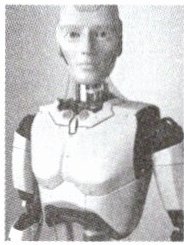
Scientists know we like human faces. A lot of our brainpower(智力) goes into recognizing(识别) faces. We get a lot of information from faces. 2 It can help people interact(互动) with it.
Maja Matarié is a computer scientist. Her research shows something else. It shows that people enjoy interacting with robots that do not look like humans. 3
Dave Hanson's company designs robots. 4 Their faces are made with a rubbery fake skin. Tiny motors move under the skin. This helps the robot form smiles and frowns(皱眉). Hanson thinks robots will soon play a bigger role in our lives. He says we'll get used to different robot faces in the future.
The robot's eyes contain cameras. They capture(捕获) pictures of your face. 5 Then, the computer analyzes(分析) them. The robot responds(回应) by making similar feelings.
What face would you give your robot?
A. It has a grey head.
B. But other scientists disagree.
C. So, giving a robot a face can be useful.
D. He wants all robots to look like humans.
E. She does not think robots need to look like us.
F. They send them to the robot's central computer.
G. A robot can turn its eyes to tell humans what direction it is going.
1.
体裁:议论文 主题:科学技术 难度:★★★★ 建议用时:7min 正确率:/5
新素养·思维品质 Should robots have faces?
Some scientists say robots need faces. They say robots should look like humans. 1 They wonder if robots should have a face at all. How are scientists creating robot faces? Keep reading to find out more.
Scientists know we like human faces. A lot of our brainpower(智力) goes into recognizing(识别) faces. We get a lot of information from faces. 2 It can help people interact(互动) with it.
Maja Matarié is a computer scientist. Her research shows something else. It shows that people enjoy interacting with robots that do not look like humans. 3
Dave Hanson's company designs robots. 4 Their faces are made with a rubbery fake skin. Tiny motors move under the skin. This helps the robot form smiles and frowns(皱眉). Hanson thinks robots will soon play a bigger role in our lives. He says we'll get used to different robot faces in the future.
The robot's eyes contain cameras. They capture(捕获) pictures of your face. 5 Then, the computer analyzes(分析) them. The robot responds(回应) by making similar feelings.
What face would you give your robot?
A. It has a grey head.
B. But other scientists disagree.
C. So, giving a robot a face can be useful.
D. He wants all robots to look like humans.
E. She does not think robots need to look like us.
F. They send them to the robot's central computer.
G. A robot can turn its eyes to tell humans what direction it is going.
1.
B
2. C
3. E
4. D
5. F
答案
1. B 根据“Some scientists say robots need faces. They say robots should look like humans.”可知,一些科学家说机器人需要人脸。他们说机器人应该看起来像人类。空格后为“They wonder if robots should have a face at all.”他们在想机器人是否真的需要人脸。空格前后呈现了两种不同的观点,选项B“但其他科学家不同意这种说法。”符合语境,故选B。
2. C 根据“We get a lot of information from faces ... It can help people interact with it.”可知,此处介绍人脸的用处。选项C“所以,给机器人一张脸是有用的。”符合语境,故选C。
3. E 根据“It shows that people enjoy interacting with robots that do not look like humans.”可知,Maja Matarié的研究表明人们喜欢与看起来不像人的机器人互动。选项E“她认为机器人不需要长得像我们。”符合语境,故选E。
4. D 根据“Their faces are made with a rubbery fake skin. Tiny motors move under the skin. This helps the robot form smiles and frowns.”可知,Dave Hanson的公司设计机器人,机器人有和人一样的脸。选项D“他想要所有的机器人看起来都像人类。”符合语境,故选D。
5. F 根据“Then, the computer analyzes them.”可知,机器人的眼睛把人类面部表情数据发送到计算机,然后计算机对其进行分析。选项F“他们把照片发送到机器人的中央计算机。”符合语境,故选F。
2. C 根据“We get a lot of information from faces ... It can help people interact with it.”可知,此处介绍人脸的用处。选项C“所以,给机器人一张脸是有用的。”符合语境,故选C。
3. E 根据“It shows that people enjoy interacting with robots that do not look like humans.”可知,Maja Matarié的研究表明人们喜欢与看起来不像人的机器人互动。选项E“她认为机器人不需要长得像我们。”符合语境,故选E。
4. D 根据“Their faces are made with a rubbery fake skin. Tiny motors move under the skin. This helps the robot form smiles and frowns.”可知,Dave Hanson的公司设计机器人,机器人有和人一样的脸。选项D“他想要所有的机器人看起来都像人类。”符合语境,故选D。
5. F 根据“Then, the computer analyzes them.”可知,机器人的眼睛把人类面部表情数据发送到计算机,然后计算机对其进行分析。选项F“他们把照片发送到机器人的中央计算机。”符合语境,故选F。
解析
【分析】
这是一篇围绕“机器人是否应该拥有人脸”主题的议论文阅读补全题,解题时首先通读全文,梳理清楚文章整体行文逻辑:先引出不同科学家对机器人是否需要人脸的分歧,再分别介绍不同研究者的相关研究结论与机器人设计思路,最后说明机器人通过面部识别和人类互动的工作原理。解题时对每个空都要做到瞻前顾后:第一先判断空前后的语义是转折、因果还是顺承关系,第二注意前后文的人物指代、事物指代的对应关系,最后把匹配的选项代入验证,确认语义通顺、逻辑连贯即可。
【解析】
1. 空前句说明部分科学家认为机器人需要人脸,应该长得和人类相似,空后句说明有群体质疑机器人到底是否需要人脸,前后是完全对立的两种观点,存在转折逻辑,B选项“但其他科学家不同意这种说法”可以完美衔接前后语义,符合语境。
2. 空前句介绍人类大脑的大量算力都用于识别人脸,我们可以从人脸获取大量信息,空后句提到人脸可以帮助人和机器人互动,前后是因果推导关系,C选项“所以,给机器人一张脸是有用的”承接前文的原因,引出后文的作用,逻辑通顺。
3. 空前介绍女性科学家Maja的研究结论:人们更享受和长得不像人类的机器人互动,E选项“她认为机器人不需要长得像我们”和前文的研究结论完全对应,选项里的指代“她”也和前文的女性研究者身份完全匹配。
4. 空前句提到Dave Hanson的公司专门设计机器人,空后句介绍他们的机器人使用仿真橡胶假皮肤,皮下的微型电机可以做出微笑、皱眉等人脸表情,D选项“他想要所有机器人看起来都像人类”完全对应后文的设计思路,选项里的指代“他”也和前文的男性研究者身份匹配。
5. 空前句提到机器人眼睛里的摄像头会捕获人类的面部图像,空后句提到之后电脑会对这些图像进行分析,F选项“它们把照片发送到机器人的中央计算机”刚好承接捕获图像、后续分析图像的中间步骤,完整串联起整个工作流程。
【答案】
1. B 2. C 3. E 4. D 5. F
【知识点】
阅读补全,语篇逻辑,句间衔接
【点评】
本题选取前沿科技相关的主题,贴合新素养对思维品质的考察要求,重点训练学生对议论文句间转折、因果逻辑的判断能力,同时考察学生对人物观点、指代关系的匹配能力,整体逻辑链条清晰,适合巩固七选五类题型的通用解题技巧。
【难度系数】
0.6
这是一篇围绕“机器人是否应该拥有人脸”主题的议论文阅读补全题,解题时首先通读全文,梳理清楚文章整体行文逻辑:先引出不同科学家对机器人是否需要人脸的分歧,再分别介绍不同研究者的相关研究结论与机器人设计思路,最后说明机器人通过面部识别和人类互动的工作原理。解题时对每个空都要做到瞻前顾后:第一先判断空前后的语义是转折、因果还是顺承关系,第二注意前后文的人物指代、事物指代的对应关系,最后把匹配的选项代入验证,确认语义通顺、逻辑连贯即可。
【解析】
1. 空前句说明部分科学家认为机器人需要人脸,应该长得和人类相似,空后句说明有群体质疑机器人到底是否需要人脸,前后是完全对立的两种观点,存在转折逻辑,B选项“但其他科学家不同意这种说法”可以完美衔接前后语义,符合语境。
2. 空前句介绍人类大脑的大量算力都用于识别人脸,我们可以从人脸获取大量信息,空后句提到人脸可以帮助人和机器人互动,前后是因果推导关系,C选项“所以,给机器人一张脸是有用的”承接前文的原因,引出后文的作用,逻辑通顺。
3. 空前介绍女性科学家Maja的研究结论:人们更享受和长得不像人类的机器人互动,E选项“她认为机器人不需要长得像我们”和前文的研究结论完全对应,选项里的指代“她”也和前文的女性研究者身份完全匹配。
4. 空前句提到Dave Hanson的公司专门设计机器人,空后句介绍他们的机器人使用仿真橡胶假皮肤,皮下的微型电机可以做出微笑、皱眉等人脸表情,D选项“他想要所有机器人看起来都像人类”完全对应后文的设计思路,选项里的指代“他”也和前文的男性研究者身份匹配。
5. 空前句提到机器人眼睛里的摄像头会捕获人类的面部图像,空后句提到之后电脑会对这些图像进行分析,F选项“它们把照片发送到机器人的中央计算机”刚好承接捕获图像、后续分析图像的中间步骤,完整串联起整个工作流程。
【答案】
1. B 2. C 3. E 4. D 5. F
【知识点】
阅读补全,语篇逻辑,句间衔接
【点评】
本题选取前沿科技相关的主题,贴合新素养对思维品质的考察要求,重点训练学生对议论文句间转折、因果逻辑的判断能力,同时考察学生对人物观点、指代关系的匹配能力,整体逻辑链条清晰,适合巩固七选五类题型的通用解题技巧。
【难度系数】
0.6
