

 登录
登录
B
Habits and Success
①What decides our success? Our habits. Habits mean what we do every day. If we have healthy and positive habits, I'm sure that we can be successful some day. However, if we have strong negative habits, we will fail in the long term.
②Though our life won't be different with only one positive action, if we do the same action and behavior many times, it will influence (影响) our life. For example, you will not get a good grade if you work hard for only one day. But if you work hard every day for 3 years, you will see a great difference in your study. This rule is also true for health, work and so on.
③It's easy to develop positive habits. If you want to develop the habit of reading, read every day. We'll take up the habit by doing the action day after day.
④We can get rid of bad habits by stopping doing them. But it's a little difficult to give up bad habits because we get lots of fun from them. The best way to replace(代替) the bad habits is to develop some new good habits in our daily life. For example, if you want to stop smoking, you can eat an apple when you want to smoke.
⑤Everybody can change if we have courage and a strong will. Take an active part in changing our bad habits, and success is waiting for us.
根据材料内容选择最佳答案。
(
A. By giving an example.
B. By asking a question.
C. By telling a story.
D. By explaining an opinion.
(
A. 上进的
B. 活跃的
C. 勇敢的
D. 不良的
(
A. Trying to forget the bad habits.
B. Keeping telling ourselves not to repeat the bad habits.
C. Developing some new good habits.
D. Taking an active part in working and studying.
(
A.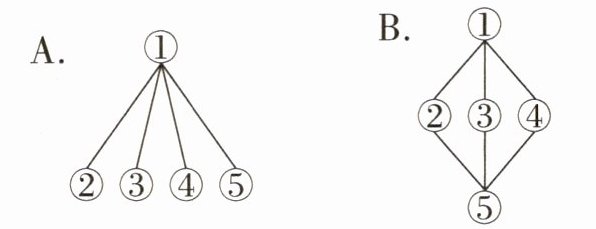
C.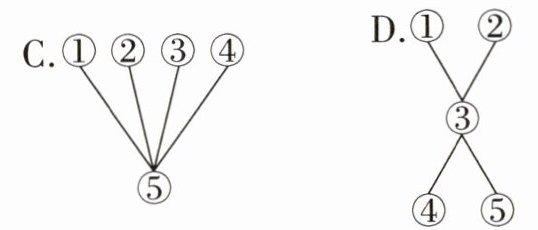
(
A. Not everyone can change.
B. It is too difficult to get rid of bad habits.
C. We can succeed easily if we work hard for a short time.
D. Though we are successful now, we may fail if we don't keep positive habits for a long time.
Habits and Success
①What decides our success? Our habits. Habits mean what we do every day. If we have healthy and positive habits, I'm sure that we can be successful some day. However, if we have strong negative habits, we will fail in the long term.
②Though our life won't be different with only one positive action, if we do the same action and behavior many times, it will influence (影响) our life. For example, you will not get a good grade if you work hard for only one day. But if you work hard every day for 3 years, you will see a great difference in your study. This rule is also true for health, work and so on.
③It's easy to develop positive habits. If you want to develop the habit of reading, read every day. We'll take up the habit by doing the action day after day.
④We can get rid of bad habits by stopping doing them. But it's a little difficult to give up bad habits because we get lots of fun from them. The best way to replace(代替) the bad habits is to develop some new good habits in our daily life. For example, if you want to stop smoking, you can eat an apple when you want to smoke.
⑤Everybody can change if we have courage and a strong will. Take an active part in changing our bad habits, and success is waiting for us.
根据材料内容选择最佳答案。
(
B
)6. How does the writer start the passage?A. By giving an example.
B. By asking a question.
C. By telling a story.
D. By explaining an opinion.
(
D
)7. What does the underlined word "negative" mean in Chinese?A. 上进的
B. 活跃的
C. 勇敢的
D. 不良的
(
C
)8. What is the best way to replace our bad habits according to the writer?A. Trying to forget the bad habits.
B. Keeping telling ourselves not to repeat the bad habits.
C. Developing some new good habits.
D. Taking an active part in working and studying.
(
B
)9. What is the structure of the passage?A.
C.
(
D
)10. What can we learn from the passage?A. Not everyone can change.
B. It is too difficult to get rid of bad habits.
C. We can succeed easily if we work hard for a short time.
D. Though we are successful now, we may fail if we don't keep positive habits for a long time.
答案
B
6. B 由第一段第一句可知,作者以一个问题引出本文。
7. D 由第一段可知:如果我们拥有良好的习惯,我相信我们会成功;然而,如果我们拥有……的习惯,从长远看我们终会失败。由 however 转折可知,negative 与 positive 意义相反,故 negative 意为“不良的”。
8. C 由第四段可知,戒掉坏习惯最好的方法就是培养新的好习惯。
9. B
10. D 通读全文可知,即使我们现在成功了,但如果我们不能长期保持积极的习惯,我们也会失败。
6. B 由第一段第一句可知,作者以一个问题引出本文。
7. D 由第一段可知:如果我们拥有良好的习惯,我相信我们会成功;然而,如果我们拥有……的习惯,从长远看我们终会失败。由 however 转折可知,negative 与 positive 意义相反,故 negative 意为“不良的”。
8. C 由第四段可知,戒掉坏习惯最好的方法就是培养新的好习惯。
9. B
10. D 通读全文可知,即使我们现在成功了,但如果我们不能长期保持积极的习惯,我们也会失败。
解析
【分析】
本题为英语阅读理解选择题,解题思路如下:1. 第6题定位文章首句,判断作者开头方式;2. 第7题利用转折逻辑,结合已知词汇含义猜测生词;3. 第8题定位指定段落,查找对应信息;4. 第9题梳理段落内容,分析文章结构;5. 第10题通读全文,逐一排除错误选项确定答案。
【解析】
6. 文章第一段首句为“What decides our success?”,作者通过提出问题引出话题,故选B。
7. 由第一段中“positive habits”与“negative habits”的转折关系(however),可知negative与positive(积极的)意义相反,意为“不良的”,故选D。
8. 根据第四段“The best way to replace the bad habits is to develop some new good habits”可知,替换坏习惯的最佳方法是培养新的好习惯,故选C。
9. 文章为总-分-总结构,对应选项B,故选B。
10. 通读全文:A项与第五段“Everybody can change”矛盾;B项“too difficult”表述绝对,原文为“a little difficult”;C项与第二段“短期努力无法取得好成绩”矛盾;D项符合文意,故选D。
【答案】
6.B 7.D 8.C 9.B 10.D
【知识点】
英语阅读理解、词义猜测、文章结构分析
【点评】
本题围绕“习惯与成功”展开,考查学生的阅读细节查找、词义推断、结构理解及主旨把握能力,题目设置基础,需学生仔细定位原文信息。
【难度系数】
0.6
本题为英语阅读理解选择题,解题思路如下:1. 第6题定位文章首句,判断作者开头方式;2. 第7题利用转折逻辑,结合已知词汇含义猜测生词;3. 第8题定位指定段落,查找对应信息;4. 第9题梳理段落内容,分析文章结构;5. 第10题通读全文,逐一排除错误选项确定答案。
【解析】
6. 文章第一段首句为“What decides our success?”,作者通过提出问题引出话题,故选B。
7. 由第一段中“positive habits”与“negative habits”的转折关系(however),可知negative与positive(积极的)意义相反,意为“不良的”,故选D。
8. 根据第四段“The best way to replace the bad habits is to develop some new good habits”可知,替换坏习惯的最佳方法是培养新的好习惯,故选C。
9. 文章为总-分-总结构,对应选项B,故选B。
10. 通读全文:A项与第五段“Everybody can change”矛盾;B项“too difficult”表述绝对,原文为“a little difficult”;C项与第二段“短期努力无法取得好成绩”矛盾;D项符合文意,故选D。
【答案】
6.B 7.D 8.C 9.B 10.D
【知识点】
英语阅读理解、词义猜测、文章结构分析
【点评】
本题围绕“习惯与成功”展开,考查学生的阅读细节查找、词义推断、结构理解及主旨把握能力,题目设置基础,需学生仔细定位原文信息。
【难度系数】
0.6
