

 登录
登录
训练 5
体裁: 说明文 主题: 传统工艺 难度: ★★★★★ 建议用时: 8 min 正确率: /10
新素养·文化意识 As the days of summer fall upon China, modern people prefer to choose light and thin clothing.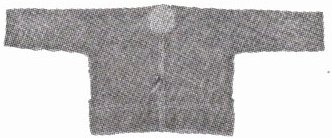
Ancient stories vividly describe the lightweight clothing worn during summer. One tale tells that in the Tang Dynasty, a foreign
If it is hard
Luo Robe* Well - suited for the
Bamboo Clothes* For a long time, bamboo products, like mats and pillows, were seen
Although the living standards
1.
6.
体裁: 说明文 主题: 传统工艺 难度: ★★★★★ 建议用时: 8 min 正确率: /10
新素养·文化意识 As the days of summer fall upon China, modern people prefer to choose light and thin clothing.
But
this is not a new trend(趋势). Unlike the clothing often showed on TV, ancient Chinese wore clothing that was lighter and thinner
(thin) than modern imaginations.Ancient stories vividly describe the lightweight clothing worn during summer. One tale tells that in the Tang Dynasty, a foreign
trader
(trade) saw an official (官员) in soft clothing. Surprisingly, he could see a mole(痣) on the official's shoulder through five layers of clothing.If it is hard
to imagine
(imagine) the clothing, here are some examples of summer clothing from ancient China.Luo Robe* Well - suited for the
southern
(south) areas of China, *luo* has large holes in the material, making it lightweight and breathable. From the Han Dynasty to the Tang and Song Dynasties, *luo* was mainly
(main) used for the clothing of the officials of the fifth rank or higher.Bamboo Clothes* For a long time, bamboo products, like mats and pillows, were seen
as
useful tools for beating the summer heat. People also stayed cool during the summer by wearing
(wear) a kind of net - like clothing made of bamboo. The history of bamboo clothes can date back to the Tang Dynasty. In the later period of the Qing Dynasty, bamboo clothes became widely popular and were even treasures
(treasure) offered to the royal family.Although the living standards
in
ancient times cannot be compared to modern times, the Chinese people actively explored ways to make their summers more comfortable.1.
But
2. thinner
3. trader
4. to imagine
5. southern
6.
mainly
7. as
8. wearing
9. treasures
10. in
答案
训练5【语篇解读】本文是一篇说明文。文章主要介绍了古代中国人的夏季服装——罗袍和竹衣。
1. But 句意:但是这不是一种新的趋势。根据句意可知前后是转折关系,且句首首字母需大写。故填But。
2. thinner 句意:不像电视中经常展示的服装,古代中国人穿着的服装比现代人想象的更轻、更薄。根据空后“than”可知此处应用比较级。故填thinner。
3. trader 句意:一个故事中提到唐朝的一名外国商人看见一名官员穿着柔软的衣服。根据空前“a foreign”可知此处应用单数名词。故填trader。
4. to imagine 句意:如果想象这种衣服很困难,这里有一些中国古代夏季服装的例子。It is+形容词+to do sth.表示“做某事是……”。故填to imagine。
5. southern 句意:罗袍非常适合中国南方地区,这种材料上有大洞,使其轻便透气。修饰空后名词“areas”,应用形容词。故填southern。
6. mainly 句意:从汉代到唐宋,罗袍主要被用于五品及以上的官员的衣服。修饰空后动词“used”,应用副词。故填mainly。
7. as 句意:在很长一段时间,竹制品,像竹垫、竹枕,被视为用来抵御夏季炎热的有用工具。“be seen as”表示“被视为”。故填as。
8. wearing 句意:人们也会在夏季穿竹制的网状衣服来保持凉爽。空前介词“by”后接动名词形式作宾语。故填wearing。
9. treasures 句意:在清朝后期,竹衣变得大受欢迎,甚至是上供皇家的宝物。根据空前“were”可知此处应用名词的复数形式。故填treasures。
10. in 句意:虽然古代的生活水平无法与现代相比,但中国人积极探索让夏天更舒适的方法。“in ancient times”表示“在古代”。故填in。
1. But 句意:但是这不是一种新的趋势。根据句意可知前后是转折关系,且句首首字母需大写。故填But。
2. thinner 句意:不像电视中经常展示的服装,古代中国人穿着的服装比现代人想象的更轻、更薄。根据空后“than”可知此处应用比较级。故填thinner。
3. trader 句意:一个故事中提到唐朝的一名外国商人看见一名官员穿着柔软的衣服。根据空前“a foreign”可知此处应用单数名词。故填trader。
4. to imagine 句意:如果想象这种衣服很困难,这里有一些中国古代夏季服装的例子。It is+形容词+to do sth.表示“做某事是……”。故填to imagine。
5. southern 句意:罗袍非常适合中国南方地区,这种材料上有大洞,使其轻便透气。修饰空后名词“areas”,应用形容词。故填southern。
6. mainly 句意:从汉代到唐宋,罗袍主要被用于五品及以上的官员的衣服。修饰空后动词“used”,应用副词。故填mainly。
7. as 句意:在很长一段时间,竹制品,像竹垫、竹枕,被视为用来抵御夏季炎热的有用工具。“be seen as”表示“被视为”。故填as。
8. wearing 句意:人们也会在夏季穿竹制的网状衣服来保持凉爽。空前介词“by”后接动名词形式作宾语。故填wearing。
9. treasures 句意:在清朝后期,竹衣变得大受欢迎,甚至是上供皇家的宝物。根据空前“were”可知此处应用名词的复数形式。故填treasures。
10. in 句意:虽然古代的生活水平无法与现代相比,但中国人积极探索让夏天更舒适的方法。“in ancient times”表示“在古代”。故填in。
解析
【分析】
本题是一篇介绍古代传统夏季服饰的语法填空题,需结合语境逻辑、语法规则、固定搭配、词性变化等逐一分析每个空格:1. 第1空:前文说现代人喜欢轻薄夏装,后文转折说明这不是新趋势,需填转折连词;2. 第2空:出现比较级标志词than,需用形容词比较级;3. 第3空:a foreign后需接表示人的名词,结合语境是外国商人;4. 第4空:考查固定句型It is + adj. + to do sth.,需填不定式;5. 第5空:修饰名词areas,需用形容词;6. 第6空:修饰动词used,需用副词;7. 第7空:考查固定搭配be seen as;8. 第8空:by是介词,后接动名词作宾语;9. 第9空:主语是复数概念,were提示用名词复数;10. 第10空:考查固定短语in ancient times。
【解析】
1. 根据前后句转折关系,句首大写,填But;2. 由than可知用thin的比较级thinner;3. 由a foreign可知填名词trader(商人);4. 固定句型It is hard to do sth.,填to imagine;5. 修饰名词areas,用southern(南方的);6. 修饰动词used,用副词mainly(主要地);7. 固定搭配be seen as,填as;8. by后接动名词,填wearing;9. 由were可知用名词复数treasures;10. 固定短语in ancient times,填in。
【答案】1. But 2. thinner 3. trader 4. to imagine 5. southern 6. mainly 7. as 8. wearing 9. treasures 10. in
【知识点】形容词比较级、词性转换、固定搭配
【点评】本题是说明文语境下的语法填空,考查基础语法知识与词汇运用,需结合语境和语法规则解题,注重对固定搭配和词性的掌握。
【难度系数】0.5
本题是一篇介绍古代传统夏季服饰的语法填空题,需结合语境逻辑、语法规则、固定搭配、词性变化等逐一分析每个空格:1. 第1空:前文说现代人喜欢轻薄夏装,后文转折说明这不是新趋势,需填转折连词;2. 第2空:出现比较级标志词than,需用形容词比较级;3. 第3空:a foreign后需接表示人的名词,结合语境是外国商人;4. 第4空:考查固定句型It is + adj. + to do sth.,需填不定式;5. 第5空:修饰名词areas,需用形容词;6. 第6空:修饰动词used,需用副词;7. 第7空:考查固定搭配be seen as;8. 第8空:by是介词,后接动名词作宾语;9. 第9空:主语是复数概念,were提示用名词复数;10. 第10空:考查固定短语in ancient times。
【解析】
1. 根据前后句转折关系,句首大写,填But;2. 由than可知用thin的比较级thinner;3. 由a foreign可知填名词trader(商人);4. 固定句型It is hard to do sth.,填to imagine;5. 修饰名词areas,用southern(南方的);6. 修饰动词used,用副词mainly(主要地);7. 固定搭配be seen as,填as;8. by后接动名词,填wearing;9. 由were可知用名词复数treasures;10. 固定短语in ancient times,填in。
【答案】1. But 2. thinner 3. trader 4. to imagine 5. southern 6. mainly 7. as 8. wearing 9. treasures 10. in
【知识点】形容词比较级、词性转换、固定搭配
【点评】本题是说明文语境下的语法填空,考查基础语法知识与词汇运用,需结合语境和语法规则解题,注重对固定搭配和词性的掌握。
【难度系数】0.5
