

 登录
登录
三、回答问题
KEY→P33
范畴:人与自然 主题:环境保护 体裁:说明文 难度:★★★★ 建议用时:6分钟 评价:/5
热考素材 跨学科·生物 In August 2023, 18 unusual takahē(南秧鸟) were allowed to come into New Zealand's Lake Whakatipu Waimāori Valley, where they would live. The area is also home to a Maori tribe called Ngāi Tahu, who have spent years trying to let the birds return to their lands. The Maori are New Zealand's local people.
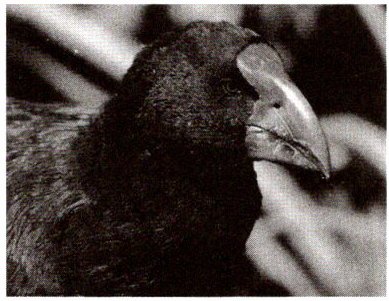
Takahē are large, round birds with red legs. They can't fly and they lived in New Zealand long before humans arrived there. People believed that they had died out in 1898, but in 1948 a small number of them were rediscovered living in a faraway part of the country's Murchison Mountains.
Since then, volunteers have been trying to increase the population of takahē birds. Like many New Zealand birds, takahē evolved into birds unable to fly because there were no land mammals to compete with. However, when Europeans arrived in New Zealand, mammal killers—including cats, ferrets and stoats—came too and they killed off many flightless birds and ate their eggs.
Takahē chicks were raised by volunteers. There are now around 500 birds and groups of adult pairs have already been allowed to go into protected areas. Experts will study the latest Takahē chicks to see how they get used to their new environment. It is hoped that more takahē birds can be set free in the future.
Tā Tipene O'Regan, who helped to set the birds free, said, "There are few things more beautiful than to watch these large birds hurrying back into grasslands where they haven't walked for over a century."
英语嗨吧
根据短文内容,回答下列问题。每题答案不超过7个词。
1. Where would the 18 takahē birds live?
2. When did people find a few takahē birds in Murchison Mountains?
3. Who might bring cats and ferrets to New Zealand?
4. What may happen in the future according to Paragraph 4?
5. What do you think of setting the takahē birds free?
KEY→P33
范畴:人与自然 主题:环境保护 体裁:说明文 难度:★★★★ 建议用时:6分钟 评价:/5
热考素材 跨学科·生物 In August 2023, 18 unusual takahē(南秧鸟) were allowed to come into New Zealand's Lake Whakatipu Waimāori Valley, where they would live. The area is also home to a Maori tribe called Ngāi Tahu, who have spent years trying to let the birds return to their lands. The Maori are New Zealand's local people.
Takahē are large, round birds with red legs. They can't fly and they lived in New Zealand long before humans arrived there. People believed that they had died out in 1898, but in 1948 a small number of them were rediscovered living in a faraway part of the country's Murchison Mountains.
Since then, volunteers have been trying to increase the population of takahē birds. Like many New Zealand birds, takahē evolved into birds unable to fly because there were no land mammals to compete with. However, when Europeans arrived in New Zealand, mammal killers—including cats, ferrets and stoats—came too and they killed off many flightless birds and ate their eggs.
Takahē chicks were raised by volunteers. There are now around 500 birds and groups of adult pairs have already been allowed to go into protected areas. Experts will study the latest Takahē chicks to see how they get used to their new environment. It is hoped that more takahē birds can be set free in the future.
Tā Tipene O'Regan, who helped to set the birds free, said, "There are few things more beautiful than to watch these large birds hurrying back into grasslands where they haven't walked for over a century."
英语嗨吧
根据短文内容,回答下列问题。每题答案不超过7个词。
1. Where would the 18 takahē birds live?
In the Lake Whakatipu Waimāori Valley.
2. When did people find a few takahē birds in Murchison Mountains?
In 1948.
3. Who might bring cats and ferrets to New Zealand?
Europeans.
4. What may happen in the future according to Paragraph 4?
More takahē birds may be set free.
5. What do you think of setting the takahē birds free?
It's good/important.(答案不唯一,言之有理即可)
答案
回答问题
南秧鸟是新西兰曾经被认定灭绝的稀有种。如今18只南秧鸟被放归野外。
1. In the Lake Whakatipu Waimāori Valley. 由第一段中“In August 2023, 18 unusual takahē were allowed to come into New Zealand's Lake Whakatipu Waimāori Valley”可知答案。
2. In 1948. 由第二段中“... but in 1948 a small number of them were rediscovered living in a faraway part of the country's Murchison Mountains.”可知答案。
3. Europeans. 由第三段中“... when Europeans arrived in New Zealand, mammal killers—including cats, ferrets and stoats—came too ...”可知,欧洲人把猫和雪貂带到新西兰。
4. More takahē birds may be set free. 由第四段中“It is hoped that more takahē birds can be set free in the future.”可知,未来更多的南秧鸟可能会被放生。
5. It's good/important.(答案不唯一,言之有理即可)
南秧鸟是新西兰曾经被认定灭绝的稀有种。如今18只南秧鸟被放归野外。
1. In the Lake Whakatipu Waimāori Valley. 由第一段中“In August 2023, 18 unusual takahē were allowed to come into New Zealand's Lake Whakatipu Waimāori Valley”可知答案。
2. In 1948. 由第二段中“... but in 1948 a small number of them were rediscovered living in a faraway part of the country's Murchison Mountains.”可知答案。
3. Europeans. 由第三段中“... when Europeans arrived in New Zealand, mammal killers—including cats, ferrets and stoats—came too ...”可知,欧洲人把猫和雪貂带到新西兰。
4. More takahē birds may be set free. 由第四段中“It is hoped that more takahē birds can be set free in the future.”可知,未来更多的南秧鸟可能会被放生。
5. It's good/important.(答案不唯一,言之有理即可)
