

 登录
登录
二、阅读理解
Have you ever heard
of the internet tag "20 minutes for parks"?
It comes from a theory from the International
Journal of Environmental Health Research.
According to the theory, spending just 20 minutes
in a park daily helps to reduce stress, no matter
how you choose to spend that time. In an online
interest group "We Love Wandering in the Park",
lovers from both home and abroad share their park
experiences, post photos and offer
recommendations and reviews of parks.
Huang Bingbing, living in Shenzhen, is a fan
and doer of this idea. Three years ago, when she
was still working at an advertising company, she
used to frequently visit the small park downstairs
during her weekday lunch breaks. "On that piece
of grass, I could connect with living plants and
animals. It allowed me to refresh my mind and
heal from the stress of work," Huang explained.
Huang believes that parks are private spaces,
where one can fully sense the growth of plants, the
warmth of the sunlight, the gentle touch of breeze
and the energy of nature. Parks are also the
perfect recharging spot for people to get energy
from nature.
At the same time, parks also serve as public
spaces. Cheng Yuyan, founder of the "We Love
Wandering in the Park" interest group, found
something interesting during her visits to parks in
Japan. She noticed that many park benches were
donated by local people and featured the givers'
nameplates. Additionally, many parks
offered guidebooks telling the history, geography
and blooming schedules of the plants within.
Inspired by this, Cheng believes people can
further deepen their connection with parks by
developing a sense of ownership. She plans to
encourage members of her group to take similar
responsibilities. "I hope this group shows more
social responsibility. Each of us can become a
guardian and contributor to the parks and our
city," she said.
1. What would the interest group members like to
do in parks?
a. Listen to the birdsong.
b. Enjoy the sunlight.
c. Feel the soft wind.
d. Have walks.
A. abc B. bcd
C. abd D. abcd
2. Why did Huang Bingbing visit parks?
A. To talk with others.
B. To learn about plants.
C. To relax from her work.
D. To enjoy her lunch outdoors.
3. What aspect of Japanese parks inspired Cheng?
A. The cultural importance of the park benches.
B. The unique design of the park benches.
C. The park benches given by the local people.
D. The guidebooks designed with the nameplates.
4. What does Cheng wish the group members
to do?
A. To share park experiences.
B. To encourage park donations.
C. To join in outdoor activities.
D. To protect and support parks.
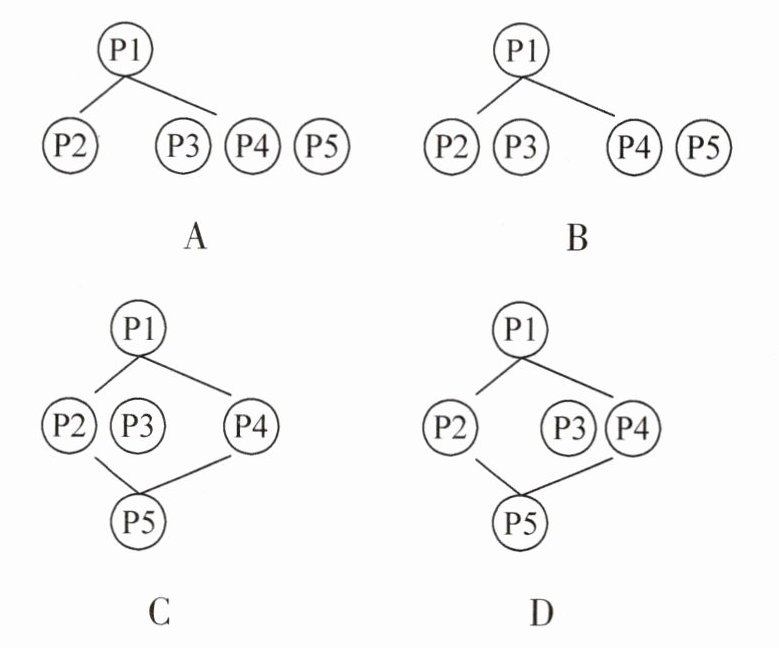
5. What is the structure of the passage?
Have you ever heard
of the internet tag "20 minutes for parks"?
It comes from a theory from the International
Journal of Environmental Health Research.
According to the theory, spending just 20 minutes
in a park daily helps to reduce stress, no matter
how you choose to spend that time. In an online
interest group "We Love Wandering in the Park",
lovers from both home and abroad share their park
experiences, post photos and offer
recommendations and reviews of parks.
Huang Bingbing, living in Shenzhen, is a fan
and doer of this idea. Three years ago, when she
was still working at an advertising company, she
used to frequently visit the small park downstairs
during her weekday lunch breaks. "On that piece
of grass, I could connect with living plants and
animals. It allowed me to refresh my mind and
heal from the stress of work," Huang explained.
Huang believes that parks are private spaces,
where one can fully sense the growth of plants, the
warmth of the sunlight, the gentle touch of breeze
and the energy of nature. Parks are also the
perfect recharging spot for people to get energy
from nature.
At the same time, parks also serve as public
spaces. Cheng Yuyan, founder of the "We Love
Wandering in the Park" interest group, found
something interesting during her visits to parks in
Japan. She noticed that many park benches were
donated by local people and featured the givers'
nameplates. Additionally, many parks
offered guidebooks telling the history, geography
and blooming schedules of the plants within.
Inspired by this, Cheng believes people can
further deepen their connection with parks by
developing a sense of ownership. She plans to
encourage members of her group to take similar
responsibilities. "I hope this group shows more
social responsibility. Each of us can become a
guardian and contributor to the parks and our
city," she said.
1. What would the interest group members like to
do in parks?
a. Listen to the birdsong.
b. Enjoy the sunlight.
c. Feel the soft wind.
d. Have walks.
A. abc B. bcd
C. abd D. abcd
2. Why did Huang Bingbing visit parks?
A. To talk with others.
B. To learn about plants.
C. To relax from her work.
D. To enjoy her lunch outdoors.
3. What aspect of Japanese parks inspired Cheng?
A. The cultural importance of the park benches.
B. The unique design of the park benches.
C. The park benches given by the local people.
D. The guidebooks designed with the nameplates.
4. What does Cheng wish the group members
to do?
A. To share park experiences.
B. To encourage park donations.
C. To join in outdoor activities.
D. To protect and support parks.
5. What is the structure of the passage?
答案
二、【语篇导读】本文主要介绍了一个兴趣小组"我们爱公园漫步",并告诉我们每天在公园里待20分钟有助于减轻压力。
1. D 提示:推理判断题。根据第三段中"Huang believes that parks are private spaces, where one can fully sense the growth of plants, the warmth of the sunlight, the gentle touch of breeze and the energy of nature."可知,人们可以在公园里充分感受到植物的生长、阳光的温暖、微风的轻拂和大自然的能量,所以在公园里人们可以听鸟鸣、享受阳光、感受和煦的风以及漫步。
2. C 提示:细节理解题。根据第二段中"It allowed me to refresh my mind and heal from the stress of work"可知,参观公园让她从工作的压力中恢复过来。
3. C 提示:细节理解题。根据第四段中"She noticed that many park benches were donated by local people and featured the givers' nameplates."可知,她注意到许多日本公园的长椅都是当地人捐赠的,并印有赠送者的名牌。
4. D 提示:细节理解题。根据最后一段中"I hope this group shows more social responsibility. Each of us can become a guardian and contributor to the parks and our city"可知,她希望小组里的每个人都能保护和帮助公园。
5. B 提示:篇章结构题。通读全文可知,第一段引出话题;第二段和第三段介绍了黄冰冰对参观公园的看法;第四段和第五段介绍了承雨嫣建立这个兴趣小组的原因和目的。选项B符合文章结构。
1. D 提示:推理判断题。根据第三段中"Huang believes that parks are private spaces, where one can fully sense the growth of plants, the warmth of the sunlight, the gentle touch of breeze and the energy of nature."可知,人们可以在公园里充分感受到植物的生长、阳光的温暖、微风的轻拂和大自然的能量,所以在公园里人们可以听鸟鸣、享受阳光、感受和煦的风以及漫步。
2. C 提示:细节理解题。根据第二段中"It allowed me to refresh my mind and heal from the stress of work"可知,参观公园让她从工作的压力中恢复过来。
3. C 提示:细节理解题。根据第四段中"She noticed that many park benches were donated by local people and featured the givers' nameplates."可知,她注意到许多日本公园的长椅都是当地人捐赠的,并印有赠送者的名牌。
4. D 提示:细节理解题。根据最后一段中"I hope this group shows more social responsibility. Each of us can become a guardian and contributor to the parks and our city"可知,她希望小组里的每个人都能保护和帮助公园。
5. B 提示:篇章结构题。通读全文可知,第一段引出话题;第二段和第三段介绍了黄冰冰对参观公园的看法;第四段和第五段介绍了承雨嫣建立这个兴趣小组的原因和目的。选项B符合文章结构。
解析
【分析】
解题前需先通读全文,明确文章主旨:介绍“每日20分钟公园”理论及相关兴趣小组,同时分享两位人物与公园的故事。针对不同题型采用对应策略:
1. 第1题为推理判断题,需从文中描述公园可体验的内容,推理出成员在公园可进行的活动;
2. 第2、3、4题为细节理解题,需定位到对应人物的段落,提取关键信息作答;
3. 第5题为篇章结构题,需梳理段落逻辑:第一段引出话题,第二、三段围绕黄冰冰展开,第四、五段围绕程雨嫣展开,匹配对应的结构图示。
【解析】
1. 第1题:根据第三段"Huang believes that parks are private spaces, where one can fully sense the growth of plants, the warmth of the sunlight, the gentle touch of breeze and the energy of nature."可知,在公园能感受阳光、微风,也能接触动植物(听鸟鸣)、漫步,abcd均符合,故选D。
2. 第2题:根据第二段"It allowed me to refresh my mind and heal from the stress of work"可知,黄冰冰去公园是为了从工作压力中放松,故选C。
3. 第3题:根据第四段"She noticed that many park benches were donated by local people and featured the givers' nameplates."可知,日本公园中当地人捐赠长椅这一点启发了程雨嫣,故选C。
4. 第4题:根据最后一段"I hope this group shows more social responsibility. Each of us can become a guardian and contributor to the parks and our city"可知,程雨嫣希望成员成为公园的守护者和贡献者,即保护和支持公园,故选D。
5. 第5题:通读全文,第一段引出“20分钟公园”理论及兴趣小组;第二、三段介绍黄冰冰对公园的体验与看法;第四、五段介绍程雨嫣的发现及对兴趣小组的规划。结构为总起(P1)后分两个分支(P2、P3为一个分支,P4、P5为一个分支),对应图示B,故选B。
【答案】
1. D;2. C;3. C;4. D;5. B
【知识点】
细节理解题、推理判断题、篇章结构分析
【点评】
本文围绕“公园减压”主题展开,结合人物案例丰富内容,题目以细节题为主,兼顾推理与结构分析,考查学生抓取文本关键信息、梳理段落逻辑的能力,贴近生活,易于理解。
【难度系数】
0.6
解题前需先通读全文,明确文章主旨:介绍“每日20分钟公园”理论及相关兴趣小组,同时分享两位人物与公园的故事。针对不同题型采用对应策略:
1. 第1题为推理判断题,需从文中描述公园可体验的内容,推理出成员在公园可进行的活动;
2. 第2、3、4题为细节理解题,需定位到对应人物的段落,提取关键信息作答;
3. 第5题为篇章结构题,需梳理段落逻辑:第一段引出话题,第二、三段围绕黄冰冰展开,第四、五段围绕程雨嫣展开,匹配对应的结构图示。
【解析】
1. 第1题:根据第三段"Huang believes that parks are private spaces, where one can fully sense the growth of plants, the warmth of the sunlight, the gentle touch of breeze and the energy of nature."可知,在公园能感受阳光、微风,也能接触动植物(听鸟鸣)、漫步,abcd均符合,故选D。
2. 第2题:根据第二段"It allowed me to refresh my mind and heal from the stress of work"可知,黄冰冰去公园是为了从工作压力中放松,故选C。
3. 第3题:根据第四段"She noticed that many park benches were donated by local people and featured the givers' nameplates."可知,日本公园中当地人捐赠长椅这一点启发了程雨嫣,故选C。
4. 第4题:根据最后一段"I hope this group shows more social responsibility. Each of us can become a guardian and contributor to the parks and our city"可知,程雨嫣希望成员成为公园的守护者和贡献者,即保护和支持公园,故选D。
5. 第5题:通读全文,第一段引出“20分钟公园”理论及兴趣小组;第二、三段介绍黄冰冰对公园的体验与看法;第四、五段介绍程雨嫣的发现及对兴趣小组的规划。结构为总起(P1)后分两个分支(P2、P3为一个分支,P4、P5为一个分支),对应图示B,故选B。
【答案】
1. D;2. C;3. C;4. D;5. B
【知识点】
细节理解题、推理判断题、篇章结构分析
【点评】
本文围绕“公园减压”主题展开,结合人物案例丰富内容,题目以细节题为主,兼顾推理与结构分析,考查学生抓取文本关键信息、梳理段落逻辑的能力,贴近生活,易于理解。
【难度系数】
0.6
