

 登录
登录
八、语篇填空
As an old Chinese saying goes, "The Spring Festival comes right after the Laba Festival." So, get ready for a bowl of porridge while looking forward to the long-awaited family get-together.
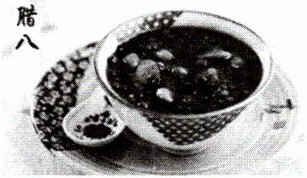
Today, people across China are celebrating the Laba Festival. It is 1.
What does this festival mean to Chinese people? It is a 2.
Long long ago, the Laba Festival 3.
4.
The festival is also the day for people to put garlic in vinegar. The garlic
7.
Customs are quite different 9.
As an old Chinese saying goes, "The Spring Festival comes right after the Laba Festival." So, get ready for a bowl of porridge while looking forward to the long-awaited family get-together.
Today, people across China are celebrating the Laba Festival. It is 1.
a
traditional Chinese festival. It's on the eighth day of the 12th lunar month.What does this festival mean to Chinese people? It is a 2.
symbol
(symbol) to tell people to prepare for the celebration of the coming Spring Festival and for wanderers to return home to get together with their families.Long long ago, the Laba Festival 3.
was
(be) a day of thanks for a good harvest. On this day, people usually ate eight-treasure porridge, porridge with the4.
mixture
(mix) of eight kinds of grains. Many temples today have the tradition of 5. giving
(give) out eight-treasure porridge to the public. The porridge 6. tastes
(taste) sweet, and it is believed to bring luck and joy.The festival is also the day for people to put garlic in vinegar. The garlic
7.
will turn
(turn) green, and this Laba garlic will be eaten with dumplings on Chinese New Year's Day. While in the past, it was used to let people remember to pay back the money they had borrowed, because the Laba Festival is near the end of the year and "garlic" in Chinese 8. sounds
(sound) the same as "calculate".Customs are quite different 9.
across
(cross) the country. People in Xining City, Northwest China's Qinghai Province, eat porridge with beef and 10. mutton
(mutton). In Yixian, East China's Anhui Province, people eat the Laba tofu.答案
1. a 2. symbol 3. was 4. mixture
5. giving 6. tastes 7. will turn
8. sounds 9. across 10. mutton
5. giving 6. tastes 7. will turn
8. sounds 9. across 10. mutton
解析
【分析】
本题为腊八节相关的语篇填空题,需结合语境、词性、时态、固定搭配等语法知识及词汇用法逐一分析每个空:
1. 考查冠词:traditional以辅音音素开头,泛指“一个传统节日”,用不定冠词a;
2. 考查名词:前面有不定冠词a,需填名词,symbol(象征)符合语境;
3. 考查动词时态:根据“Long long ago”可知是过去时,主语the Laba Festival是单数,be动词用was;
4. 考查名词:the后面需接名词,mix的名词形式mixture(混合物)符合“八种谷物的混合物”;
5. 考查非谓语动词:介词of后接动名词,give的动名词是giving;
6. 考查动词时态:主语porridge是不可数名词,一般现在时中谓语动词用第三人称单数形式tastes;
7. 考查动词时态:根据语境“大蒜会变绿”,表将来的动作,用一般将来时will turn;
8. 考查动词时态:主语“garlic”是第三人称单数,一般现在时中谓语动词用sounds;
9. 考查固定搭配:across the country是固定短语,意为“遍及全国”;
10. 考查名词:beef和mutton都是不可数名词,此处用原形mutton。
【解析】
1. 空格后是单数可数名词短语traditional Chinese festival,表泛指,且traditional以辅音音素开头,故填a;
2. 空格前有不定冠词a,需填可数名词单数,symbol意为“象征”,符合语境,故填symbol;
3. 由时间状语“Long long ago”可知句子为一般过去时,主语the Laba Festival是单数,be动词用was,故填was;
4. 空格前有定冠词the,需填名词,mix的名词形式mixture意为“混合物”,符合“八种谷物的混合物”,故填mixture;
5. 空格前是介词of,介词后接动名词作宾语,give的动名词是giving,故填giving;
6. 主语the porridge是不可数名词,句子描述客观事实用一般现在时,谓语动词用第三人称单数形式,taste的第三人称单数是tastes,故填tastes;
7. 此处表示大蒜未来会变绿,用一般将来时,结构为will+动词原形,故填will turn;
8. 主语“garlic”是第三人称单数,句子描述客观事实用一般现在时,谓语动词用第三人称单数形式,sound的第三人称单数是sounds,故填sounds;
9. 固定搭配across the country意为“遍及全国”,符合语境,故填across;
10. mutton是不可数名词,此处与beef并列,用原形,故填mutton。
【答案】
1. a 2. symbol 3. was 4. mixture 5. giving 6. tastes 7. will turn 8. sounds 9. across 10. mutton
【知识点】
冠词用法、动词时态、名词用法
【点评】
本题围绕中国传统节日腊八节展开语篇填空,既考查基础英语语法知识,又融入节日文化常识,难度适中,能帮助学生巩固词汇和语法,提升语篇理解能力。
【难度系数】
0.5
本题为腊八节相关的语篇填空题,需结合语境、词性、时态、固定搭配等语法知识及词汇用法逐一分析每个空:
1. 考查冠词:traditional以辅音音素开头,泛指“一个传统节日”,用不定冠词a;
2. 考查名词:前面有不定冠词a,需填名词,symbol(象征)符合语境;
3. 考查动词时态:根据“Long long ago”可知是过去时,主语the Laba Festival是单数,be动词用was;
4. 考查名词:the后面需接名词,mix的名词形式mixture(混合物)符合“八种谷物的混合物”;
5. 考查非谓语动词:介词of后接动名词,give的动名词是giving;
6. 考查动词时态:主语porridge是不可数名词,一般现在时中谓语动词用第三人称单数形式tastes;
7. 考查动词时态:根据语境“大蒜会变绿”,表将来的动作,用一般将来时will turn;
8. 考查动词时态:主语“garlic”是第三人称单数,一般现在时中谓语动词用sounds;
9. 考查固定搭配:across the country是固定短语,意为“遍及全国”;
10. 考查名词:beef和mutton都是不可数名词,此处用原形mutton。
【解析】
1. 空格后是单数可数名词短语traditional Chinese festival,表泛指,且traditional以辅音音素开头,故填a;
2. 空格前有不定冠词a,需填可数名词单数,symbol意为“象征”,符合语境,故填symbol;
3. 由时间状语“Long long ago”可知句子为一般过去时,主语the Laba Festival是单数,be动词用was,故填was;
4. 空格前有定冠词the,需填名词,mix的名词形式mixture意为“混合物”,符合“八种谷物的混合物”,故填mixture;
5. 空格前是介词of,介词后接动名词作宾语,give的动名词是giving,故填giving;
6. 主语the porridge是不可数名词,句子描述客观事实用一般现在时,谓语动词用第三人称单数形式,taste的第三人称单数是tastes,故填tastes;
7. 此处表示大蒜未来会变绿,用一般将来时,结构为will+动词原形,故填will turn;
8. 主语“garlic”是第三人称单数,句子描述客观事实用一般现在时,谓语动词用第三人称单数形式,sound的第三人称单数是sounds,故填sounds;
9. 固定搭配across the country意为“遍及全国”,符合语境,故填across;
10. mutton是不可数名词,此处与beef并列,用原形,故填mutton。
【答案】
1. a 2. symbol 3. was 4. mixture 5. giving 6. tastes 7. will turn 8. sounds 9. across 10. mutton
【知识点】
冠词用法、动词时态、名词用法
【点评】
本题围绕中国传统节日腊八节展开语篇填空,既考查基础英语语法知识,又融入节日文化常识,难度适中,能帮助学生巩固词汇和语法,提升语篇理解能力。
【难度系数】
0.5
