

 登录
登录
情境3 除了传统的节日,少数民族的节日也是丰富多彩的。让我们一起了解云南采茶节浓郁的民族文化吧。
任务三 ★★★ [2026浙江金华期中]阅读理解B(10分)
① The Tea-picking Festival in Yunnan is a yearly event. It celebrates the harvest (丰收) of tea leaves.
The festival has a long history and it is important to the local people.
② The festival came from an ancient custom. As time went by, the festival developed into a celebration of the tea harvest. Local people come together on this day to enjoy the fruits of their labor.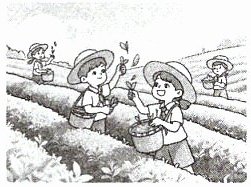
③ The main activities of the festival include tea-picking competitions, tea-making demonstrations (演示) and cultural performances. During the tea-picking competitions, people are required to pick as many tea leaves as possible within a given time. Whoever picks the most wins. The tea-making demonstrations show the traditional methods of tea-making. These methods have been passed down for many years. The cultural performances include music, dance, and other forms of activities that show the local culture.
④ For students, it is very meaningful to take part in the festival. That is because they can learn about the local culture. By taking part in the festival, students can get a deeper understanding of the history and traditions of Yunnan. They can also learn about the importance of sustainable agriculture (可持续农业).
⑤ In a word, the Yunnan Tea-picking Festival is a special cultural event that celebrates the harvest of tea leaves in Yunnan. Through its different kinds of activities and performances, the festival provides students with a valuable chance to learn about the local culture and the importance of tea in Chinese society.
()16. According to the text, why do people have the Tea-picking Festival in Yunnan?
A. Because local people like to drink tea.
B. Because Yunnan is the birthplace of tea.
C. Because they want to celebrate the harvest of tea leaves.
D. Because it can help people learn about how to pick tea leaves.
()17. What does the underlined word “labor” in Paragraph 2 probably mean?
A. Drink. B. Work. C. Study. D. Exercise.
()18. What can we know about the festival from the text?
A. The festival came from an ancient custom.
B. The Tea-picking Festival is held every four years.
C. It mentioned five main activities of the festival in the text.
D. Students can get a deeper understanding of the development of Yunnan.
()19. What can be the best title for the text?
A. The Colorful Culture in Yunnan B. The Importance of Tea in Yunnan
C. The Tea-picking Festival in Yunnan D. The Valuable Chance for Yunnan Tea
()20. 新考法·篇章结构 What is the structure of the text?

A. ①连接②③④,②③④连接⑤
B. ①连接②,②连接③④⑤
C. ①连接②③④⑤
D. ①连接②③,②连接④,③连接⑤
情境4 家是心底最暖的归属,“每逢佳节倍思亲”,中秋节正是阖家团圆的重要时刻。在这个满载思念与温情的节日里,人们都会用哪些传统活动寄托心意呢?
任务四 阅读还原(有两项多余)(10分)
The Mid-Autumn Festival is also known as the Moon Festival. It is celebrated on the 15th day of the eighth month on the Chinese lunar calendar.
The festival dates back over 1,000 years. Ancient Chinese people found out that the moon would be at its fullest in the middle of every lunar month. 21. . So the date of the festival was decided.
For Chinese people, the Mid-Autumn Festival has a special meaning. The round shape of the moon stands for the family reunion and makes people miss the faraway relatives. 22. . For those who are far away from home, looking at the same moon makes them think of connecting with their beloved people and land.
23. . It’s also about the joy of harvesting and the good relationship between humans and nature.
The Mid-Autumn Festival is a mixture of customs. Most of the customs have ancient origins (起源). The most important part of the festival celebration is enjoying the full moon. Besides, in ancient China, people believed that the moon was closely related to agricultural (农业的) production. 24. .
In modern times, people enjoy mooncakes to celebrate the festival. 25. . For example, in some places, people admire the moon and carry bright lanterns. In some other areas, people perform dragon and lion dances.
A. Early in every month, it’s the smallest
B. Also, in the middle of autumn, it’s at its brightest
C. People just get together on the Mid-Autumn Festival
D. The festival is not just about the family reunion, though
E. There are also many other activities to celebrate the day
F. So on that day, all Chinese people look at the same round moon
G. As a result, the Moon Festival became very important in ancient China
情境5 中华文化上下五千年,孕育了底蕴深厚的节日文化。在这些节日里,既有寄托亲情思念的温暖时刻,也有顺应时节的采摘之乐,也有缅怀英雄先烈的崇敬之举,各有深意。
任务五 书面表达(15分)
假定你是李华,你的英国笔友Tom对中国的传统节日端午节很感兴趣,写信向你询问相关信息。请你给他写一封回信,内容包括:
1. 端午节的时间(农历五月初五)及庆祝原因(纪念屈原);
2. 端午节的主要庆祝活动,如吃粽子、赛龙舟等;
3. 邀请他来中国体验端午节。
要求:1. 词数80-120;2. 可适当增加细节,以使行文连贯;3. 信的开头和结尾已给出,不计入总词数。
Dear Tom,
Yours,
Li Hua
任务三 ★★★ [2026浙江金华期中]阅读理解B(10分)
① The Tea-picking Festival in Yunnan is a yearly event. It celebrates the harvest (丰收) of tea leaves.
The festival has a long history and it is important to the local people.
② The festival came from an ancient custom. As time went by, the festival developed into a celebration of the tea harvest. Local people come together on this day to enjoy the fruits of their labor.
③ The main activities of the festival include tea-picking competitions, tea-making demonstrations (演示) and cultural performances. During the tea-picking competitions, people are required to pick as many tea leaves as possible within a given time. Whoever picks the most wins. The tea-making demonstrations show the traditional methods of tea-making. These methods have been passed down for many years. The cultural performances include music, dance, and other forms of activities that show the local culture.
④ For students, it is very meaningful to take part in the festival. That is because they can learn about the local culture. By taking part in the festival, students can get a deeper understanding of the history and traditions of Yunnan. They can also learn about the importance of sustainable agriculture (可持续农业).
⑤ In a word, the Yunnan Tea-picking Festival is a special cultural event that celebrates the harvest of tea leaves in Yunnan. Through its different kinds of activities and performances, the festival provides students with a valuable chance to learn about the local culture and the importance of tea in Chinese society.
()16. According to the text, why do people have the Tea-picking Festival in Yunnan?
A. Because local people like to drink tea.
B. Because Yunnan is the birthplace of tea.
C. Because they want to celebrate the harvest of tea leaves.
D. Because it can help people learn about how to pick tea leaves.
()17. What does the underlined word “labor” in Paragraph 2 probably mean?
A. Drink. B. Work. C. Study. D. Exercise.
()18. What can we know about the festival from the text?
A. The festival came from an ancient custom.
B. The Tea-picking Festival is held every four years.
C. It mentioned five main activities of the festival in the text.
D. Students can get a deeper understanding of the development of Yunnan.
()19. What can be the best title for the text?
A. The Colorful Culture in Yunnan B. The Importance of Tea in Yunnan
C. The Tea-picking Festival in Yunnan D. The Valuable Chance for Yunnan Tea
()20. 新考法·篇章结构 What is the structure of the text?
A. ①连接②③④,②③④连接⑤
B. ①连接②,②连接③④⑤
C. ①连接②③④⑤
D. ①连接②③,②连接④,③连接⑤
情境4 家是心底最暖的归属,“每逢佳节倍思亲”,中秋节正是阖家团圆的重要时刻。在这个满载思念与温情的节日里,人们都会用哪些传统活动寄托心意呢?
任务四 阅读还原(有两项多余)(10分)
The Mid-Autumn Festival is also known as the Moon Festival. It is celebrated on the 15th day of the eighth month on the Chinese lunar calendar.
The festival dates back over 1,000 years. Ancient Chinese people found out that the moon would be at its fullest in the middle of every lunar month. 21. . So the date of the festival was decided.
For Chinese people, the Mid-Autumn Festival has a special meaning. The round shape of the moon stands for the family reunion and makes people miss the faraway relatives. 22. . For those who are far away from home, looking at the same moon makes them think of connecting with their beloved people and land.
23. . It’s also about the joy of harvesting and the good relationship between humans and nature.
The Mid-Autumn Festival is a mixture of customs. Most of the customs have ancient origins (起源). The most important part of the festival celebration is enjoying the full moon. Besides, in ancient China, people believed that the moon was closely related to agricultural (农业的) production. 24. .
In modern times, people enjoy mooncakes to celebrate the festival. 25. . For example, in some places, people admire the moon and carry bright lanterns. In some other areas, people perform dragon and lion dances.
A. Early in every month, it’s the smallest
B. Also, in the middle of autumn, it’s at its brightest
C. People just get together on the Mid-Autumn Festival
D. The festival is not just about the family reunion, though
E. There are also many other activities to celebrate the day
F. So on that day, all Chinese people look at the same round moon
G. As a result, the Moon Festival became very important in ancient China
情境5 中华文化上下五千年,孕育了底蕴深厚的节日文化。在这些节日里,既有寄托亲情思念的温暖时刻,也有顺应时节的采摘之乐,也有缅怀英雄先烈的崇敬之举,各有深意。
任务五 书面表达(15分)
假定你是李华,你的英国笔友Tom对中国的传统节日端午节很感兴趣,写信向你询问相关信息。请你给他写一封回信,内容包括:
1. 端午节的时间(农历五月初五)及庆祝原因(纪念屈原);
2. 端午节的主要庆祝活动,如吃粽子、赛龙舟等;
3. 邀请他来中国体验端午节。
要求:1. 词数80-120;2. 可适当增加细节,以使行文连贯;3. 信的开头和结尾已给出,不计入总词数。
Dear Tom,
Yours,
Li Hua
答案
任务三 答案速查 16.C 17.B 18.A 19.C 20.A
【主旨大意】本文介绍了云南的采茶节。
16. C【点拨】细节理解题。根据“The Tea-picking Festival in Yunnan is a yearly event. It celebrates the harvest(丰收)of tea leaves.”可知,人们欢庆采茶节是为了庆祝茶叶的丰收。
17. B【点拨】词义猜测题。根据“Local people come together on this day to enjoy the fruits of their labor.”可知,人们欢度采茶节来享受他们劳动的果实,labor意为“劳动”,与work含义接近。
18. A【点拨】细节理解题。根据“The festival came from an ancient custom.”可知,这个节日来自一个古老的习俗。
19. C【点拨】最佳标题题。根据“The Tea-picking Festival in Yunnan is a yearly event. It celebrates the harvest(丰收)of tea leaves.”可知,本文主要介绍了云南的采茶节。选项C“云南的采茶节”作为标题最合适。
20. A【点拨】篇章结构题。文章第一段总起全文,引出“采茶节”这一话题,第二至四段分别介绍了节日的由来、主要的庆祝活动和庆祝这个节日对学生的意义,第五段总结全文。因此文章的结构为总—分—总。
任务四【主旨大意】本文介绍了中秋节的日期由来、文化内涵以及古今庆祝习俗的演变。
21.B 22.F 23.D 24.G 25.E
任务五 范文:
Dear Tom,
I’m glad to hear from you. You asked me about the Dragon Boat Festival, and I’m more than happy to tell you something about it.
The Dragon Boat Festival falls on the fifth day of the fifth lunar month. It is to honor the great poet Qu Yuan, who was a patriotic official and committed suicide by drowning himself in the Miluo River.
During this festival, people enjoy various activities. Eating zongzi, the pyramid-shaped rice dumplings wrapped in bamboo leaves, is a must. Zongzi is really delicious. Also, dragon boat races are held in many places. The exciting races with teams paddling their boats as fast as possible are really a wonderful sight.
I sincerely hope you can come to China to experience this special festival. I’m sure you’ll have a great time.
Best wishes!
Yours,
Li Hua
【主旨大意】本文介绍了云南的采茶节。
16. C【点拨】细节理解题。根据“The Tea-picking Festival in Yunnan is a yearly event. It celebrates the harvest(丰收)of tea leaves.”可知,人们欢庆采茶节是为了庆祝茶叶的丰收。
17. B【点拨】词义猜测题。根据“Local people come together on this day to enjoy the fruits of their labor.”可知,人们欢度采茶节来享受他们劳动的果实,labor意为“劳动”,与work含义接近。
18. A【点拨】细节理解题。根据“The festival came from an ancient custom.”可知,这个节日来自一个古老的习俗。
19. C【点拨】最佳标题题。根据“The Tea-picking Festival in Yunnan is a yearly event. It celebrates the harvest(丰收)of tea leaves.”可知,本文主要介绍了云南的采茶节。选项C“云南的采茶节”作为标题最合适。
20. A【点拨】篇章结构题。文章第一段总起全文,引出“采茶节”这一话题,第二至四段分别介绍了节日的由来、主要的庆祝活动和庆祝这个节日对学生的意义,第五段总结全文。因此文章的结构为总—分—总。
任务四【主旨大意】本文介绍了中秋节的日期由来、文化内涵以及古今庆祝习俗的演变。
21.B 22.F 23.D 24.G 25.E
任务五 范文:
Dear Tom,
I’m glad to hear from you. You asked me about the Dragon Boat Festival, and I’m more than happy to tell you something about it.
The Dragon Boat Festival falls on the fifth day of the fifth lunar month. It is to honor the great poet Qu Yuan, who was a patriotic official and committed suicide by drowning himself in the Miluo River.
During this festival, people enjoy various activities. Eating zongzi, the pyramid-shaped rice dumplings wrapped in bamboo leaves, is a must. Zongzi is really delicious. Also, dragon boat races are held in many places. The exciting races with teams paddling their boats as fast as possible are really a wonderful sight.
I sincerely hope you can come to China to experience this special festival. I’m sure you’ll have a great time.
Best wishes!
Yours,
Li Hua
解析
【解析】
任务三 阅读理解
16. 细节理解题:根据原文第一段“The Tea-picking Festival in Yunnan is a yearly event. It celebrates the harvest of tea leaves.”,可知云南采茶节的举办目的是庆祝茶叶丰收,对应选项C。
17. 词义猜测题:划线词所在句“Local people come together on this day to enjoy the fruits of their labor.”,结合采茶节的劳动背景,采茶属于劳作,labor含义为劳动,和选项B的Work(工作、劳作)语义接近。
18. 细节理解题:根据原文第二段“The festival came from an ancient custom.”可直接得出A表述正确;B选项文中第一段说明采茶节是年度活动,并非每四年举办一次,表述错误;C选项第三段仅提到3项主要节日活动,并非5项,表述错误;D选项第四段说明学生可以加深对云南历史和传统的理解,而非云南的发展,表述错误。
19. 标题归纳题:全文围绕云南采茶节展开,分别介绍其起源、活动、文化意义,核心主题就是云南采茶节,C选项最贴合全文内容。
20. 篇章结构题:第①段总起全文,引出云南采茶节的话题;第②③④段分别从节日起源、节日活动、节日对学生的意义三个维度展开分述;第⑤段总结全文,属于典型的总-分-总结构,对应选项A的描述。
任务四 阅读还原
21. 前文提到古人发现农历月中月亮最圆,B选项“Also, in the middle of autumn, it’s at its brightest”承接上文,补充中秋时节月亮也最亮,顺理成章推导出节日日期被确定,符合语境。
22. 前文提到圆月象征团圆、唤起人们对远方亲人的思念,F选项“So on that day, all Chinese people look at the same round moon”承接团圆的内涵,引出后文异乡人共赏明月思念亲友的内容,逻辑通顺。
23. 后文出现“It's also about...”的表述,D选项“The festival is not just about the family reunion, though”中的“not just”和后文的“also”形成固定搭配,衔接自然。
24. 前文提到古人认为月亮和农业生产密切相关,G选项“As a result, the Moon Festival became very important in ancient China”是前文内容推导的结果,符合逻辑。
25. 后文列举了赏月、提花灯、舞龙舞狮等其他节日活动,E选项“There are also many other activities to celebrate the day”引出下文的活动举例,匹配语境。
任务五 书面表达
写作思路:首先开篇回应对方的来信,引出端午节的话题;其次依次介绍端午节的农历时间、纪念屈原的设立缘由,以及吃粽子、赛龙舟等特色庆祝活动,可适当补充细节丰富内容;最后发出来华体验节日的邀请,保证词数在80-120区间,行文连贯,符合书信格式要求。参考范文如下:
Dear Tom,
I’m glad to hear from you. You asked me about the Dragon Boat Festival, and I’m more than happy to tell you something about it.
The Dragon Boat Festival falls on the fifth day of the fifth lunar month. It is held to honor the great ancient poet Qu Yuan, who is respected for his deep love for his country.
During the festival, people have many traditional activities. We usually eat zongzi, a kind of sticky rice wrapped in bamboo leaves. And exciting dragon boat races are held in many places, which are really fun to watch.
I really hope you can come to China and spend the Dragon Boat Festival with me one day. I’m sure you will love it.
Yours,
Li Hua
【答案】
任务三:16.C 17.B 18.A 19.C 20.A
任务四:21.B 22.F 23.D 24.G 25.E
任务五:参考范文如上
【知识点】
细节理解 词义猜测 篇章结构
【点评】
本题围绕中国传统节日主题,融合了阅读理解、阅读还原和书信类书面表达三类常见中考题型,既考查学生的文本信息提取、词义推测、语篇逻辑梳理能力,也结合新考法的篇章结构题型考察学生对文章框架的整体把握,同时渗透中国传统文化相关的英语表达,引导学生用英语传播中国文化。
【难度系数】
0.65
任务三 阅读理解
16. 细节理解题:根据原文第一段“The Tea-picking Festival in Yunnan is a yearly event. It celebrates the harvest of tea leaves.”,可知云南采茶节的举办目的是庆祝茶叶丰收,对应选项C。
17. 词义猜测题:划线词所在句“Local people come together on this day to enjoy the fruits of their labor.”,结合采茶节的劳动背景,采茶属于劳作,labor含义为劳动,和选项B的Work(工作、劳作)语义接近。
18. 细节理解题:根据原文第二段“The festival came from an ancient custom.”可直接得出A表述正确;B选项文中第一段说明采茶节是年度活动,并非每四年举办一次,表述错误;C选项第三段仅提到3项主要节日活动,并非5项,表述错误;D选项第四段说明学生可以加深对云南历史和传统的理解,而非云南的发展,表述错误。
19. 标题归纳题:全文围绕云南采茶节展开,分别介绍其起源、活动、文化意义,核心主题就是云南采茶节,C选项最贴合全文内容。
20. 篇章结构题:第①段总起全文,引出云南采茶节的话题;第②③④段分别从节日起源、节日活动、节日对学生的意义三个维度展开分述;第⑤段总结全文,属于典型的总-分-总结构,对应选项A的描述。
任务四 阅读还原
21. 前文提到古人发现农历月中月亮最圆,B选项“Also, in the middle of autumn, it’s at its brightest”承接上文,补充中秋时节月亮也最亮,顺理成章推导出节日日期被确定,符合语境。
22. 前文提到圆月象征团圆、唤起人们对远方亲人的思念,F选项“So on that day, all Chinese people look at the same round moon”承接团圆的内涵,引出后文异乡人共赏明月思念亲友的内容,逻辑通顺。
23. 后文出现“It's also about...”的表述,D选项“The festival is not just about the family reunion, though”中的“not just”和后文的“also”形成固定搭配,衔接自然。
24. 前文提到古人认为月亮和农业生产密切相关,G选项“As a result, the Moon Festival became very important in ancient China”是前文内容推导的结果,符合逻辑。
25. 后文列举了赏月、提花灯、舞龙舞狮等其他节日活动,E选项“There are also many other activities to celebrate the day”引出下文的活动举例,匹配语境。
任务五 书面表达
写作思路:首先开篇回应对方的来信,引出端午节的话题;其次依次介绍端午节的农历时间、纪念屈原的设立缘由,以及吃粽子、赛龙舟等特色庆祝活动,可适当补充细节丰富内容;最后发出来华体验节日的邀请,保证词数在80-120区间,行文连贯,符合书信格式要求。参考范文如下:
Dear Tom,
I’m glad to hear from you. You asked me about the Dragon Boat Festival, and I’m more than happy to tell you something about it.
The Dragon Boat Festival falls on the fifth day of the fifth lunar month. It is held to honor the great ancient poet Qu Yuan, who is respected for his deep love for his country.
During the festival, people have many traditional activities. We usually eat zongzi, a kind of sticky rice wrapped in bamboo leaves. And exciting dragon boat races are held in many places, which are really fun to watch.
I really hope you can come to China and spend the Dragon Boat Festival with me one day. I’m sure you will love it.
Yours,
Li Hua
【答案】
任务三:16.C 17.B 18.A 19.C 20.A
任务四:21.B 22.F 23.D 24.G 25.E
任务五:参考范文如上
【知识点】
细节理解 词义猜测 篇章结构
【点评】
本题围绕中国传统节日主题,融合了阅读理解、阅读还原和书信类书面表达三类常见中考题型,既考查学生的文本信息提取、词义推测、语篇逻辑梳理能力,也结合新考法的篇章结构题型考察学生对文章框架的整体把握,同时渗透中国传统文化相关的英语表达,引导学生用英语传播中国文化。
【难度系数】
0.65
