

 登录
登录
一、我们一起来看看蚂蚁和蚂蚱的故事吧! 完形填空。
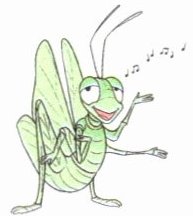
One summer day, a grasshopper(蚂蚱)was singing. He 1 an ant carrying a grain of(一粒)rice to its home.
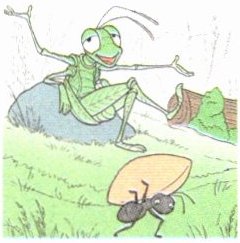
"Why are you working so hard?" asked the grasshopper. "Come and play with me!" "I can't play," said the ant. "I'm saving food for the cold 2. You should save food too." The grasshopper laughed. "Winter is far away! I have enough food now. I want to play in summer!"
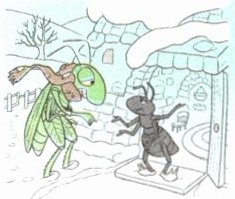
When winter came, the snow covered the ground. The grasshopper had no food to eat. He was 3 and hungry. He went to the ant's home. "Can you give me some 4?" asked the grasshopper. "I saved food all summer," said the ant. "You spent your time playing. Now you have to learn to manage your food, just like we 5 our money."
The grasshopper felt very sorry. From then on, he learnt to work hard and save for the future.
(
(
(
(
(
One summer day, a grasshopper(蚂蚱)was singing. He 1 an ant carrying a grain of(一粒)rice to its home.
"Why are you working so hard?" asked the grasshopper. "Come and play with me!" "I can't play," said the ant. "I'm saving food for the cold 2. You should save food too." The grasshopper laughed. "Winter is far away! I have enough food now. I want to play in summer!"
When winter came, the snow covered the ground. The grasshopper had no food to eat. He was 3 and hungry. He went to the ant's home. "Can you give me some 4?" asked the grasshopper. "I saved food all summer," said the ant. "You spent your time playing. Now you have to learn to manage your food, just like we 5 our money."
The grasshopper felt very sorry. From then on, he learnt to work hard and save for the future.
(
A
) 1. A. saw B. listened C. smelled(
B
) 2. A. summer B. winter C. spring(
C
) 3. A. hot B. warm C. cold(
C
) 4. A. water B. clothes C. food(
A
) 5. A. manage B. save C. use答案
1. A 2. B 3. C 4. C 5. A
解析 1. 句意: 他________一只蚂蚁正搬运一粒米回窝。saw(see过去式)表示看见。故选A。
2. 蚂蚁在夏天辛苦的存粮是为了寒冷的________,后文多次出现winter。故选B。
3. 冬天大雪覆盖大地,蚂蚱没有粮食,又________又饿。cold寒冷的。故选C。
4. 根据前文“The grasshopper had no food to eat(蚂蚱没有食物可吃)”可知,它来讨要食物food。故选C。
5. 根据前文“learn to manage your food(学会规划你的食物)”可知,类比像我们规划零花钱一样, manage money管理钱财,故选A。
解析 1. 句意: 他________一只蚂蚁正搬运一粒米回窝。saw(see过去式)表示看见。故选A。
2. 蚂蚁在夏天辛苦的存粮是为了寒冷的________,后文多次出现winter。故选B。
3. 冬天大雪覆盖大地,蚂蚱没有粮食,又________又饿。cold寒冷的。故选C。
4. 根据前文“The grasshopper had no food to eat(蚂蚱没有食物可吃)”可知,它来讨要食物food。故选C。
5. 根据前文“learn to manage your food(学会规划你的食物)”可知,类比像我们规划零花钱一样, manage money管理钱财,故选A。
解析
【分析】
这是一篇寓言故事类完形填空,解题思路为:1. 先通读全文,把握故事主旨(夏天蚂蚱玩乐不存粮,冬天挨饿向蚂蚁求助,蚂蚁教导它要为未来储蓄);2. 逐空分析,结合上下文语境、词义辨析及前后文提示,排除不符合的选项,选出正确答案。
【解析】
1. 句意:他看见一只蚂蚁搬运一粒米回窝。saw是see的过去式,意为“看见”;listen(听)需加介词to,smell意为“闻”,结合语境选A。
2. 蚂蚁夏天存粮是为了寒冷的冬天,后文多次出现winter提示,故选B。
3. 冬天大雪覆盖大地,蚂蚱没有食物,又冷又饿,cold(寒冷的)符合语境,故选C。
4. 前文明确提到“The grasshopper had no food to eat”,因此蚂蚱来讨要食物,选C。
5. 前文提到“learn to manage your food”,此处类比“管理钱财”,manage意为“管理”,save意为“节省”,use意为“使用”,结合语境选A。
【答案】
1.A 2.B 3.C 4.C 5.A
【知识点】
完形填空、词汇辨析、语境理解
【点评】
本题以经典寓言故事为载体,考查学生对上下文语境的理解及常用词汇的辨析能力,内容简单易懂,贴近学生认知,是基础型完形填空题。
【难度系数】
0.3
这是一篇寓言故事类完形填空,解题思路为:1. 先通读全文,把握故事主旨(夏天蚂蚱玩乐不存粮,冬天挨饿向蚂蚁求助,蚂蚁教导它要为未来储蓄);2. 逐空分析,结合上下文语境、词义辨析及前后文提示,排除不符合的选项,选出正确答案。
【解析】
1. 句意:他看见一只蚂蚁搬运一粒米回窝。saw是see的过去式,意为“看见”;listen(听)需加介词to,smell意为“闻”,结合语境选A。
2. 蚂蚁夏天存粮是为了寒冷的冬天,后文多次出现winter提示,故选B。
3. 冬天大雪覆盖大地,蚂蚱没有食物,又冷又饿,cold(寒冷的)符合语境,故选C。
4. 前文明确提到“The grasshopper had no food to eat”,因此蚂蚱来讨要食物,选C。
5. 前文提到“learn to manage your food”,此处类比“管理钱财”,manage意为“管理”,save意为“节省”,use意为“使用”,结合语境选A。
【答案】
1.A 2.B 3.C 4.C 5.A
【知识点】
完形填空、词汇辨析、语境理解
【点评】
本题以经典寓言故事为载体,考查学生对上下文语境的理解及常用词汇的辨析能力,内容简单易懂,贴近学生认知,是基础型完形填空题。
【难度系数】
0.3
二、学校开展“绿色校园”活动,要求同学们对垃圾进行分类。任务型阅读。
任务一:根据垃圾分类规则,判断下列物品属于哪类垃圾,连线。
1. Old newspapers
2. Banana peels
3. Used batteries
4. Plastic bottles
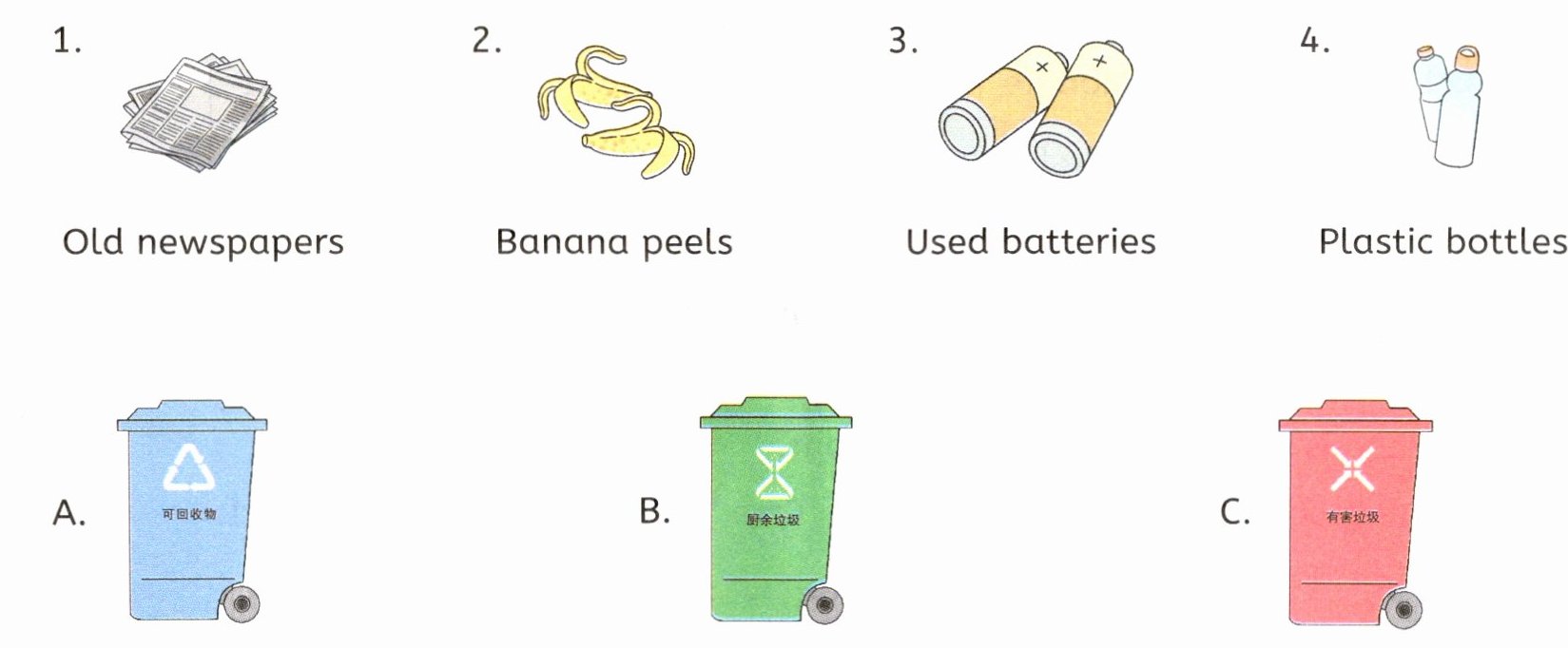
A. 可回收物
B. 厨余垃圾
C. 有害垃圾
任务二:仿照示例写两条节能小贴士,使用句型 "We should ..." / "We can ..."
示例:We should turn off the lights when we leave the classroom.
任务一:根据垃圾分类规则,判断下列物品属于哪类垃圾,连线。
1. Old newspapers
2. Banana peels
3. Used batteries
4. Plastic bottles
A. 可回收物
B. 厨余垃圾
C. 有害垃圾
任务二:仿照示例写两条节能小贴士,使用句型 "We should ..." / "We can ..."
示例:We should turn off the lights when we leave the classroom.
We can take quick showers.
We should always unplug our computers or TVs when we don't use them.
答案
任务一:1. A 2. B 3. C 4. A
解析 1. 旧报纸能回收再加工利用,归可回收物,故选A。
2. 香蕉皮是果皮,易腐烂,属于厨余垃圾,故选B。
3. 废旧电池含有有害的化学物质,会污染环境,属于有害垃圾,故选C。
4. 塑料瓶材质可回收再加工,属于可回收垃圾,故选A。
任务二: We can take quick showers. We should always unplug our computers or TVs when we don't use them.(答案不唯一)
解析 题目要求用We should+动词原形/We can+动词原形,围绕节能、环保、废物再利用造句; should侧重“应当做”,can侧重“可以做”,紧扣节约资源主题即可。
解析 1. 旧报纸能回收再加工利用,归可回收物,故选A。
2. 香蕉皮是果皮,易腐烂,属于厨余垃圾,故选B。
3. 废旧电池含有有害的化学物质,会污染环境,属于有害垃圾,故选C。
4. 塑料瓶材质可回收再加工,属于可回收垃圾,故选A。
任务二: We can take quick showers. We should always unplug our computers or TVs when we don't use them.(答案不唯一)
解析 题目要求用We should+动词原形/We can+动词原形,围绕节能、环保、废物再利用造句; should侧重“应当做”,can侧重“可以做”,紧扣节约资源主题即可。
解析
【分析】
首先处理任务一:需明确三类垃圾的定义,可回收物是可回收再加工利用的垃圾,厨余垃圾是易腐烂的生活垃圾,有害垃圾是含有害物质、会污染环境的垃圾,再对应物品判断分类;任务二:需用"We should..."或"We can..."句型,围绕节能、环保主题写句子,should侧重“应当做”,can侧重“可以做”,符合要求即可。
【解析】
任务一:1.旧报纸可回收再加工,属于可回收物,对应A;2.香蕉皮是易腐烂的果皮,属于厨余垃圾,对应B;3.废旧电池含有害化学物质,会污染环境,属于有害垃圾,对应C;4.塑料瓶可回收再加工,属于可回收物,对应A。
任务二:需使用"We should + 动词原形"或"We can + 动词原形"的句型,围绕节能、环保主题造句,如节约用水、节约用电相关内容,符合要求即可,示例句子为:We can take quick showers. We should always unplug our computers or TVs when we don't use them。
【答案】
任务一:1.A 2.B 3.C 4.A;任务二:We can take quick showers. We should always unplug our computers or TVs when we don't use them.(答案不唯一)
【知识点】
垃圾分类、英语句型运用、环保常识
【点评】
本题结合环保常识与英语基础句型考查,贴近生活,既巩固了垃圾分类知识,又练习了英语实用表达,难度适中。
【难度系数】
0.6
首先处理任务一:需明确三类垃圾的定义,可回收物是可回收再加工利用的垃圾,厨余垃圾是易腐烂的生活垃圾,有害垃圾是含有害物质、会污染环境的垃圾,再对应物品判断分类;任务二:需用"We should..."或"We can..."句型,围绕节能、环保主题写句子,should侧重“应当做”,can侧重“可以做”,符合要求即可。
【解析】
任务一:1.旧报纸可回收再加工,属于可回收物,对应A;2.香蕉皮是易腐烂的果皮,属于厨余垃圾,对应B;3.废旧电池含有害化学物质,会污染环境,属于有害垃圾,对应C;4.塑料瓶可回收再加工,属于可回收物,对应A。
任务二:需使用"We should + 动词原形"或"We can + 动词原形"的句型,围绕节能、环保主题造句,如节约用水、节约用电相关内容,符合要求即可,示例句子为:We can take quick showers. We should always unplug our computers or TVs when we don't use them。
【答案】
任务一:1.A 2.B 3.C 4.A;任务二:We can take quick showers. We should always unplug our computers or TVs when we don't use them.(答案不唯一)
【知识点】
垃圾分类、英语句型运用、环保常识
【点评】
本题结合环保常识与英语基础句型考查,贴近生活,既巩固了垃圾分类知识,又练习了英语实用表达,难度适中。
【难度系数】
0.6
