

 登录
登录
第一部分 听对话回答问题
1. What does the boy need?
A. B. C.
B. C.
2. What fruit is at the girl's home?
A. B. C.
B. C.
3. What is the girl looking for?
A.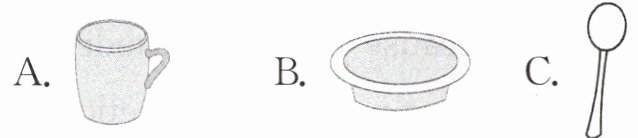 B. C.
B. C.
4. What did the girl draw on the card?
A. B. C.
B. C.
5. Who taught Lucy to make a fruit salad?
A. Her mother. B. Her sister.
C. Her grandmother.
6. How much sugar do they need?
A. One spoon. B. Two spoons.
C. Three spoons.
7. What was Tony doing when the girl saw him?
A. He was making cards.
B. He was playing cards.
C. He was buying Christmas cards.
8. What will the man do tomorrow?
A. He will fly a kite.
B. He will have a picnic.
C. He will go on a camping trip.
9. Why does the girl collect so many old newspapers?
A. To make paper cuttings.
B. To sell for money.
C. To look for information she needs.
10. What will the boy do?
A. Play with the girl.
B. Lend his bike to the girl.
C. Repair the bike for the girl.
第二部分 听对话和短文回答问题
1. What does the boy need?
A.
B. C.2. What fruit is at the girl's home?
A.
B. C.3. What is the girl looking for?
A.
B. C.4. What did the girl draw on the card?
A.
B. C.5. Who taught Lucy to make a fruit salad?
A. Her mother. B. Her sister.
C. Her grandmother.
6. How much sugar do they need?
A. One spoon. B. Two spoons.
C. Three spoons.
7. What was Tony doing when the girl saw him?
A. He was making cards.
B. He was playing cards.
C. He was buying Christmas cards.
8. What will the man do tomorrow?
A. He will fly a kite.
B. He will have a picnic.
C. He will go on a camping trip.
9. Why does the girl collect so many old newspapers?
A. To make paper cuttings.
B. To sell for money.
C. To look for information she needs.
10. What will the boy do?
A. Play with the girl.
B. Lend his bike to the girl.
C. Repair the bike for the girl.
第二部分 听对话和短文回答问题
答案
1.B 2.A 3.C 4.B 5.A 6.C 7.B 8.B 9.A 10.C
听一段对话,回答第11~12小题。
11. What is David doing?
A. He is choosing a birthday card.
B. He is making a birthday card.
C. He is making a birthday cake.
12. What will he do later?
A. Draw a picture.
B. Give Allan a call.
C. Write some words.
11. What is David doing?
A. He is choosing a birthday card.
B. He is making a birthday card.
C. He is making a birthday cake.
12. What will he do later?
A. Draw a picture.
B. Give Allan a call.
C. Write some words.
答案
11.B 12.C
听第一篇短文,完成第13~15小题。
Interesting stone mounds(石墩)
The picture:
Time spent in finishing them:
They were
13. A. Conan B. Pleasant Goat
C. Doraemon
14. A. a whole weekend B. a weekend evening
C. a whole Sunday
15. A. welcomed B. drawn C. bought
Interesting stone mounds(石墩)
The picture:
C
13Time spent in finishing them:
B
14They were
A
15 by teachers and students.13. A. Conan B. Pleasant Goat
C. Doraemon
14. A. a whole weekend B. a weekend evening
C. a whole Sunday
15. A. welcomed B. drawn C. bought
答案
13.C 14.B 15.A
听第二篇短文,回答第16~20小题。
16. How many TV problems are mentioned in the passage?
A. Three. B. Four. C. Five.
17. Which activity of the following is not mentioned in the passage?
A. Painting pictures. B. Playing chess. C. Reading books.
18. Why watching too much TV is bad for our family life?
A. Because they could fight.
B. Because you will get fatter.
C. Because they don't talk too much while watching TV.
19. What will our lives be like without TV?
A. Boring. B. Amazing. C. Colourful.
20. What does the main idea of the passage?
A. Buying fewer TV sets.
B. Watching TV less.
C. Stopping watching TV.
16. How many TV problems are mentioned in the passage?
A. Three. B. Four. C. Five.
17. Which activity of the following is not mentioned in the passage?
A. Painting pictures. B. Playing chess. C. Reading books.
18. Why watching too much TV is bad for our family life?
A. Because they could fight.
B. Because you will get fatter.
C. Because they don't talk too much while watching TV.
19. What will our lives be like without TV?
A. Boring. B. Amazing. C. Colourful.
20. What does the main idea of the passage?
A. Buying fewer TV sets.
B. Watching TV less.
C. Stopping watching TV.
答案
16.B 17.B 18.C 19.C 20.B
