

 登录
登录
A
KEY→P8
范畴:人与社会 主题:科学技术 体裁:新闻报道 难度:★★★★ 建议用时:7分钟 评价:/4
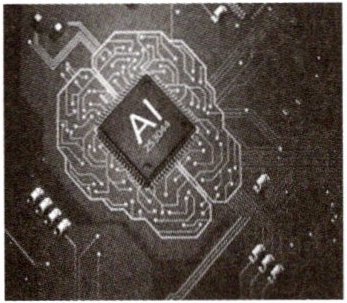
热考素材 时事热点 When AI brings great convenience we have never experienced before, what makes humans valuable? A group of high school students in southern China gave their answers.
Yu Yaxuan is a Chinese teacher from Shenzhen. Recently, she collected 54 surveys from her students and asked them just one question, "Choose one Chinese character to prove you are not AI. Which character would you pick?"
The students' answers surprised her. Later, a video about this activity became popular online, touching many people deeply and causing a heated discussion about what it means to be human.
One surprising answer was "mother". A student explained that this is the first word most humans learn and a symbol of protection. Parents are our last line of protection against death, but robots do not have a mother.
Two students gave seemingly opposite answers: "quick" and "slow". One student wrote, "Robots don't understand why humans are always in a hurry. If a hospital needs 30 minutes to produce test results, why do patients check every few minutes?"
Another student had a different opinion. He said, "Speed and efficiency are what AI stands for, but humans want to slow down with the people they care about. AI always tries to be fast and correct, but I hope humans can walk slowly, speak slowly, and grow up slowly."
Other students chose words like "doubt" and "limit". One student asked, "Will AI ever doubt the people who created it?" Another wrote, "AI has no end, but everything about me has an end. I am more valuable because I have an end."
(
A. To make a video about students.
B. To get right answers from students.
C. To test students' Chinese knowledge.
D. To help students think about human value.
(
A. The ability to work well without waste.
B. The slow speed of task completion.
C. The need to care about others.
D. The habit of being in a hurry.
(
A. Why the student chose "mother" as the answer.
B. How robots can protect humans like parents.
C. What the first word most humans learn is.
D. Why parents are the last line of protection.
(
A. Ways to use AI in schools.
B. The history of Chinese characters.
C. More ideas about humans and AI.
D. How to develop better AI technology.
KEY→P8
范畴:人与社会 主题:科学技术 体裁:新闻报道 难度:★★★★ 建议用时:7分钟 评价:/4
热考素材 时事热点 When AI brings great convenience we have never experienced before, what makes humans valuable? A group of high school students in southern China gave their answers.
Yu Yaxuan is a Chinese teacher from Shenzhen. Recently, she collected 54 surveys from her students and asked them just one question, "Choose one Chinese character to prove you are not AI. Which character would you pick?"
The students' answers surprised her. Later, a video about this activity became popular online, touching many people deeply and causing a heated discussion about what it means to be human.
One surprising answer was "mother". A student explained that this is the first word most humans learn and a symbol of protection. Parents are our last line of protection against death, but robots do not have a mother.
Two students gave seemingly opposite answers: "quick" and "slow". One student wrote, "Robots don't understand why humans are always in a hurry. If a hospital needs 30 minutes to produce test results, why do patients check every few minutes?"
Another student had a different opinion. He said, "Speed and efficiency are what AI stands for, but humans want to slow down with the people they care about. AI always tries to be fast and correct, but I hope humans can walk slowly, speak slowly, and grow up slowly."
Other students chose words like "doubt" and "limit". One student asked, "Will AI ever doubt the people who created it?" Another wrote, "AI has no end, but everything about me has an end. I am more valuable because I have an end."
(
D
)1. Why did the teacher ask the question in Paragraph 2?A. To make a video about students.
B. To get right answers from students.
C. To test students' Chinese knowledge.
D. To help students think about human value.
(
A
)2. What does the underlined word "efficiency" in Paragraph 6 probably mean?A. The ability to work well without waste.
B. The slow speed of task completion.
C. The need to care about others.
D. The habit of being in a hurry.
(
A
)3. What is the main idea of Paragraph 4?A. Why the student chose "mother" as the answer.
B. How robots can protect humans like parents.
C. What the first word most humans learn is.
D. Why parents are the last line of protection.
(
C
)4. 新考法·情节推断 What will most probably be talked about next?A. Ways to use AI in schools.
B. The history of Chinese characters.
C. More ideas about humans and AI.
D. How to develop better AI technology.
答案
阅读理解
A
本文围绕“AI时代人类的价值”展开,引发人们对人类的独特价值的深度思考。
1. D 推理判断题。由第二段中“Choose one Chinese character to prove you are not AI.”可知,老师提这个问题的目的在于让学生思考人类的价值。
2. A 词义猜测题。根据“Speed and efficiency are what AI stands for, but humans want to slow down with the people they care about.”可知,efficiency与speed并列,是AI的核心特质,意为“效率”,即“不浪费地高效工作的能力”,与A选项含义一致。
3. A 段落大意题。第四段核心围绕学生选择“母亲”作为答案展开,解释了选择的原因——“母亲”是大多数人首先学会的词,也是保护的象征,对应A选项。
4. C 情节推断题。全文主要围绕人类与人工智能的区别、人类的独特价值展开,并列举了学生的多种观点,因此接下来最有可能继续讨论更多关于人类与人工智能的观点。
A
本文围绕“AI时代人类的价值”展开,引发人们对人类的独特价值的深度思考。
1. D 推理判断题。由第二段中“Choose one Chinese character to prove you are not AI.”可知,老师提这个问题的目的在于让学生思考人类的价值。
2. A 词义猜测题。根据“Speed and efficiency are what AI stands for, but humans want to slow down with the people they care about.”可知,efficiency与speed并列,是AI的核心特质,意为“效率”,即“不浪费地高效工作的能力”,与A选项含义一致。
3. A 段落大意题。第四段核心围绕学生选择“母亲”作为答案展开,解释了选择的原因——“母亲”是大多数人首先学会的词,也是保护的象征,对应A选项。
4. C 情节推断题。全文主要围绕人类与人工智能的区别、人类的独特价值展开,并列举了学生的多种观点,因此接下来最有可能继续讨论更多关于人类与人工智能的观点。
