

 登录
登录
Ⅲ. 阅读理解(每小题2分,共20分)
A
思维品质 辩证思维(2024·北京一模)Can you see the glass as half full, rather than half empty? Are you always looking on the bright side of life? If so, you might be an optimist.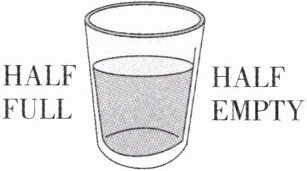
An optimist is someone who is hopeful about the future and tends to expect that good things will happen. A number of studies have shown that optimists enjoy higher levels of happiness, better sleep, lower stress and even better cardiovascular(心血管的) health and immune(免疫的) function. And now, a study connects being an optimist with a longer life.
Researchers followed the lifespan(寿命) of some 160,000 women aged 50 to 79 for 26 years. They were divided into two groups by completing a self-report measure of optimism. Women with the highest scores were considered optimists. Those with the lowest scores were considered pessimists. Then, the researchers followed up with the study. They found that those who had the highest levels of optimism were more likely to live longer. So why is it that optimists live longer?
One possible reason is that it could be related to their healthier lifestyles. For example, research from several studies has found that optimism is related to eating a healthy diet, staying physically active and being less likely to smoke cigarettes. These healthy behaviours are well known to improve heart health and reduce the risk of cardiovascular disease. Accepting a healthy lifestyle is also important for reducing the risk of other potentially deadly diseases, such as cancer.
Another possible reason could be the way optimists manage stress. When faced with a stressful situation, optimists will reduce stress levels and boost the power to take steps. They use methods to solve the source of the stress, or look at the situation in a less stressful way. For example, optimists will plan ways to deal with the matter, call on others for support or try to find hope in the stressful situation.
In short, the ways optimists deal with stress might help protect them somewhat against its harmful effects. Be the person who looks at the glass half full. Appreciate the little things in your life and face your problems with a smile and a take-charge attitude. Optimism is the best tool when it comes to changing your outlook on life.
1. 语言能力 分析能力 According to the passage, who is probably an optimist?
A. Tom is upset on rainy or snowy days.
B. Lucy is unwilling to ask others for support.
C. Chris keeps volunteering at the Nursing Home.
D. Mary believes she can solve the problem she meets.
2. What can we learn from the passage?
A. People who see the half-empty glass are more hopeful.
B. A healthy lifestyle will help treat cardiovascular disease.
C. Optimism is related with being likely to smoke cigarettes.
D. Optimists may enjoy a longer lifespan than the less optimistic ones.
3. The underlined word "boost" in Paragraph 5 is closest in the meaning of "
A. share
B. increase
C. lose
D. limit
4. 语言能力 推断能力 What is the writer's main purpose in writing this passage?
A. To call on people to be optimistic towards life.
B. To give suggestions on how to deal with stress.
C. To show the results of a study on healthy lifestyles.
D. To tell the effects of being optimistic among women.
5. In which part of the magazine can you probably read the passage?
A. Culture.
B. Science.
C. History.
D. Education.
B
A
思维品质 辩证思维(2024·北京一模)Can you see the glass as half full, rather than half empty? Are you always looking on the bright side of life? If so, you might be an optimist.
An optimist is someone who is hopeful about the future and tends to expect that good things will happen. A number of studies have shown that optimists enjoy higher levels of happiness, better sleep, lower stress and even better cardiovascular(心血管的) health and immune(免疫的) function. And now, a study connects being an optimist with a longer life.
Researchers followed the lifespan(寿命) of some 160,000 women aged 50 to 79 for 26 years. They were divided into two groups by completing a self-report measure of optimism. Women with the highest scores were considered optimists. Those with the lowest scores were considered pessimists. Then, the researchers followed up with the study. They found that those who had the highest levels of optimism were more likely to live longer. So why is it that optimists live longer?
One possible reason is that it could be related to their healthier lifestyles. For example, research from several studies has found that optimism is related to eating a healthy diet, staying physically active and being less likely to smoke cigarettes. These healthy behaviours are well known to improve heart health and reduce the risk of cardiovascular disease. Accepting a healthy lifestyle is also important for reducing the risk of other potentially deadly diseases, such as cancer.
Another possible reason could be the way optimists manage stress. When faced with a stressful situation, optimists will reduce stress levels and boost the power to take steps. They use methods to solve the source of the stress, or look at the situation in a less stressful way. For example, optimists will plan ways to deal with the matter, call on others for support or try to find hope in the stressful situation.
In short, the ways optimists deal with stress might help protect them somewhat against its harmful effects. Be the person who looks at the glass half full. Appreciate the little things in your life and face your problems with a smile and a take-charge attitude. Optimism is the best tool when it comes to changing your outlook on life.
1. 语言能力 分析能力 According to the passage, who is probably an optimist?
A. Tom is upset on rainy or snowy days.
B. Lucy is unwilling to ask others for support.
C. Chris keeps volunteering at the Nursing Home.
D. Mary believes she can solve the problem she meets.
2. What can we learn from the passage?
A. People who see the half-empty glass are more hopeful.
B. A healthy lifestyle will help treat cardiovascular disease.
C. Optimism is related with being likely to smoke cigarettes.
D. Optimists may enjoy a longer lifespan than the less optimistic ones.
3. The underlined word "boost" in Paragraph 5 is closest in the meaning of "
B
".A. share
B. increase
C. lose
D. limit
4. 语言能力 推断能力 What is the writer's main purpose in writing this passage?
A. To call on people to be optimistic towards life.
B. To give suggestions on how to deal with stress.
C. To show the results of a study on healthy lifestyles.
D. To tell the effects of being optimistic among women.
5. In which part of the magazine can you probably read the passage?
A. Culture.
B. Science.
C. History.
D. Education.
B
答案
Ⅲ. 1.D 2.D 3.B 4.A 5.B
A
【文章大意】本文是一篇说明文。文章主要介绍了乐观主义者以及乐观主义者长寿的原因,并呼吁人们成为乐观主义者。
1. D 解析:推理判断题。根据“An optimist is someone who is hopeful about the future and tends to expect that good things will happen.”和“For example, optimists will plan ways to deal with the matter, call on others for support or try to find hope in the stressful situation.”可知,乐观主义者是指对未来充满希望,并倾向于期望好事会发生的人。乐观主义者会计划处理这件事的方法,寻求他人的支持,或者试图在紧张的情况下找到希望,可推测 D 选项“玛丽相信她能解决她遇到的问题。”与文章对乐观主义者的解释相符。故选 D。
2. D 解析:细节理解题。根据“They found that those who had the highest levels of optimism were more likely to live longer.”可知,乐观的人寿命更长。故选 D。
3. B 解析:词义猜测题。根据“When faced with a stressful situation, optimists will reduce stress levels and boost the power to take steps.”可知,当面临压力时,乐观主义者会降低压力水平,并增加采取措施的能力,可推测 boost 表示“使增长”,increase 表示“增加,使增长”,与其意思相符。故选 B。
4. A 解析:写作意图题。根据全文可知,文章主要介绍了乐观主义者以及乐观主义者长寿的原因。根据最后一段“Be the person who looks at the glass half full. Appreciate the little things in your life and face your problems with a smile and a take-charge attitude.”可知,作者呼吁人们保持乐观,因此推测作者写这篇文章的主要目的是呼吁人们对生活保持乐观。故选 A。
5. B 解析:文章出处题。根据本文内容可知,本篇文章通过一些科学研究介绍了乐观主义者及乐观主义者更长寿的原因,可能出现在杂志的科学版块。故选 B。
A
【文章大意】本文是一篇说明文。文章主要介绍了乐观主义者以及乐观主义者长寿的原因,并呼吁人们成为乐观主义者。
1. D 解析:推理判断题。根据“An optimist is someone who is hopeful about the future and tends to expect that good things will happen.”和“For example, optimists will plan ways to deal with the matter, call on others for support or try to find hope in the stressful situation.”可知,乐观主义者是指对未来充满希望,并倾向于期望好事会发生的人。乐观主义者会计划处理这件事的方法,寻求他人的支持,或者试图在紧张的情况下找到希望,可推测 D 选项“玛丽相信她能解决她遇到的问题。”与文章对乐观主义者的解释相符。故选 D。
2. D 解析:细节理解题。根据“They found that those who had the highest levels of optimism were more likely to live longer.”可知,乐观的人寿命更长。故选 D。
3. B 解析:词义猜测题。根据“When faced with a stressful situation, optimists will reduce stress levels and boost the power to take steps.”可知,当面临压力时,乐观主义者会降低压力水平,并增加采取措施的能力,可推测 boost 表示“使增长”,increase 表示“增加,使增长”,与其意思相符。故选 B。
4. A 解析:写作意图题。根据全文可知,文章主要介绍了乐观主义者以及乐观主义者长寿的原因。根据最后一段“Be the person who looks at the glass half full. Appreciate the little things in your life and face your problems with a smile and a take-charge attitude.”可知,作者呼吁人们保持乐观,因此推测作者写这篇文章的主要目的是呼吁人们对生活保持乐观。故选 A。
5. B 解析:文章出处题。根据本文内容可知,本篇文章通过一些科学研究介绍了乐观主义者及乐观主义者更长寿的原因,可能出现在杂志的科学版块。故选 B。
解析
【分析】
解题时先通读全文,明确文章核心是介绍乐观的定义、相关研究得出乐观者更长寿的结论、背后的两点原因,最终呼吁大家保持乐观的生活态度。之后逐题对应考点解题:
1. 第1题是推理判断题,先定位文中对乐观主义者的定义:对未来抱有希望、期待好事发生,遇到问题会主动想办法解决,逐一比对四个选项,排除不符合乐观特质的选项,选出匹配的答案。
2. 第2题是细节理解题,将每个选项带回原文定位核对,排除表述错误的选项,选出符合原文研究结论的内容。
3. 第3题是词义猜测题,结合划线词所在句的语境:乐观者面对压力时会降低压力水平,同时提升采取行动的能力,结合后文他们会主动想办法解决问题的描述,推断出划线词的含义。
4. 第4题是写作意图题,重点关注文章结尾段作者的直接呼吁,结合全文主旨判断作者的写作目的。
5. 第5题是文章出处题,根据文章依托科学研究展开科普的属性,判断对应的杂志板块。
【解析】
1. 推理判断题:根据原文第二段“An optimist is someone who is hopeful about the future and tends to expect that good things will happen.”以及第五段提到乐观者遇到压力会主动规划解决方法,可知玛丽相信自己能解决遇到的问题,完全符合乐观主义者的特质。A选项汤姆雨雪天就沮丧、B选项露西不愿向他人求助都不符合乐观者的表现,C选项克里斯在养老院做志愿无法直接体现乐观的核心特质,因此选D。
2. 细节理解题:根据原文第三段“They found that those who had the highest levels of optimism were more likely to live longer.”可知,乐观程度更高的人更可能长寿,对应D选项表述。A选项认为看到杯子半空的人更满怀希望,和原文“半空是悲观视角”相悖;B选项健康生活方式是降低心血管疾病的患病风险,并非治疗该疾病;C选项原文提到乐观的人抽烟的概率更低,表述错误,因此选D。
3. 词义猜测题:划线词所在句意为“面对压力情境时,乐观者会降低压力水平,同时提升采取行动的能力”,结合后文乐观者会主动想办法解决压力源的描述,可知boost的含义是提升、增加,和increase意思一致,因此选B。
4. 写作意图题:全文介绍了乐观的好处以及乐观者更长寿的原因,最后一段直接呼吁读者要看到杯子满的那一半,微笑面对问题,因此作者的核心写作目的是号召人们以乐观的态度面对生活,选A。
5. 文章出处题:本篇内容依托大量科学研究结果,科普乐观对健康和寿命的积极影响,属于科普类内容,最可能出现在杂志的科学板块,选B。
【答案】
1.D 2.D 3.B 4.A 5.B
【知识点】
阅读理解细节查找,阅读理解推理判断,词义猜测
【点评】
本题属于科普类说明文阅读,既考察学生定位原文细节、推断词义、把握主旨的基础阅读能力,也渗透了辩证思维的培养,引导学生建立积极乐观的生活态度,考点覆盖全面,难度梯度合理。
【难度系数】
0.75
解题时先通读全文,明确文章核心是介绍乐观的定义、相关研究得出乐观者更长寿的结论、背后的两点原因,最终呼吁大家保持乐观的生活态度。之后逐题对应考点解题:
1. 第1题是推理判断题,先定位文中对乐观主义者的定义:对未来抱有希望、期待好事发生,遇到问题会主动想办法解决,逐一比对四个选项,排除不符合乐观特质的选项,选出匹配的答案。
2. 第2题是细节理解题,将每个选项带回原文定位核对,排除表述错误的选项,选出符合原文研究结论的内容。
3. 第3题是词义猜测题,结合划线词所在句的语境:乐观者面对压力时会降低压力水平,同时提升采取行动的能力,结合后文他们会主动想办法解决问题的描述,推断出划线词的含义。
4. 第4题是写作意图题,重点关注文章结尾段作者的直接呼吁,结合全文主旨判断作者的写作目的。
5. 第5题是文章出处题,根据文章依托科学研究展开科普的属性,判断对应的杂志板块。
【解析】
1. 推理判断题:根据原文第二段“An optimist is someone who is hopeful about the future and tends to expect that good things will happen.”以及第五段提到乐观者遇到压力会主动规划解决方法,可知玛丽相信自己能解决遇到的问题,完全符合乐观主义者的特质。A选项汤姆雨雪天就沮丧、B选项露西不愿向他人求助都不符合乐观者的表现,C选项克里斯在养老院做志愿无法直接体现乐观的核心特质,因此选D。
2. 细节理解题:根据原文第三段“They found that those who had the highest levels of optimism were more likely to live longer.”可知,乐观程度更高的人更可能长寿,对应D选项表述。A选项认为看到杯子半空的人更满怀希望,和原文“半空是悲观视角”相悖;B选项健康生活方式是降低心血管疾病的患病风险,并非治疗该疾病;C选项原文提到乐观的人抽烟的概率更低,表述错误,因此选D。
3. 词义猜测题:划线词所在句意为“面对压力情境时,乐观者会降低压力水平,同时提升采取行动的能力”,结合后文乐观者会主动想办法解决压力源的描述,可知boost的含义是提升、增加,和increase意思一致,因此选B。
4. 写作意图题:全文介绍了乐观的好处以及乐观者更长寿的原因,最后一段直接呼吁读者要看到杯子满的那一半,微笑面对问题,因此作者的核心写作目的是号召人们以乐观的态度面对生活,选A。
5. 文章出处题:本篇内容依托大量科学研究结果,科普乐观对健康和寿命的积极影响,属于科普类内容,最可能出现在杂志的科学板块,选B。
【答案】
1.D 2.D 3.B 4.A 5.B
【知识点】
阅读理解细节查找,阅读理解推理判断,词义猜测
【点评】
本题属于科普类说明文阅读,既考察学生定位原文细节、推断词义、把握主旨的基础阅读能力,也渗透了辩证思维的培养,引导学生建立积极乐观的生活态度,考点覆盖全面,难度梯度合理。
【难度系数】
0.75
