

 登录
登录
四、根据首字母提示完成短文。(每小题2分,共20分)
专题讲座结束后,活动进入方法指导环节,老师为同学们提供了一篇说明文,文章围绕“如何成为一名好的语言学习者”展开,给出了具体、实用的学习建议。
Many studies about language learning ask the question: What makes a 1. s
• Don't be afraid of making mistakes. People often get 3. s
• Do group activities. People use language to have 4. c
• Make notes during every class. Notes help you to remember new words and 5. s
• Use a dictionary. Good language learners often use dictionaries to 7. t
• Think in the language you're learning outside the classroom. When you're shopping or walking down the street, remember some useful words and phrases you see. Sometimes, when you're at home, say new words out loud to practise your 9. p
• Do extra practice. Knowledge from textbooks is never enough. If you want to improve your reading and listening skills, you can find some free self-study materials in bookstores or online.
• Enjoy it. Good language learners have fun with the language. Watch a TV series, listen to songs, or read a book. It's never too late to become a 10. l
专题讲座结束后,活动进入方法指导环节,老师为同学们提供了一篇说明文,文章围绕“如何成为一名好的语言学习者”展开,给出了具体、实用的学习建议。
Many studies about language learning ask the question: What makes a 1. s
uccessful
language learner? There are some things that good language learners do and some things they don't do. Here are some useful 2. suggestions
for your language journey.• Don't be afraid of making mistakes. People often get 3. s
pelling
or grammar badly wrong. Good language learners notice their mistakes, correct them, and learn from them. Go over every exercise and test you did and analyse the mistakes you made to avoid falling behind.• Do group activities. People use language to have 4. c
onversations
with others. Good language learners always look for chances to talk with other students, instead of keeping silent.• Make notes during every class. Notes help you to remember new words and 5. s
entences
. Look at your notes when you do your homework. Moreover, organizing your notes after learning a whole unit helps you 6. understand
what you've learned better.• Use a dictionary. Good language learners often use dictionaries to 7. t
ranslate
and find the meaning of words they don't know. They also make their own word lists and repeat new words 8. aloud
to remember them.• Think in the language you're learning outside the classroom. When you're shopping or walking down the street, remember some useful words and phrases you see. Sometimes, when you're at home, say new words out loud to practise your 9. p
ronunciation
correctly.• Do extra practice. Knowledge from textbooks is never enough. If you want to improve your reading and listening skills, you can find some free self-study materials in bookstores or online.
• Enjoy it. Good language learners have fun with the language. Watch a TV series, listen to songs, or read a book. It's never too late to become a 10. l
ifelong
language learner.答案
1. successful 2. suggestions 3. spelling
4. conversations 5. sentences 6. understand
7. translate 8. aloud 9. pronunciation
10. lifelong
4. conversations 5. sentences 6. understand
7. translate 8. aloud 9. pronunciation
10. lifelong
解析
【分析】
做这类首字母提示完成短文的题目,第一步要先通读全文,明确本文核心主题是介绍成为优秀语言学习者的实用方法,整体把握语篇逻辑后再逐空推导:首先判断空格所在句子的词性需求,再结合前后文的呼应内容、常见固定搭配,匹配给出的首字母提示,同时还要注意名词单复数、词性转换等语法细节,最后把所有填好的词代入全文通读验证,确保语义通顺符合逻辑。
【解析】
1. 空格后是名词language learner,需要形容词修饰,全文围绕“优秀/成功的语言学习者”展开,首字母s提示,填入successful,意为“成功的”。
2. 后文列出了多条语言学习的相关指引,对应“有用的建议”,空格前有some修饰,可数名词suggestion要变为复数形式,首字母s提示,填入suggestions。
3. 空格和后文的grammar并列,都是语言学习中容易出错的模块,首字母s提示,填入spelling,意为“拼写”,表示拼写错误、语法错误。
4. 此处是固定搭配have conversations with sb,意为“和他人交谈”,符合“人们用语言和别人交流”的语境,首字母c提示,填入conversations。
5. 空格和new words并列,都是课堂笔记需要记录的语言学习内容,首字母s提示,填入复数名词sentences,表泛指各类句子。
6. 此处符合help sb do sth的结构,句意为整理笔记能帮你更好理解所学内容,首字母u提示,填入动词原形understand。
7. 句意为好的语言学习者用词典来完成某个动作、同时查询生词含义,词典的基础功能是翻译,首字母t提示,填入动词translate。
8. 此处修饰动作repeat new words,指出声重复单词来记忆,首字母a提示,填入副词aloud,意为“出声地”。
9. 句意为大声说出新单词来正确练习你的某项语言能力,结合语境是练习发音,首字母p提示,填入名词pronunciation。
10. 固定表达It's never too late to do sth意为“做某事永远不晚”,对应“成为终身语言学习者永远不晚”的主旨,首字母l提示,填入形容词lifelong,意为“终身的”。
【答案】
1. successful 2. suggestions 3. spelling 4. conversations 5. sentences 6. understand 7. translate 8. aloud 9. pronunciation 10. lifelong
【知识点】
首字母填空,固定搭配,语篇逻辑理解
【点评】
本题贴合中学生语言学习的实际场景,主题贴近学生日常,既考查了课标要求的核心词汇掌握程度,也检验了学生结合上下文推理判断的能力,同时渗透了实用的英语学习方法引导,提醒学生完成这类题型时要先抓语篇主旨,避免脱离语境盲目填词。
【难度系数】
0.6
做这类首字母提示完成短文的题目,第一步要先通读全文,明确本文核心主题是介绍成为优秀语言学习者的实用方法,整体把握语篇逻辑后再逐空推导:首先判断空格所在句子的词性需求,再结合前后文的呼应内容、常见固定搭配,匹配给出的首字母提示,同时还要注意名词单复数、词性转换等语法细节,最后把所有填好的词代入全文通读验证,确保语义通顺符合逻辑。
【解析】
1. 空格后是名词language learner,需要形容词修饰,全文围绕“优秀/成功的语言学习者”展开,首字母s提示,填入successful,意为“成功的”。
2. 后文列出了多条语言学习的相关指引,对应“有用的建议”,空格前有some修饰,可数名词suggestion要变为复数形式,首字母s提示,填入suggestions。
3. 空格和后文的grammar并列,都是语言学习中容易出错的模块,首字母s提示,填入spelling,意为“拼写”,表示拼写错误、语法错误。
4. 此处是固定搭配have conversations with sb,意为“和他人交谈”,符合“人们用语言和别人交流”的语境,首字母c提示,填入conversations。
5. 空格和new words并列,都是课堂笔记需要记录的语言学习内容,首字母s提示,填入复数名词sentences,表泛指各类句子。
6. 此处符合help sb do sth的结构,句意为整理笔记能帮你更好理解所学内容,首字母u提示,填入动词原形understand。
7. 句意为好的语言学习者用词典来完成某个动作、同时查询生词含义,词典的基础功能是翻译,首字母t提示,填入动词translate。
8. 此处修饰动作repeat new words,指出声重复单词来记忆,首字母a提示,填入副词aloud,意为“出声地”。
9. 句意为大声说出新单词来正确练习你的某项语言能力,结合语境是练习发音,首字母p提示,填入名词pronunciation。
10. 固定表达It's never too late to do sth意为“做某事永远不晚”,对应“成为终身语言学习者永远不晚”的主旨,首字母l提示,填入形容词lifelong,意为“终身的”。
【答案】
1. successful 2. suggestions 3. spelling 4. conversations 5. sentences 6. understand 7. translate 8. aloud 9. pronunciation 10. lifelong
【知识点】
首字母填空,固定搭配,语篇逻辑理解
【点评】
本题贴合中学生语言学习的实际场景,主题贴近学生日常,既考查了课标要求的核心词汇掌握程度,也检验了学生结合上下文推理判断的能力,同时渗透了实用的英语学习方法引导,提醒学生完成这类题型时要先抓语篇主旨,避免脱离语境盲目填词。
【难度系数】
0.6
五、书面表达。(共20分)
系列活动的最后,是学习交流分享会,这也是整个活动的总结与展示环节。作为班级代表,你将上台分享自己的学习经验和心得。请根据图文内容完成一篇演说稿。
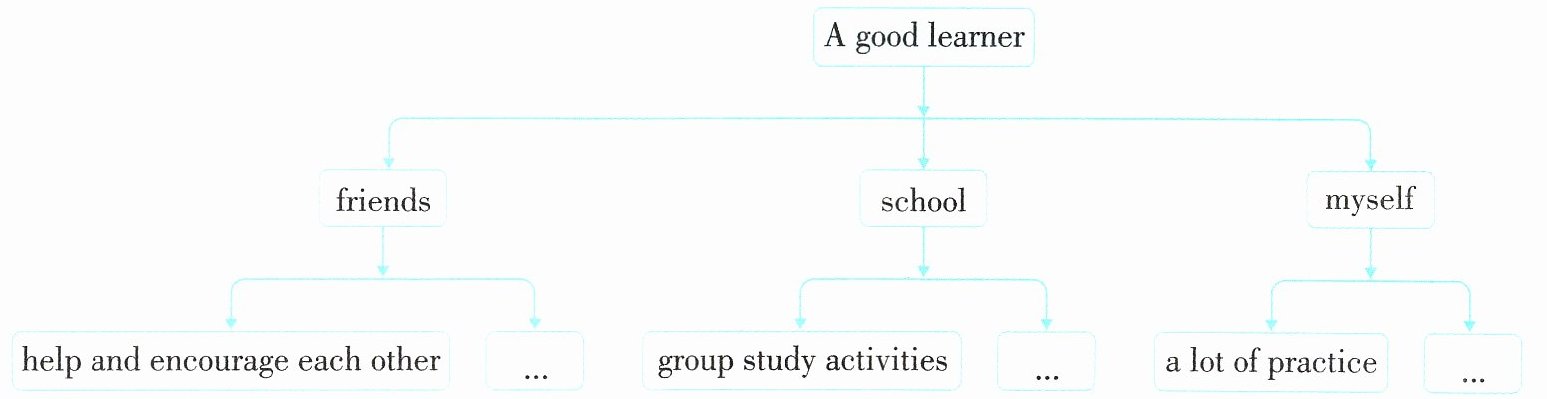
要求:1. 所写内容必须包括图文中的所有信息,可适当发挥。2. 所写要点要适当补充理由或例子。3. 文章不少于90词,开头已给出,不计入总词数。4. 文中不得出现真实的姓名、校名等信息。
Dear teachers and students,
I'm very glad today to stand here to share some of my ways to be a good learner with all of you.
系列活动的最后,是学习交流分享会,这也是整个活动的总结与展示环节。作为班级代表,你将上台分享自己的学习经验和心得。请根据图文内容完成一篇演说稿。
要求:1. 所写内容必须包括图文中的所有信息,可适当发挥。2. 所写要点要适当补充理由或例子。3. 文章不少于90词,开头已给出,不计入总词数。4. 文中不得出现真实的姓名、校名等信息。
Dear teachers and students,
I'm very glad today to stand here to share some of my ways to be a good learner with all of you.
答案
One possible version:
Dear teachers and students,
I'm very glad today to stand here to share some of my ways to be a good learner with all of you.
First, friends play a role. We should help and encourage each other. When we're facing study difficulties, friends can offer different ideas and cheer us up.
Second, make good use of school resources.Participate in group study activities, where we can learn from each other. Also, listen carefully to teachers in class, as they explain knowledge clearly.
Third, focus on yourself. Do a lot of practice,like solving math problems or writing English essays.Besides, develop a good study habit, such as reviewing regularly. By doing these, we can all be good learners.
This is some of my own experience and I hope you can learn something from it.
Thank you!
Dear teachers and students,
I'm very glad today to stand here to share some of my ways to be a good learner with all of you.
First, friends play a role. We should help and encourage each other. When we're facing study difficulties, friends can offer different ideas and cheer us up.
Second, make good use of school resources.Participate in group study activities, where we can learn from each other. Also, listen carefully to teachers in class, as they explain knowledge clearly.
Third, focus on yourself. Do a lot of practice,like solving math problems or writing English essays.Besides, develop a good study habit, such as reviewing regularly. By doing these, we can all be good learners.
This is some of my own experience and I hope you can learn something from it.
Thank you!
解析
【分析】
拿到这道题首先要明确文体是学习分享类发言稿,核心主题是分享成为优秀学习者的经验。第一步先梳理思维导图要求必须覆盖的所有必写要点:三个核心维度分别是同伴朋友、学校学习、自身努力,对应细节要点为朋友间互帮互助互相鼓励、参与学校的小组学习活动、主动完成大量练习,这些内容不能遗漏。第二步按照题目要求,为每个要点补充适配的理由或者实例,同时补全思维导图省略号位置的合理延伸内容:朋友维度可以补充共同讨论错题的场景,学校维度可以补充上课认真听讲、主动向老师请教的内容,自身维度可以补充定期复习、养成良好学习习惯的内容。第三步用逻辑衔接词把内容分层排布,最后补充收尾的经验分享祝愿和礼貌致谢,保证总字数超过90词,全程不出现真实姓名、校名等隐私信息,就能完成符合要求的作品。
【解析】
1. 确定写作基础属性:文体为公开分享的发言稿,以第一人称叙述,整体时态以一般现在时为主,采用总分总的清晰结构。
2. 分层排布内容:
① 第一层对应朋友维度:先点明同伴的重要作用,解释互帮互助的价值,补充遇到学习困难时同伴可以提供不同思路、帮你调整状态的实例。
② 第二层对应学校维度:点明要充分利用学校的学习资源,先说明参与小组学习活动可以实现同伴间取长补短的优势,再补充延伸要点:课堂认真听讲、主动向老师请教,解释学校场景下的集体学习能大幅提升学习效率。
③ 第三层对应自身维度:点明自主学习的重要性,举例说明大量练习可以是刷习题、练英语写作等,再补充延伸要点:养成定期复习、整理错题的好习惯,解释自主规划才能真正把知识内化吸收。
3. 最后补充收尾段,表达对听众的美好祝愿,礼貌致谢,符合发言稿的格式要求。
【答案】
One possible version:
Dear teachers and students,
I'm very glad today to stand here to share some of my ways to be a good learner with all of you.
First, friends play a role. We should help and encourage each other. When we're facing study difficulties, friends can offer different ideas and cheer us up.
Second, make good use of school resources.Participate in group study activities, where we can learn from each other. Also, listen carefully to teachers in class, as they explain knowledge clearly.
Third, focus on yourself. Do a lot of practice,like solving math problems or writing English essays.Besides, develop a good study habit, such as reviewing regularly. By doing these, we can all be good learners.
This is some of my own experience and I hope you can learn something from it.
Thank you!
【知识点】
英语发言稿写作,要点整合输出,语篇逻辑衔接
【点评】
本题是典型的初中英语提示类应用文写作,依托思维导图给出了非常清晰的写作框架,大幅降低了审题门槛,同时没有限制死所有内容,要求学生为罗列的要点补充合理的理由、实例,既考察学生的要点覆盖能力,也能区分学生的内容拓展能力和语言流畅度,写作时注意分层清晰、所有给定信息不遗漏,表达贴合发言稿的正式口语风格,就很容易拿到不错的分数。
【难度系数】
0.6
拿到这道题首先要明确文体是学习分享类发言稿,核心主题是分享成为优秀学习者的经验。第一步先梳理思维导图要求必须覆盖的所有必写要点:三个核心维度分别是同伴朋友、学校学习、自身努力,对应细节要点为朋友间互帮互助互相鼓励、参与学校的小组学习活动、主动完成大量练习,这些内容不能遗漏。第二步按照题目要求,为每个要点补充适配的理由或者实例,同时补全思维导图省略号位置的合理延伸内容:朋友维度可以补充共同讨论错题的场景,学校维度可以补充上课认真听讲、主动向老师请教的内容,自身维度可以补充定期复习、养成良好学习习惯的内容。第三步用逻辑衔接词把内容分层排布,最后补充收尾的经验分享祝愿和礼貌致谢,保证总字数超过90词,全程不出现真实姓名、校名等隐私信息,就能完成符合要求的作品。
【解析】
1. 确定写作基础属性:文体为公开分享的发言稿,以第一人称叙述,整体时态以一般现在时为主,采用总分总的清晰结构。
2. 分层排布内容:
① 第一层对应朋友维度:先点明同伴的重要作用,解释互帮互助的价值,补充遇到学习困难时同伴可以提供不同思路、帮你调整状态的实例。
② 第二层对应学校维度:点明要充分利用学校的学习资源,先说明参与小组学习活动可以实现同伴间取长补短的优势,再补充延伸要点:课堂认真听讲、主动向老师请教,解释学校场景下的集体学习能大幅提升学习效率。
③ 第三层对应自身维度:点明自主学习的重要性,举例说明大量练习可以是刷习题、练英语写作等,再补充延伸要点:养成定期复习、整理错题的好习惯,解释自主规划才能真正把知识内化吸收。
3. 最后补充收尾段,表达对听众的美好祝愿,礼貌致谢,符合发言稿的格式要求。
【答案】
One possible version:
Dear teachers and students,
I'm very glad today to stand here to share some of my ways to be a good learner with all of you.
First, friends play a role. We should help and encourage each other. When we're facing study difficulties, friends can offer different ideas and cheer us up.
Second, make good use of school resources.Participate in group study activities, where we can learn from each other. Also, listen carefully to teachers in class, as they explain knowledge clearly.
Third, focus on yourself. Do a lot of practice,like solving math problems or writing English essays.Besides, develop a good study habit, such as reviewing regularly. By doing these, we can all be good learners.
This is some of my own experience and I hope you can learn something from it.
Thank you!
【知识点】
英语发言稿写作,要点整合输出,语篇逻辑衔接
【点评】
本题是典型的初中英语提示类应用文写作,依托思维导图给出了非常清晰的写作框架,大幅降低了审题门槛,同时没有限制死所有内容,要求学生为罗列的要点补充合理的理由、实例,既考察学生的要点覆盖能力,也能区分学生的内容拓展能力和语言流畅度,写作时注意分层清晰、所有给定信息不遗漏,表达贴合发言稿的正式口语风格,就很容易拿到不错的分数。
【难度系数】
0.6
