

 登录
登录
C
新素材 科普知识 Have you ever imagined having eyes in the back of your head? Some animals look like they do! However, these “eyes” aren’t for seeing—in fact, they can’t see at all and are called fake(假的) eyes or eyespots. It’s easy to be tricked by them—after all, they look a lot like eyes. They’re large and round, and they seem to stare(瞪眼看).
Though eyespots are similar to real eyes, they are just designs, or patterns(图案), found on different parts of an animal’s body, including feathers or fur. They can be seen on the tails of peacocks, the wings of butterflies, the skin of frogs.
You might wonder, if eyespots can’t help an animal see, why are they there at all? Scientists believe that eyespots send strong messages to other animals. For example, peacocks have long, colourful tails decorated with many eyespots. During mating(交配) season, they spread their tails to attract female
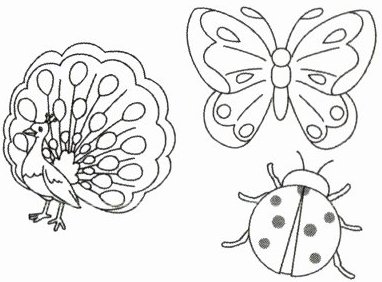
peacocks. Eyespots seem to be an honest sign of quality, a way for a peacock to say, “You can be sure I’m the best choice!”
In other cases, eyespots help animals defend themselves. They can also send a totally different message, acting as a way for an animal to say “Boo!” to its enemies and scare them away. The four-eyed frog of South America has eyespots on its bottom. When in danger, it turns around and shows large eyespots on its body. Filled with poison(毒液), these eyespots can harm anyone who tries to bite the frog and can even cause death.
Eyespots may be fake eyes but they play a very real role in helping animals survive.
(
A. They look like real eyes.
B. They help animals see.
C. They are on animal heads.
D. They are the best designs.
(
A. By telling a story.
B. By doing research.
C. By giving examples.
D. By showing a survey.
(
A. express
B. relax
C. hide
D. protect
(
A. Fake Eyes with Real Help
B. Peacock Eyespots: A Male Feature
C. Beautiful Spots for Attraction
D. Fake Eyes: Best Tools for Animal Hunting
新素材 科普知识 Have you ever imagined having eyes in the back of your head? Some animals look like they do! However, these “eyes” aren’t for seeing—in fact, they can’t see at all and are called fake(假的) eyes or eyespots. It’s easy to be tricked by them—after all, they look a lot like eyes. They’re large and round, and they seem to stare(瞪眼看).
Though eyespots are similar to real eyes, they are just designs, or patterns(图案), found on different parts of an animal’s body, including feathers or fur. They can be seen on the tails of peacocks, the wings of butterflies, the skin of frogs.
You might wonder, if eyespots can’t help an animal see, why are they there at all? Scientists believe that eyespots send strong messages to other animals. For example, peacocks have long, colourful tails decorated with many eyespots. During mating(交配) season, they spread their tails to attract female
peacocks. Eyespots seem to be an honest sign of quality, a way for a peacock to say, “You can be sure I’m the best choice!”
In other cases, eyespots help animals defend themselves. They can also send a totally different message, acting as a way for an animal to say “Boo!” to its enemies and scare them away. The four-eyed frog of South America has eyespots on its bottom. When in danger, it turns around and shows large eyespots on its body. Filled with poison(毒液), these eyespots can harm anyone who tries to bite the frog and can even cause death.
Eyespots may be fake eyes but they play a very real role in helping animals survive.
(
A
)18. Why are people tricked by eyespots?A. They look like real eyes.
B. They help animals see.
C. They are on animal heads.
D. They are the best designs.
(
C
)19. 新考法 写作手法 How does the writer introduce the use of eyespots?A. By telling a story.
B. By doing research.
C. By giving examples.
D. By showing a survey.
(
D
)20. What does the underlined word “defend” mean in Paragraph 4?A. express
B. relax
C. hide
D. protect
(
A
)21. What is the best title of the passage?A. Fake Eyes with Real Help
B. Peacock Eyespots: A Male Feature
C. Beautiful Spots for Attraction
D. Fake Eyes: Best Tools for Animal Hunting
答案
18. A
19. C 【解析】根据第三段中“For example, peacocks have long, colourful tails decorated with many eyespots.”以及第四段中“The four-eyed frog of South America has eyespots on its bottom.”可知,作者通过孔雀和四眼蛙的例子来介绍眼状斑点的用途。
20. D 【解析】根据第四段中“In other cases,eyespots help animals... to its enemies and scare them away.”可知,眼状斑点能帮助动物吓退敌人,由此可推测“defend”意为“保护”。
21. A
19. C 【解析】根据第三段中“For example, peacocks have long, colourful tails decorated with many eyespots.”以及第四段中“The four-eyed frog of South America has eyespots on its bottom.”可知,作者通过孔雀和四眼蛙的例子来介绍眼状斑点的用途。
20. D 【解析】根据第四段中“In other cases,eyespots help animals... to its enemies and scare them away.”可知,眼状斑点能帮助动物吓退敌人,由此可推测“defend”意为“保护”。
21. A
解析
【分析】
这是一篇科普类英语阅读理解题,需根据原文内容逐一解答各题:18题是细节理解题,需定位原文找被眼斑欺骗的原因;19题考查写作手法,需分析作者介绍眼斑用途的方式;20题是词义猜测题,结合上下文语境推断划线词含义;21题为主旨大意题,需归纳全文核心内容。
【解析】
18. 细节理解题:根据第一段最后一句“It’s easy to be tricked by them—after all, they look a lot like eyes.”可知,人们被眼斑欺骗是因为它们看起来像真眼睛,故选A。
19. 写作手法题:作者在第三段举了孔雀用尾羽眼斑吸引雌性的例子,第四段举了南美四眼蛙用眼斑吓退敌人的例子,通过举例介绍眼斑的用途,故选C。
20. 词义猜测题:根据第四段中“They can also send a totally different message, acting as a way for an animal to say “Boo!” to its enemies and scare them away.”可知,眼斑能帮助动物吓退敌人,由此可推断“defend”意为“保护”,故选D。
21. 主旨大意题:全文围绕动物身上的假眼斑展开,介绍了它们虽不能视物,但在吸引配偶、保护自身等方面有真实作用,A选项“Fake Eyes with Real Help”最能概括主旨,故选A。
【答案】
18.A 19.C 20.D 21.A
【知识点】
英语阅读理解、细节理解、词义猜测
【点评】
本题为科普类阅读理解,考查学生对细节信息、写作手法、词汇含义及文章主旨的理解能力,题型常规,需学生准确定位原文并结合语境分析,难度适中。
【难度系数】
0.6
这是一篇科普类英语阅读理解题,需根据原文内容逐一解答各题:18题是细节理解题,需定位原文找被眼斑欺骗的原因;19题考查写作手法,需分析作者介绍眼斑用途的方式;20题是词义猜测题,结合上下文语境推断划线词含义;21题为主旨大意题,需归纳全文核心内容。
【解析】
18. 细节理解题:根据第一段最后一句“It’s easy to be tricked by them—after all, they look a lot like eyes.”可知,人们被眼斑欺骗是因为它们看起来像真眼睛,故选A。
19. 写作手法题:作者在第三段举了孔雀用尾羽眼斑吸引雌性的例子,第四段举了南美四眼蛙用眼斑吓退敌人的例子,通过举例介绍眼斑的用途,故选C。
20. 词义猜测题:根据第四段中“They can also send a totally different message, acting as a way for an animal to say “Boo!” to its enemies and scare them away.”可知,眼斑能帮助动物吓退敌人,由此可推断“defend”意为“保护”,故选D。
21. 主旨大意题:全文围绕动物身上的假眼斑展开,介绍了它们虽不能视物,但在吸引配偶、保护自身等方面有真实作用,A选项“Fake Eyes with Real Help”最能概括主旨,故选A。
【答案】
18.A 19.C 20.D 21.A
【知识点】
英语阅读理解、细节理解、词义猜测
【点评】
本题为科普类阅读理解,考查学生对细节信息、写作手法、词汇含义及文章主旨的理解能力,题型常规,需学生准确定位原文并结合语境分析,难度适中。
【难度系数】
0.6
