

 登录
登录
六、[核心素养](2025·宁波市鄞州区期中)阅读理解。
★★★
人与自我——做人与做事
有趣的校规
Every school has its own set of rules to keep students disciplined(遵守纪律的). The rules change from one school to another. Some schools are much stricter than others. There are also some rules that look strange or funny to us. Here are some funny school rules.
Tough Japanese rules
Most schools demand that students wear uniforms, such as sports suits or skirts. But many Japanese schools even have rules about the colour of underwear! For example, only white is OK. They also demand that girls' white socks should be folded in a certain way and that boys' heads should be shaved. Other Japanese schools tell students that they should not date, go to the movies, leave home after sunset or play video games if the school doesn't permit.
Funny rules in the US
For safety at some US schools, students must have a pair of indoor shoes to change into at school every day. This makes sure students won't fall over on floors and keeps the schools clean. Chewing gum is not permitted in many US school buildings. If students chew gum in class, they may not focus on their study.
No strange hair in the UK
Strange hairstyles are not permitted in some British schools. But they may allow students to wear certain hairstyles during the World Cup. Two students had a special design of their hair during the 2002 World Cup. But when the World Cup was over, they couldn't do that because the school said the rules changed after the World Cup.
1. Students can't chew gum in the school buildings in the US because
A. it's easy for them to fall over
B. they want to keep the classroom clean
C. they can't pay attention to studying in class
D. it's not good for their teeth
2. What does the underlined word "permit" mean in Chinese?
A. 容忍 B. 允许 C. 通知 D. 流行
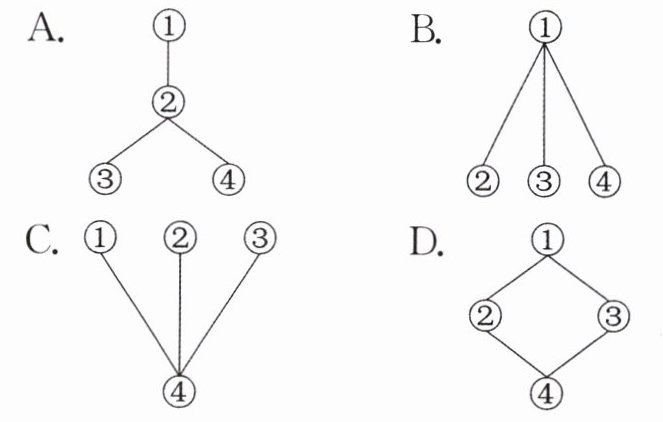
3. [创新考法·篇章结构] What is the right structure of the passage?
★★★
人与自我——做人与做事
有趣的校规
Every school has its own set of rules to keep students disciplined(遵守纪律的). The rules change from one school to another. Some schools are much stricter than others. There are also some rules that look strange or funny to us. Here are some funny school rules.
Tough Japanese rules
Most schools demand that students wear uniforms, such as sports suits or skirts. But many Japanese schools even have rules about the colour of underwear! For example, only white is OK. They also demand that girls' white socks should be folded in a certain way and that boys' heads should be shaved. Other Japanese schools tell students that they should not date, go to the movies, leave home after sunset or play video games if the school doesn't permit.
Funny rules in the US
For safety at some US schools, students must have a pair of indoor shoes to change into at school every day. This makes sure students won't fall over on floors and keeps the schools clean. Chewing gum is not permitted in many US school buildings. If students chew gum in class, they may not focus on their study.
No strange hair in the UK
Strange hairstyles are not permitted in some British schools. But they may allow students to wear certain hairstyles during the World Cup. Two students had a special design of their hair during the 2002 World Cup. But when the World Cup was over, they couldn't do that because the school said the rules changed after the World Cup.
1. Students can't chew gum in the school buildings in the US because
C
.A. it's easy for them to fall over
B. they want to keep the classroom clean
C. they can't pay attention to studying in class
D. it's not good for their teeth
2. What does the underlined word "permit" mean in Chinese?
A. 容忍 B. 允许 C. 通知 D. 流行
3. [创新考法·篇章结构] What is the right structure of the passage?
答案
1. C 细节理解题。根据“If students chew gum in class, they may not focus on their study.”可知,如果学生上课嚼口香糖,就不能集中精力学习。
2. B 词义猜测题。日本的其他学校告诫学生,如果学校不允许的话,他们不应该谈恋爱、看电影、日落後离家或玩电子游戏。因此 permit 意为“允许”。
3. B 篇章结构题。第一段引出有趣的校规;第二、三、四段分别介绍了不同的有趣的校规。
2. B 词义猜测题。日本的其他学校告诫学生,如果学校不允许的话,他们不应该谈恋爱、看电影、日落後离家或玩电子游戏。因此 permit 意为“允许”。
3. B 篇章结构题。第一段引出有趣的校规;第二、三、四段分别介绍了不同的有趣的校规。
解析
【解析】
1. 细节理解题:定位原文"Chewing gum is not permitted in many US school buildings. If students chew gum in class, they may not focus on their study.",可知美国学校不允许学生在校内嚼口香糖是因为学生上课无法集中注意力学习,对应选项C。
2. 词义猜测题:划线词所在句说明日本学校要求学生在校方不做出对应行为的前提下,不能早恋、看电影、日落后离家、玩电子游戏,结合语境可推知permit的中文含义为“允许”,对应选项B。
3. 篇章结构题:本文第1段总起,引出“世界各地存在有趣的校规”这一话题;第2、3、4段分别独立介绍日本、美国、英国的特色校规,属于总分结构,对应选项B。
【答案】
1. C 2. B 3. B
【知识点】
英语细节阅读
词义猜测
篇章结构分析
【点评】
本题属于初中英语阅读理解常规题型,分别从细节定位、词义推断、篇章逻辑梳理三个维度考查阅读能力,难度梯度设置合理,其中篇章结构类的创新考法需要学生跳出逐句读文的惯性,从整体层面把握文章的行文逻辑。
【难度系数】
0.7
1. 细节理解题:定位原文"Chewing gum is not permitted in many US school buildings. If students chew gum in class, they may not focus on their study.",可知美国学校不允许学生在校内嚼口香糖是因为学生上课无法集中注意力学习,对应选项C。
2. 词义猜测题:划线词所在句说明日本学校要求学生在校方不做出对应行为的前提下,不能早恋、看电影、日落后离家、玩电子游戏,结合语境可推知permit的中文含义为“允许”,对应选项B。
3. 篇章结构题:本文第1段总起,引出“世界各地存在有趣的校规”这一话题;第2、3、4段分别独立介绍日本、美国、英国的特色校规,属于总分结构,对应选项B。
【答案】
1. C 2. B 3. B
【知识点】
英语细节阅读
词义猜测
篇章结构分析
【点评】
本题属于初中英语阅读理解常规题型,分别从细节定位、词义推断、篇章逻辑梳理三个维度考查阅读能力,难度梯度设置合理,其中篇章结构类的创新考法需要学生跳出逐句读文的惯性,从整体层面把握文章的行文逻辑。
【难度系数】
0.7
