

 登录
一、完形填空
On April 24th, 2024, Chengdu reported something fascinating: the lovely giant panda “Hua Hua”, who is 1 3 years and 9 months old, has become the “Honorary Director (名誉主任) of Chengdu Tourism”. Hua Hua was born and 2 at the Chengdu Research Base of Giant Panda Breeding. Hua Hua’s cute qualities not only have made 3 a symbol of culture but also fit for such a special role.
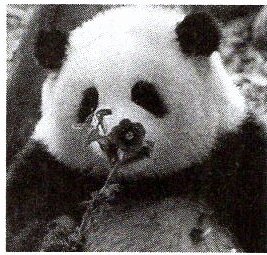
Because she is cuter than most giant pandas with her black and white look, round face, and lovely actions, Hua Hua has caught the 4 of people. The message was from a video and it 5 became popular all over the world online.
6 becoming the Honorary Director, Hua Hua participated in some important events, such as the 2023 Universiade and the 2024 Spring Festival Gala. In her new role, people expected her to improve tourism further in Chengdu. In March 2023, 7 her popularity, the number of visitors to the panda research base has become much higher than the year before. Visitors often wait a few hours just in order to have a look at her. They also love 8 Hua Hua toys and other beautiful objects for their family. Hua Hua even has her own 9—that has sold over 100, 000 pieces. People usually send them to their friends as gifts.
Although it 10 funny to have a panda as a “director”, Hua Hua’s job is pretty important. This is similar to the roles of other animals in the world, such as Larry, the cat in the UK, who lives in the Prime Minister’s (总理) office and quietly helps catch mice.
1. A. finally
B. also
C. still
D. nearly
2. A. took up
B. set up
C. grew up
D. put up
3. A. her
B. him
C. me
D. them
4. A. arms
B. hands
C. hearts
D. noses
5. A. simply
B. quietly
C. carefully
D. quickly
6. A. Until
B. Before
C. When
D. Since
7. A. according to
B. because of
C. such as
D. up to
8. A. making
B. providing
C. selling
D. buying
9. A. postcards
B. photos
C. articles
D. letters
10. A. looks
B. sounds
C. tastes
D. smells
On April 24th, 2024, Chengdu reported something fascinating: the lovely giant panda “Hua Hua”, who is 1 3 years and 9 months old, has become the “Honorary Director (名誉主任) of Chengdu Tourism”. Hua Hua was born and 2 at the Chengdu Research Base of Giant Panda Breeding. Hua Hua’s cute qualities not only have made 3 a symbol of culture but also fit for such a special role.
Because she is cuter than most giant pandas with her black and white look, round face, and lovely actions, Hua Hua has caught the 4 of people. The message was from a video and it 5 became popular all over the world online.
6 becoming the Honorary Director, Hua Hua participated in some important events, such as the 2023 Universiade and the 2024 Spring Festival Gala. In her new role, people expected her to improve tourism further in Chengdu. In March 2023, 7 her popularity, the number of visitors to the panda research base has become much higher than the year before. Visitors often wait a few hours just in order to have a look at her. They also love 8 Hua Hua toys and other beautiful objects for their family. Hua Hua even has her own 9—that has sold over 100, 000 pieces. People usually send them to their friends as gifts.
Although it 10 funny to have a panda as a “director”, Hua Hua’s job is pretty important. This is similar to the roles of other animals in the world, such as Larry, the cat in the UK, who lives in the Prime Minister’s (总理) office and quietly helps catch mice.
1. A. finally
B. also
C. still
D. nearly
2. A. took up
B. set up
C. grew up
D. put up
3. A. her
B. him
C. me
D. them
4. A. arms
B. hands
C. hearts
D. noses
5. A. simply
B. quietly
C. carefully
D. quickly
6. A. Until
B. Before
C. When
D. Since
7. A. according to
B. because of
C. such as
D. up to
8. A. making
B. providing
C. selling
D. buying
9. A. postcards
B. photos
C. articles
D. letters
10. A. looks
B. sounds
C. tastes
D. smells
答案
【文章大意】本文是一篇说明文,主要介绍了可爱的大熊猫“花花”成为成都旅游局的“名誉主任”。
1. D 根据“the lovely giant panda ‘Hua Hua’,who is...3 years and 9 months old,has become the ‘Honorary Director of Chengdu Tourism’”可知,近 3 岁零 9 个月大的花花成了成都旅游局的“名誉主任”。故选 D。
2. C 根据“Hua Hua was born and...at the Chengdu Research Base of Giant Panda Breeding.”可知,花花是在成都大熊猫繁育研究基地出生并长大的。故选 C。
3. A 根据“Because she is cuter than most giant pandas with her black and white look...”可知,此处用 her 代指花花。故选 A。
4. C 根据“Because she is cuter than most giant pandas with her black and white look,round face,and lovely actions,Hua Hua has caught the...of people.”可知,花花可爱的形象打动了人们的心,获得了人们的喜爱。故选 C。
5. D 根据“The message was from a video and it...became popular all over the world online.”并结合选项可知,这条消息迅速火了起来。故选 D。
6. B 根据“In her new role,people expected her to...”可知,在成为名誉主任之前,花花参与了一些重要活动。故选 B。
7. B 根据“...her popularity,the number of visitors to the panda research base has become much higher than the year before”可知,此处表示由于花花越来越受欢迎,大熊猫研究基地的游客数量较之前更高。故选 B。
8. D buy sb sth 或 buy sth for sb 表示“给某人买某物”,符合语境。故选 D。
9. A 根据“Hua Hua even has her own...—that has sold over 100,000 pieces.People usually send them to their friends as gifts.”可知,花花有自己的明信片。故选 A。
10. B 根据“Although it...funny to have a panda as a ‘director’,Hua Hua's job is pretty important.”可知,此处指让一只大熊猫当“主任”听起来很有趣。故选 B。
解析
【分析】
首先通读全文,明确文章主旨是介绍大熊猫“花花”成为成都旅游“名誉主任”的相关情况。解题时需结合上下文语境、词汇词义辨析、固定搭配、代词指代等知识点逐一分析选项:第1题需判断修饰年龄的合适词汇;第2题辨析动词短语,结合“出生并……”的语境选择;第3题根据前文指代对象(雌性的花花)选代词;第4题考查固定搭配;第5题根据“走红”的语境选副词;第6题结合时间逻辑(参与活动在成为主任之前)选介词;第7题辨析表原因的短语;第8题考查固定搭配;第9题根据“售卖、送礼物”的语境选名词;第10题结合“听起来有趣”的语境选系动词。最后通读全文验证选项是否通顺合理。
【解析】
1. 空格处修饰年龄“3 years and 9 months old”,表示“将近”,nearly符合语境,故选D。
2. 结合语境,花花在成都大熊猫繁育研究基地出生并长大,grew up表示“长大”,故选C。
3. 前文用“she”指代雌性的花花,此处作made的宾语,用her,故选A。
4. 固定搭配“catch the hearts of sb”意为“打动某人的心”,符合花花可爱形象获得人们喜爱的语境,故选C。
5. 视频内容迅速在全球走红,quickly表示“迅速地”,故选D。
6. 后文提到“in her new role”,说明参与重要活动是在成为名誉主任之前,用before,故选B。
7. 空格后“her popularity”是游客数量增多的原因,because of后接名词短语表原因,故选B。
8. 固定搭配“buy sth for sb”意为“给某人买某物”,符合语境,故选D。
9. 结合“sold over 100,000 pieces”和“送朋友当礼物”,可知是明信片,故选A。
10. 表示“听起来有趣”,用系动词sounds,故选B。
【答案】
1.D 2.C 3.A 4.C 5.D 6.B 7.B 8.D 9.A 10.B
【知识点】
完形填空词义辨析、固定搭配、语境理解
【点评】
本文以热点话题大熊猫“花花”为载体,贴近学生生活,考点聚焦基础词汇辨析、固定搭配及上下文逻辑理解,难度适中,能有效考查学生的英语综合运用能力。
【难度系数】
0.6
二、阅读理解
People use the words “mouse” and “rat” when talking about small, furry animals with big ears, a small nose, and a long tail. However, there are many different kinds of rats and mice, such as the Norway rat, black rat, house mouse, and deer mouse. The most common (常见的) rat that people usually see is the Norway rat, while the house mouse is the most common mouse that people find in their homes.
If you don’t know the differences between a rat and mouse, you are not alone. Norway rats and house mice both come from the same relative (同类事物), which lived millions of years ago. As a result, they have a lot in common. Both Norway rats and house mice have long tails, whiskers (胡须), and round ears. They can also be similar in colours, including gray, brown, white, and black.
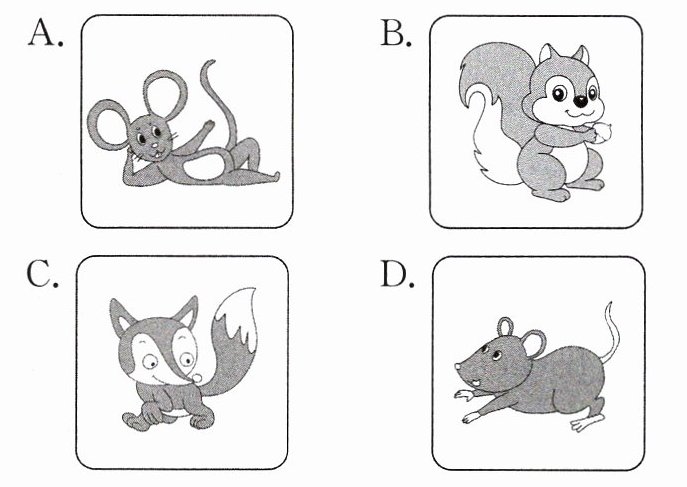
However, there are many differences between Norway rats and house mice. The Norway rat is much bigger than the house mouse. A Norway rat can weigh over ten times as much as a house mouse and is usually three times as large. Also, a Norway rat has big feet and small ears compared (相比) to the size of its body. But a house mouse has small feet and big ears compared to the size of its body. And its tail is longer than its body, while a Norway rat’s tail is shorter.
Now the next time you see something scurrying around the corners of the room, you can tell whether it’s a rat or a mouse before you yelp and scare it away.
1. Why does the writer say “you are not alone” in Paragraph 2?
A. Because rats and mice always live in groups.
B. Because scientists don’t know the difference.
C. Because most people find it hard to tell them apart.
D. Because it’s dangerous for you to play with them.
2. Which of the following pictures may be a house mouse?
3. What does the underlined word “scurrying” mean in the last paragraph?
A. Flying slowly.
B. Moving quickly.
C. Sleeping soundly.
D. Laughing happily.
4. What is the main purpose of the passage?
A. To compare Norway rats and house mice.
B. To tell the history of all rats and mice.
C. To explain why people are afraid of rats and mice.
D. To provide advice on keeping rats and mice as pets.
People use the words “mouse” and “rat” when talking about small, furry animals with big ears, a small nose, and a long tail. However, there are many different kinds of rats and mice, such as the Norway rat, black rat, house mouse, and deer mouse. The most common (常见的) rat that people usually see is the Norway rat, while the house mouse is the most common mouse that people find in their homes.
If you don’t know the differences between a rat and mouse, you are not alone. Norway rats and house mice both come from the same relative (同类事物), which lived millions of years ago. As a result, they have a lot in common. Both Norway rats and house mice have long tails, whiskers (胡须), and round ears. They can also be similar in colours, including gray, brown, white, and black.
However, there are many differences between Norway rats and house mice. The Norway rat is much bigger than the house mouse. A Norway rat can weigh over ten times as much as a house mouse and is usually three times as large. Also, a Norway rat has big feet and small ears compared (相比) to the size of its body. But a house mouse has small feet and big ears compared to the size of its body. And its tail is longer than its body, while a Norway rat’s tail is shorter.
Now the next time you see something scurrying around the corners of the room, you can tell whether it’s a rat or a mouse before you yelp and scare it away.
1. Why does the writer say “you are not alone” in Paragraph 2?
A. Because rats and mice always live in groups.
B. Because scientists don’t know the difference.
C. Because most people find it hard to tell them apart.
D. Because it’s dangerous for you to play with them.
2. Which of the following pictures may be a house mouse?
3. What does the underlined word “scurrying” mean in the last paragraph?
A. Flying slowly.
B. Moving quickly.
C. Sleeping soundly.
D. Laughing happily.
4. What is the main purpose of the passage?
A. To compare Norway rats and house mice.
B. To tell the history of all rats and mice.
C. To explain why people are afraid of rats and mice.
D. To provide advice on keeping rats and mice as pets.
答案
【文章大意】本文是一篇说明文,主要介绍了老鼠和家鼠的共同点和不同点,包括它们的外貌特征和如何区分它们。
1. C 推理判断题。根据“If you don't know the differences between a rat and mouse,you are not alone.”可知,作者说这个是因为大多数人很难区分它们。故选 C。
2. A 细节理解题。根据“But a house mouse has small feet and big ears compared to the size of its body.And its tail is longer than its body,while a Norway rat's tail is shorter.”可知,家鼠脚小耳朵很大,尾巴长,选项 A 符合题意。故选 A。
3. B 词义猜测题。根据“Now the next time you see something scurrying around the corners of the room,you can tell whether it's a rat or a mouse before you yelp and scare it away.”可知,看到老鼠跑来跑去会大叫吓跑它们,由此推知此处应该是指快速移动。故选 B。
4. A 主旨大意题。通读全文可知,本文主要介绍了老鼠和家鼠的共同点和不同点,包括它们的外貌特征和如何区分它们。故选 A。
解析
【分析】
这是一篇关于挪威鼠和家鼠异同的英语阅读理解题,包含4道不同类型的题目。解题思路:1. 通读全文把握主旨(介绍两种鼠的共同点与不同点);2. 针对每道题,根据题干关键词定位原文对应段落;3. 结合原文信息分析选项,排除错误项选出正确答案。
【解析】
1. 推理判断题:根据题干关键词“you are not alone”定位到第二段第一句“If you don’t know the differences between a rat and mouse, you are not alone.”,该句意为“分不清老鼠和家鼠的人不止你一个”,说明大多数人很难区分它们,对应选项C。
2. 细节理解题:根据题干“house mouse”定位到第三段关于家鼠的描述“But a house mouse has small feet and big ears compared to the size of its body. And its tail is longer than its body...”,可知家鼠特征为脚小、耳朵大、尾巴长,选项A符合,故选A。
3. 词义猜测题:定位到最后一段“Now the next time you see something scurrying around the corners of the room, you can tell whether it's a rat or a mouse before you yelp and scare it away.”,结合常识,老鼠快速移动时会被发现并吓跑,“scurrying”表示快速移动,对应选项B。
4. 主旨大意题:通读全文,文章核心是介绍挪威鼠和家鼠的共同点与不同点,即对两者进行比较,对应选项A。
【答案】
1.C 2.A 3.B 4.A
【知识点】
英语阅读理解(细节理解)、英语阅读理解(主旨大意)、英语阅读理解(词义猜测)
【点评】
本文是介绍两种鼠类异同的说明文,题型覆盖英语阅读理解常见的推理判断、细节理解等类型,重点考察学生定位原文、分析文本的能力,题目设置常规,难度适中。
【难度系数】
0.6
