

 登录
登录
三、阅读理解。
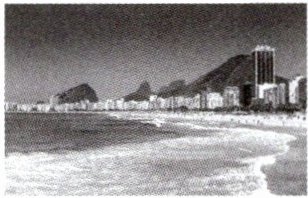
新素材 人文地理 Standing on the beach of Copacabana, I come to realize that any understanding of Brazil really begins on its beaches. Everyone here has his or her perfect beach and is ready to tell you where to find it. I’m happy to take people’s advice, but my final goal is to find my own dream beach.
I head to Bahia, a place with Brazil’s best coastline. Over the centuries, people of many races have arrived here, creating a wonderful cultural mix. This mix influences Bahia’s language, food, music, and dance.
On arriving at one of Bahia’s best beaches—Prainha, I discover its golden sand lined by a row of perfect trees, moving softly in the ocean wind. As I enter the water, I have the feeling of swimming through moonlight. Prainha’s beauty is like something you might see in a postcard. But for me, it’s a little too perfect.
I continue my search, heading north to Maceió, a fisherman’s beach. Boats lie on their sides while nets hang out to dry on lines between fishermen’s houses. We eat on the beach and later rest near the table. It’s a great day, but I have one final place to visit.
A few hundred kilometres out in the Atlantic, the islands of Fernando de Noronha are a national park, rich with birds and sea life. I visit a number of beaches on Fernando, but I leave the best one for last.
The beach at Praia do Leão has perfect sand, sea and sky. The water is pale blue and warm, alive with colourful fish and other sea life; the sand is the colour of honey. The rocks and strong winds have the touch of wildness I was looking for. I dig my toes in the sand deeply and imagine I can hold on to this place forever.
1. Which is the first beach the writer visits?
A. Maceió.
B. Praia do Leão.
C. Prainha.
D. Copacabana.
2. What can we learn from the passage?
A. Prainha is a popular beach for fishermen.
B. Bahia is a place with a wonderful cultural mix.
C. The islands of Fernando are very rich in honey.
D. Maceió’s beauty is like something in a postcard.
3. 新考法 句子回填 Which sentence can be put in the “
A. The beach I’m searching for needs to be a little wilder.
B. The beach I’m looking for is a place for fishermen to fish.
C. The beach I’m searching for needs to be famous to tourists.
D. The beach I’m looking for is popular with parents and children.
4. What is the best title for this passage?
A. An unknown beach
B. Memories of vacation
C. The perfect beach
D. A tour of education
新素材 人文地理 Standing on the beach of Copacabana, I come to realize that any understanding of Brazil really begins on its beaches. Everyone here has his or her perfect beach and is ready to tell you where to find it. I’m happy to take people’s advice, but my final goal is to find my own dream beach.
I head to Bahia, a place with Brazil’s best coastline. Over the centuries, people of many races have arrived here, creating a wonderful cultural mix. This mix influences Bahia’s language, food, music, and dance.
On arriving at one of Bahia’s best beaches—Prainha, I discover its golden sand lined by a row of perfect trees, moving softly in the ocean wind. As I enter the water, I have the feeling of swimming through moonlight. Prainha’s beauty is like something you might see in a postcard. But for me, it’s a little too perfect.
A
I continue my search, heading north to Maceió, a fisherman’s beach. Boats lie on their sides while nets hang out to dry on lines between fishermen’s houses. We eat on the beach and later rest near the table. It’s a great day, but I have one final place to visit.
A few hundred kilometres out in the Atlantic, the islands of Fernando de Noronha are a national park, rich with birds and sea life. I visit a number of beaches on Fernando, but I leave the best one for last.
The beach at Praia do Leão has perfect sand, sea and sky. The water is pale blue and warm, alive with colourful fish and other sea life; the sand is the colour of honey. The rocks and strong winds have the touch of wildness I was looking for. I dig my toes in the sand deeply and imagine I can hold on to this place forever.
1. Which is the first beach the writer visits?
A. Maceió.
B. Praia do Leão.
C. Prainha.
D. Copacabana.
2. What can we learn from the passage?
A. Prainha is a popular beach for fishermen.
B. Bahia is a place with a wonderful cultural mix.
C. The islands of Fernando are very rich in honey.
D. Maceió’s beauty is like something in a postcard.
3. 新考法 句子回填 Which sentence can be put in the “
A
”?A. The beach I’m searching for needs to be a little wilder.
B. The beach I’m looking for is a place for fishermen to fish.
C. The beach I’m searching for needs to be famous to tourists.
D. The beach I’m looking for is popular with parents and children.
4. What is the best title for this passage?
A. An unknown beach
B. Memories of vacation
C. The perfect beach
D. A tour of education
答案
三 1. D
2. B 【解析】根据第二段中“I head to Bahia...people of many races have arrived here, creating a wonderful cultural mix.”可知,Bahia是一个有着精彩文化融合的地方,则B项符合题意。
3. A
4. C 【解析】根据第一段中“but my final goal is to find my own dream beach”和最后一段中“The rocks and strong winds have the touch of wildness I was looking for.”可知,文章主要介绍作者在巴西寻找自己心目中的完美海滩,则C项最适合作文章标题。
2. B 【解析】根据第二段中“I head to Bahia...people of many races have arrived here, creating a wonderful cultural mix.”可知,Bahia是一个有着精彩文化融合的地方,则B项符合题意。
3. A
4. C 【解析】根据第一段中“but my final goal is to find my own dream beach”和最后一段中“The rocks and strong winds have the touch of wildness I was looking for.”可知,文章主要介绍作者在巴西寻找自己心目中的完美海滩,则C项最适合作文章标题。
解析
【分析】
1. 第1题:解题思路是梳理作者游览海滩的顺序,文章开篇提到作者站在Copacabana海滩,之后才前往Bahia的Prainha、Maceió以及Fernando de Noronha的Praia do Leão,因此第一个游览的海滩是Copacabana。
2. 第2题:需要逐一核对选项与原文信息,根据第二段内容可知Bahia有着多元文化融合的特点;A选项中渔民海滩是Maceió而非Prainha,C选项是沙子像蜂蜜而非岛屿盛产蜂蜜,D选项美如明信片的是Prainha而非Maceió,据此判断正确选项。
3. 第3题:根据上下文逻辑,前文提到Prainha“太完美”,后文作者找到的海滩带有“wildness(野性)”,说明作者想要的海滩需要更具野性,由此确定合适的句子。
4. 第4题:文章围绕作者寻找自己理想中的完美海滩展开,从开篇的目标到最终找到符合期望的海滩,核心是“完美海滩”,据此确定标题。
【解析】
1. 第1题:根据文章第一段“Standing on the beach of Copacabana, I come to realize that any understanding of Brazil really begins on its beaches.”可知,作者最先到达的海滩是Copacabana,故选D。
2. 第2题:根据第二段“I head to Bahia, a place with Brazil’s best coastline. Over the centuries, people of many races have arrived here, creating a wonderful cultural mix.”可知,Bahia是一个有着精彩文化融合的地方,B选项表述正确;A选项中Prainha不是渔民海滩,Maceió才是;C选项是沙子颜色像蜂蜜,而非岛屿盛产蜂蜜;D选项美如明信片的是Prainha,不是Maceió,故选B。
3. 第3题:前文提到Prainha“a little too perfect”,后文作者找到的Praia do Leão有着“the touch of wildness I was looking for”,说明作者想要的海滩需要更具野性,A选项“我寻找的海滩需要更野性一点”符合上下文逻辑,故选A。
4. 第4题:文章开篇点明作者的目标是“find my own dream beach”,最后找到了符合自己期望的完美海滩,全文围绕寻找完美海滩展开,因此“The perfect beach”最适合作为标题,故选C。
【答案】
1. D
2. B
3. A
4. C
【知识点】
1. 细节理解
2. 逻辑推理
3. 主旨归纳
【点评】
这篇阅读理解以人文地理为素材,围绕作者在巴西寻找理想海滩展开,考查了学生对细节信息的提取、上下文逻辑的推理以及主旨的归纳能力。题目设置贴合文章内容,需要学生仔细梳理文章脉络,结合原文信息逐一分析选项,有助于提升学生的阅读理解综合能力。
【难度系数】
0.6
1. 第1题:解题思路是梳理作者游览海滩的顺序,文章开篇提到作者站在Copacabana海滩,之后才前往Bahia的Prainha、Maceió以及Fernando de Noronha的Praia do Leão,因此第一个游览的海滩是Copacabana。
2. 第2题:需要逐一核对选项与原文信息,根据第二段内容可知Bahia有着多元文化融合的特点;A选项中渔民海滩是Maceió而非Prainha,C选项是沙子像蜂蜜而非岛屿盛产蜂蜜,D选项美如明信片的是Prainha而非Maceió,据此判断正确选项。
3. 第3题:根据上下文逻辑,前文提到Prainha“太完美”,后文作者找到的海滩带有“wildness(野性)”,说明作者想要的海滩需要更具野性,由此确定合适的句子。
4. 第4题:文章围绕作者寻找自己理想中的完美海滩展开,从开篇的目标到最终找到符合期望的海滩,核心是“完美海滩”,据此确定标题。
【解析】
1. 第1题:根据文章第一段“Standing on the beach of Copacabana, I come to realize that any understanding of Brazil really begins on its beaches.”可知,作者最先到达的海滩是Copacabana,故选D。
2. 第2题:根据第二段“I head to Bahia, a place with Brazil’s best coastline. Over the centuries, people of many races have arrived here, creating a wonderful cultural mix.”可知,Bahia是一个有着精彩文化融合的地方,B选项表述正确;A选项中Prainha不是渔民海滩,Maceió才是;C选项是沙子颜色像蜂蜜,而非岛屿盛产蜂蜜;D选项美如明信片的是Prainha,不是Maceió,故选B。
3. 第3题:前文提到Prainha“a little too perfect”,后文作者找到的Praia do Leão有着“the touch of wildness I was looking for”,说明作者想要的海滩需要更具野性,A选项“我寻找的海滩需要更野性一点”符合上下文逻辑,故选A。
4. 第4题:文章开篇点明作者的目标是“find my own dream beach”,最后找到了符合自己期望的完美海滩,全文围绕寻找完美海滩展开,因此“The perfect beach”最适合作为标题,故选C。
【答案】
1. D
2. B
3. A
4. C
【知识点】
1. 细节理解
2. 逻辑推理
3. 主旨归纳
【点评】
这篇阅读理解以人文地理为素材,围绕作者在巴西寻找理想海滩展开,考查了学生对细节信息的提取、上下文逻辑的推理以及主旨的归纳能力。题目设置贴合文章内容,需要学生仔细梳理文章脉络,结合原文信息逐一分析选项,有助于提升学生的阅读理解综合能力。
【难度系数】
0.6
