

 登录
登录
第二节 请认真阅读下面短文,从短文后所给的六个选项中选出五个可以填入空白处的最佳选项。
新素材 科普知识 When was the last time you felt stressed? What did you do with it? Recently, many young people have turned to trees to help with their stress—they hug trees. It sounds so unusual, isn't it? 41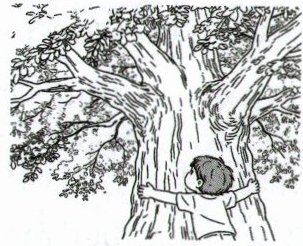
In 1984, a US scientist called Edward Wilson pointed out an idea called “biophilia hypothesis(亲生命假说)”. He said that humans are born to love being around other living things, such as trees, flowers and animals. Human’s love for nature is in our blood. 42 It also helps to explain why people love to keep pets to control stress.
43 A study in 2021 reported that the activity can increase oxytocin(催产素). It’s a hormone which is responsible for feelings. The higher the level of oxytocin is, the calmer and happier we may be. Hugging trees for only 21 seconds can lead to an increase in oxytocin.
Another hormone called cortisol(皮质醇) is a marker of stress. The brain produces more cortisol when the person acts anxiously, angrily, or very sadly. 44 Thus, we can feel better.
Although the act is helpful to us, it’s important to keep in mind that we shouldn’t hurt trees while hugging them. 45
A. But there’s science behind the act.
B. Hugging trees helps to cut down the production of cortisol.
C. We must be gentle when hugging trees—just like hugging a friend!
D. What’s the point of getting stressed about all kinds of bad situations?
E. This idea helps to explain why people prefer natural views to man-made views.
F. Some studies have looked into why tree-hugging can help with our mental health.
41.
新素材 科普知识 When was the last time you felt stressed? What did you do with it? Recently, many young people have turned to trees to help with their stress—they hug trees. It sounds so unusual, isn't it? 41
In 1984, a US scientist called Edward Wilson pointed out an idea called “biophilia hypothesis(亲生命假说)”. He said that humans are born to love being around other living things, such as trees, flowers and animals. Human’s love for nature is in our blood. 42 It also helps to explain why people love to keep pets to control stress.
43 A study in 2021 reported that the activity can increase oxytocin(催产素). It’s a hormone which is responsible for feelings. The higher the level of oxytocin is, the calmer and happier we may be. Hugging trees for only 21 seconds can lead to an increase in oxytocin.
Another hormone called cortisol(皮质醇) is a marker of stress. The brain produces more cortisol when the person acts anxiously, angrily, or very sadly. 44 Thus, we can feel better.
Although the act is helpful to us, it’s important to keep in mind that we shouldn’t hurt trees while hugging them. 45
A. But there’s science behind the act.
B. Hugging trees helps to cut down the production of cortisol.
C. We must be gentle when hugging trees—just like hugging a friend!
D. What’s the point of getting stressed about all kinds of bad situations?
E. This idea helps to explain why people prefer natural views to man-made views.
F. Some studies have looked into why tree-hugging can help with our mental health.
41.
A
42. E
43. F
44. B
45. C
答案
41.A 42.E 43.F 44.B 45.C
解析
【分析】
解题时先通读全文,明确主题是“抱树缓解压力”的科普内容,再结合每个空白处的上下文语境、话题衔接性,逐一匹配选项:41空需承接“抱树听起来不寻常”并引出科学依据;42空要衔接“亲生命假说”并呼应后文解释养宠物的内容;43空需引出后文关于抱树的研究;44空要承接“皮质醇(压力标记)”的话题;45空需承接“抱树时不要伤害树”的注意事项,最终匹配出正确选项。
【解析】
41. 前文提到“抱树听起来不寻常”,A选项“但这个行为背后有科学依据”既承接上文的“不寻常”,又引出下文的科学解释,符合逻辑,故选A。
42. 前文介绍“亲生命假说”,E选项“这个想法有助于解释为什么人们更喜欢自然景观而非人造景观”承接假说内容,且与后文“解释养宠物减压”的表述呼应,故选E。
43. 后文围绕“抱树增加催产素”的研究展开,F选项“一些研究探究了抱树为何有助于心理健康”引出下文的研究内容,符合语境,故选F。
44. 前文提到“皮质醇是压力的标记”,B选项“抱树有助于减少皮质醇的产生”承接皮质醇的话题,且与后文“感觉更好”的结果逻辑连贯,故选B。
45. 前文强调“抱树时不要伤害树”,C选项“抱树时必须温柔——就像抱朋友一样”承接上文的注意事项,符合语境,故选C。
【答案】
41.A 42.E 43.F 44.B 45.C
【知识点】
英语七选五阅读、语篇衔接、说明文阅读
【点评】
本题为科普类七选五题型,围绕“抱树缓解压力”展开,需结合上下文逻辑、话题一致性解题,考查学生的语篇理解与逻辑推理能力,难度适中。
【难度系数】
0.5
解题时先通读全文,明确主题是“抱树缓解压力”的科普内容,再结合每个空白处的上下文语境、话题衔接性,逐一匹配选项:41空需承接“抱树听起来不寻常”并引出科学依据;42空要衔接“亲生命假说”并呼应后文解释养宠物的内容;43空需引出后文关于抱树的研究;44空要承接“皮质醇(压力标记)”的话题;45空需承接“抱树时不要伤害树”的注意事项,最终匹配出正确选项。
【解析】
41. 前文提到“抱树听起来不寻常”,A选项“但这个行为背后有科学依据”既承接上文的“不寻常”,又引出下文的科学解释,符合逻辑,故选A。
42. 前文介绍“亲生命假说”,E选项“这个想法有助于解释为什么人们更喜欢自然景观而非人造景观”承接假说内容,且与后文“解释养宠物减压”的表述呼应,故选E。
43. 后文围绕“抱树增加催产素”的研究展开,F选项“一些研究探究了抱树为何有助于心理健康”引出下文的研究内容,符合语境,故选F。
44. 前文提到“皮质醇是压力的标记”,B选项“抱树有助于减少皮质醇的产生”承接皮质醇的话题,且与后文“感觉更好”的结果逻辑连贯,故选B。
45. 前文强调“抱树时不要伤害树”,C选项“抱树时必须温柔——就像抱朋友一样”承接上文的注意事项,符合语境,故选C。
【答案】
41.A 42.E 43.F 44.B 45.C
【知识点】
英语七选五阅读、语篇衔接、说明文阅读
【点评】
本题为科普类七选五题型,围绕“抱树缓解压力”展开,需结合上下文逻辑、话题一致性解题,考查学生的语篇理解与逻辑推理能力,难度适中。
【难度系数】
0.5
四、词汇运用。(共10小题;每小题1分,满分10分)
请认真阅读下面短文,根据语篇内容,在空白处填入括号内单词的正确形式,使短文通顺、连贯。
On the east coast of China, there are some wetlands by the Yellow Sea. Dafeng Milu National Nature Reserve lies there. If you take a tour of the reserve, you 46 (notice) groups of strange-looking deer walking around. These are milu, also named sibuxiang in Chinese, because of their special appearance—a horse-like face, cow-like hooves, deer-like antlers, and a donkey-like tail.
Centuries ago, milu 47 (simple) lived in China. Both The Book of Menius (《孟子》) and The Book of Rites (《礼记》) mentioned milu. And the Chinese character “mi” first appeared in oracle bone scripts(甲骨文). In 1865, a 48 (France) missionary(传教士) Pere David discovered such deer in Beijing and then introduced some to Europe. People there were very 49 (amaze) to see this rare species and called it “Pere David’s deer”.
antler
tail
hoove
Archaeologists(考古学家) have found milu once disappeared in China for 100 years. In the Ming and Qing dynasties, the number of milu dropped rapidly because of 50 (nature) disasters and too much hunting. By 1900, it became extinct(灭绝的) in China. Fortunately, the Duke of Bedford from Britain gave shelter to 18 milu in his country, and they were looked after well by him in the park. Later, their number increased year by year. Today this park has the 51 (large) number of milu in Europe.
In the 52 (eighty) of the last century, in order to take 20 milu back to Beijing Nanhaizi Milu Park from Britain, the Chinese government put forward a 53 (suggest) to Britain. This was a 54 (success) start in China’s milu protection and supported by the descendants(后代) of the Duke of Bedford. In 1986, another 39 milu were taken back and sent 55 (live) in Dafeng Milu National Nature Reserve.
Today, there're over 5,000 milu living in China, with nearly 1,350 living in the wild. The return of milu is a witness of animal protection between two countries—China and Britain.
46.
51.
请认真阅读下面短文,根据语篇内容,在空白处填入括号内单词的正确形式,使短文通顺、连贯。
On the east coast of China, there are some wetlands by the Yellow Sea. Dafeng Milu National Nature Reserve lies there. If you take a tour of the reserve, you 46 (notice) groups of strange-looking deer walking around. These are milu, also named sibuxiang in Chinese, because of their special appearance—a horse-like face, cow-like hooves, deer-like antlers, and a donkey-like tail.
Centuries ago, milu 47 (simple) lived in China. Both The Book of Menius (《孟子》) and The Book of Rites (《礼记》) mentioned milu. And the Chinese character “mi” first appeared in oracle bone scripts(甲骨文). In 1865, a 48 (France) missionary(传教士) Pere David discovered such deer in Beijing and then introduced some to Europe. People there were very 49 (amaze) to see this rare species and called it “Pere David’s deer”.
antler
tail
hoove
Archaeologists(考古学家) have found milu once disappeared in China for 100 years. In the Ming and Qing dynasties, the number of milu dropped rapidly because of 50 (nature) disasters and too much hunting. By 1900, it became extinct(灭绝的) in China. Fortunately, the Duke of Bedford from Britain gave shelter to 18 milu in his country, and they were looked after well by him in the park. Later, their number increased year by year. Today this park has the 51 (large) number of milu in Europe.
In the 52 (eighty) of the last century, in order to take 20 milu back to Beijing Nanhaizi Milu Park from Britain, the Chinese government put forward a 53 (suggest) to Britain. This was a 54 (success) start in China’s milu protection and supported by the descendants(后代) of the Duke of Bedford. In 1986, another 39 milu were taken back and sent 55 (live) in Dafeng Milu National Nature Reserve.
Today, there're over 5,000 milu living in China, with nearly 1,350 living in the wild. The return of milu is a witness of animal protection between two countries—China and Britain.
46.
will notice
47. simply
48. French
49. amazed
50. natural
51.
largest
52. eighties
53. suggestion
54. successful
55. to live
答案
46. will notice 47. simply 48. French 49. amazed 50. natural 51. largest 52. eighties 53. suggestion 54. successful 55. to live
解析
【分析】本题为英语语篇型词汇运用题,要求结合短文语境及括号内单词的适当形式填空。解题思路:先分析句子成分确定所需词性,再结合句子时态、固定搭配、特殊结构(如条件状语从句)等语法规则,对括号内单词进行正确变形,确保符合语境和语法要求。
【解析】
46. 考查if引导的条件状语从句时态,遵循“主将从现”原则,从句用一般现在时,主句需用一般将来时,故填will notice。
47. 此处修饰动词lived,需用副词,simple的副词形式为simply,故填simply。
48. 修饰名词missionary(传教士),需用形容词,France的形容词形式为French,故填French。
49. 主语为People(人),表示“感到惊讶的”,需用ed结尾的形容词amazed,故填amazed。
50. 修饰名词disasters(灾难),需用形容词,nature的形容词形式为natural,故填natural。
51. 句中给出范围in Europe,且前有定冠词the,需用形容词最高级,large的最高级为largest,故填largest。
52. “在二十世纪八十年代”的固定表达为in the eighties,故填eighties。
53. 前有不定冠词a,需用名词,suggest的名词形式为suggestion,故填suggestion。
54. 修饰名词start(开始),需用形容词,success的形容词形式为successful,故填successful。
55. 考查固定搭配send sb to do sth(派某人做某事),故填to live。
【答案】46. will notice 47. simply 48. French 49. amazed 50. natural 51. largest 52. eighties 53. suggestion 54. successful 55. to live
【知识点】英语词汇运用、词性转换、时态规则
【点评】本题为初中英语常规词汇运用题,围绕语篇语境考查基础语法知识,涉及词性转换、时态、固定搭配等,侧重学生对词汇变形及语法规则的应用,难度适中。
【难度系数】0.6
【解析】
46. 考查if引导的条件状语从句时态,遵循“主将从现”原则,从句用一般现在时,主句需用一般将来时,故填will notice。
47. 此处修饰动词lived,需用副词,simple的副词形式为simply,故填simply。
48. 修饰名词missionary(传教士),需用形容词,France的形容词形式为French,故填French。
49. 主语为People(人),表示“感到惊讶的”,需用ed结尾的形容词amazed,故填amazed。
50. 修饰名词disasters(灾难),需用形容词,nature的形容词形式为natural,故填natural。
51. 句中给出范围in Europe,且前有定冠词the,需用形容词最高级,large的最高级为largest,故填largest。
52. “在二十世纪八十年代”的固定表达为in the eighties,故填eighties。
53. 前有不定冠词a,需用名词,suggest的名词形式为suggestion,故填suggestion。
54. 修饰名词start(开始),需用形容词,success的形容词形式为successful,故填successful。
55. 考查固定搭配send sb to do sth(派某人做某事),故填to live。
【答案】46. will notice 47. simply 48. French 49. amazed 50. natural 51. largest 52. eighties 53. suggestion 54. successful 55. to live
【知识点】英语词汇运用、词性转换、时态规则
【点评】本题为初中英语常规词汇运用题,围绕语篇语境考查基础语法知识,涉及词性转换、时态、固定搭配等,侧重学生对词汇变形及语法规则的应用,难度适中。
【难度系数】0.6
