

 登录
一、完形填空
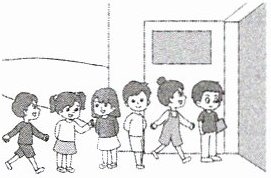
Charlie liked school, but he didn't want to line up to go into school. Mr Tiffin's class lined up by 1, always from tall to small. Charlie was at the back, every time.
One morning, Mr Tiffin brought two orange pumpkins(南瓜)—One was big and the other was small.
"2 seeds are in a pumpkin?" Mr Tiffin asked the class.
Robert sounded like he was 3, "I guess the big one has more seeds!"
"Let's 4 them and see," said Mr Tiffin. Then he got the seeds out. Most students wanted to count the big one. Only Charlie chose the small one.
"See?" said Robert. "This big pumpkin has 340!"
"Well... There are 350 seeds in my pumpkin!" Charlie said and felt 5.
"You can 6 tell how many seeds are in a pumpkin before seeing its inside," Mr Tiffin said. "But there may be some clues(线索) outside." He told the students to 7 the pumpkins carefully.
"Charlie's has more lines," Robert pointed out.
"Exactly," said Mr Tiffin. "For each line, there is a row of seeds inside. As a pumpkin grows, it gets more lines. Charlie's is small 8 it stayed on the vine(藤) for a long time."
When it was time to go home, Mr Tiffin let the class line up, "Small to tall this time."
"Small things can have a lot 9 them." Charlie smiled. On that day, he learned a great 10: Sometimes, the smallest things hold the biggest surprises.
Finally, he went to the front happily and left the classroom.
1. A. age
B. size
C. score
D. number
2. A. Why
B. What
C. How much
D. How many
3. A. sure
B. lucky
C. ready
D. friendly
4. A. cook
B. open
C. pick
D. wash
5. A. relaxed
B. sorry
C. worried
D. surprised
6. A. often
B. never
C. always
D. sometimes
7. A. look at
B. put away
C. look after
D. search for
8. A. or
B. and
C. but
D. because
9. A. on
B. in
C. with
D. about
10. A. story
B. rule
C. lesson
D. change
Charlie liked school, but he didn't want to line up to go into school. Mr Tiffin's class lined up by 1, always from tall to small. Charlie was at the back, every time.
One morning, Mr Tiffin brought two orange pumpkins(南瓜)—One was big and the other was small.
"2 seeds are in a pumpkin?" Mr Tiffin asked the class.
Robert sounded like he was 3, "I guess the big one has more seeds!"
"Let's 4 them and see," said Mr Tiffin. Then he got the seeds out. Most students wanted to count the big one. Only Charlie chose the small one.
"See?" said Robert. "This big pumpkin has 340!"
"Well... There are 350 seeds in my pumpkin!" Charlie said and felt 5.
"You can 6 tell how many seeds are in a pumpkin before seeing its inside," Mr Tiffin said. "But there may be some clues(线索) outside." He told the students to 7 the pumpkins carefully.
"Charlie's has more lines," Robert pointed out.
"Exactly," said Mr Tiffin. "For each line, there is a row of seeds inside. As a pumpkin grows, it gets more lines. Charlie's is small 8 it stayed on the vine(藤) for a long time."
When it was time to go home, Mr Tiffin let the class line up, "Small to tall this time."
"Small things can have a lot 9 them." Charlie smiled. On that day, he learned a great 10: Sometimes, the smallest things hold the biggest surprises.
Finally, he went to the front happily and left the classroom.
1. A. age
B. size
C. score
D. number
2. A. Why
B. What
C. How much
D. How many
3. A. sure
B. lucky
C. ready
D. friendly
4. A. cook
B. open
C. pick
D. wash
5. A. relaxed
B. sorry
C. worried
D. surprised
6. A. often
B. never
C. always
D. sometimes
7. A. look at
B. put away
C. look after
D. search for
8. A. or
B. and
C. but
D. because
9. A. on
B. in
C. with
D. about
10. A. story
B. rule
C. lesson
D. change
答案
【文章大意】本文是一篇记叙文,讲述了 Charlie 在班级排队及参与南瓜种子计数活动的经历,通过南瓜种子数量的反差,他明白“小事物也可能蕴含大惊喜”的道理。
1. B 根据“always from tall to small”可知,他们按个头大小排队。故选 B。
2. D 根据“... seeds are in a pumpkin?”可知,老师在问有多少种子,seeds 为可数名词复数,how much 询问不可数名词;how many 询问可数名词复数。故选 D。
3. A 根据“I guess...”可知,Robert 比较确信自己的想法,才会大胆说出来。故选 A。
4. B 根据“‘Let's... them and see,’... Then he got the seeds out.”可知,要看到南瓜里的种子得把南瓜打开。故选 B。
5. D 根据“Well... There are 350 seeds in my pumpkin!”可知,大家原本猜大南瓜种子多,结果小南瓜种子更多,Charlie 会感到惊讶。故选 D。
6. B 根据“You can... tell how many seeds are in a pumpkin before seeing its inside”可知,没打开南瓜前没法知道种子的数量,即从不能知道。故选 B。
7. A 根据“He told the students to... the pumpkins carefully.”可知,要发现南瓜外面的线索得仔细看。故选 A。
8. C 根据“Charlie's has more lines”和“Charlie's is small... it stayed on the vine for a long time.”可知,Charlie 的南瓜虽然小,但在藤上待了很久,所以长了更多线,应用 but 表示转折。故选 C。
9. B 根据“Small things can have a lot... them.”可知,小事物内部蕴含东西,用 in 表示。故选 B。
10. C 根据“On that day, he learned a great... Sometimes, the smallest things hold the biggest surprises.”可知,从南瓜种子这件事学到的是一种道理。故选 C。
解析
【分析】
做完形填空需先通读全文把握主旨,本文讲述Charlie通过南瓜种子事件明白小事物有大惊喜的道理;再逐个分析空格,结合上下文线索、词汇用法、语境逻辑选择答案,如第1空根据后文“from tall to small”判断排队依据,第2空根据seeds的可数属性选疑问词,以此类推,确保每道题都有语境支撑。
【解析】
1. 答案B:根据后文“always from tall to small”可知,班级排队是按个头大小,size表示“大小”,符合语境。
2. 答案D:seeds是可数名词复数,询问可数名词的数量用how many,how much用于不可数名词,故选D。
3. 答案A:根据“I guess...”可知Robert对自己的猜测很确定,sure表示“确信的”,符合语境。
4. 答案B:根据后文“Then he got the seeds out”可知,要取出南瓜种子需先打开南瓜,open表示“打开”,故选B。
5. 答案D:原本猜测大南瓜种子更多,结果小南瓜种子更多,Charlie会感到惊讶,surprised符合语境。
6. 答案B:根据“before seeing its inside”可知,没打开南瓜前无法知道种子数量,never表示“从不,无法”,符合逻辑。
7. 答案A:老师让学生仔细观察南瓜找线索,look at表示“看,观察”,符合语境。
8. 答案C:Charlie的南瓜虽小,但在藤上待了很久,用but表转折,符合逻辑。
9. 答案B:小事物内部蕴含东西,in表示“在……里面”,符合语境。
10. 答案C:从这件事学到的是道理,learn a lesson是固定搭配,意为“学到一个道理”,故选C。
【答案】
1.B 2.D 3.A 4.B 5.D 6.B 7.A 8.C 9.B 10.C
【知识点】
完形填空解题、词汇辨析、语境理解
【点评】
本文是贴近学生校园生活的记叙文,通过小故事传递积极道理,考查学生对上下文语境的理解和常用词汇的运用,是典型的初中英语完形题,能引导学生结合线索解题。
【难度系数】
0.6
二、阅读理解
A
Does the Dead Sea sound like a place to go swimming? What do you expect to see in it? Do you believe there are dead things in the Dead Sea?
Lying in south-west Asia, the Dead Sea stretches(绵延) for about 80 kilometres. At its deepest point, it is about 400 metres deep. And if you happen to be in the area, you might hear people call it by another name, such as the Salt Sea, the East Sea, or the Sea of the Plain.
Even though it's called the Dead Sea, it isn't a sea at all! It's a lake. Different from other lakes you have seen, the Dead Sea is a very salty lake. In fact, the Dead Sea is one of the saltiest waters in the world. Nothing can live in it. That's why it's called the Dead Sea. And the Dead Sea stays very salty because it gets only a little rain, and very little fresh water gets into the Dead Sea each year.
▲ The Dead Sea is an amazing place to visit, and many people go to the Dead Sea each year on holiday. Because of its high salinity(盐度), the Dead Sea's waters are denser(密度大的) than ocean water or the water in a swimming pool. That means that anyone can float(漂浮) in the Dead Sea. So if you walk on the beach of the Dead Sea on a warm day, perhaps you can see many people floating in its waters. You might even see many of them reading books or magazines!
1. How does the writer start the passage?
A. By telling a story.
B. By listing numbers.
C. By giving examples.
D. By asking questions.
2. What is the main idea of Paragraph 3?
A. The Dead Sea is a salty lake.
B. The Dead Sea has a strange name.
C. Almost no rain reaches the Dead Sea.
D. Nothing can live in the Dead Sea!
3. What is the best sentence for "▲" in the last paragraph?
A. Don't be afraid of the name of the Dead Sea.
B. The water of the Dead Sea is deep blue, anyway.
C. The Dead Sea is getting smaller because of water shortage.
D. Always keep your eyes open while you are in the Dead Sea.
4. What is the writer's purpose of writing the passage?
A. To ask for opinions on swimming in the Dead Sea.
B. To share travelling experiences(经历) around the Dead Sea.
C. To encourage(鼓励) more people to take a holiday around the Dead Sea.
D. To introduce one of the most amazing natural wonders of the world.
A
Does the Dead Sea sound like a place to go swimming? What do you expect to see in it? Do you believe there are dead things in the Dead Sea?
Lying in south-west Asia, the Dead Sea stretches(绵延) for about 80 kilometres. At its deepest point, it is about 400 metres deep. And if you happen to be in the area, you might hear people call it by another name, such as the Salt Sea, the East Sea, or the Sea of the Plain.
Even though it's called the Dead Sea, it isn't a sea at all! It's a lake. Different from other lakes you have seen, the Dead Sea is a very salty lake. In fact, the Dead Sea is one of the saltiest waters in the world. Nothing can live in it. That's why it's called the Dead Sea. And the Dead Sea stays very salty because it gets only a little rain, and very little fresh water gets into the Dead Sea each year.
▲ The Dead Sea is an amazing place to visit, and many people go to the Dead Sea each year on holiday. Because of its high salinity(盐度), the Dead Sea's waters are denser(密度大的) than ocean water or the water in a swimming pool. That means that anyone can float(漂浮) in the Dead Sea. So if you walk on the beach of the Dead Sea on a warm day, perhaps you can see many people floating in its waters. You might even see many of them reading books or magazines!
1. How does the writer start the passage?
A. By telling a story.
B. By listing numbers.
C. By giving examples.
D. By asking questions.
2. What is the main idea of Paragraph 3?
A. The Dead Sea is a salty lake.
B. The Dead Sea has a strange name.
C. Almost no rain reaches the Dead Sea.
D. Nothing can live in the Dead Sea!
3. What is the best sentence for "▲" in the last paragraph?
A. Don't be afraid of the name of the Dead Sea.
B. The water of the Dead Sea is deep blue, anyway.
C. The Dead Sea is getting smaller because of water shortage.
D. Always keep your eyes open while you are in the Dead Sea.
4. What is the writer's purpose of writing the passage?
A. To ask for opinions on swimming in the Dead Sea.
B. To share travelling experiences(经历) around the Dead Sea.
C. To encourage(鼓励) more people to take a holiday around the Dead Sea.
D. To introduce one of the most amazing natural wonders of the world.
答案
【文章大意】本文是一篇说明文,主要介绍了死海的相关信息。
1. D 细节理解题。根据第一段“Does the Dead Sea sound like a place to go swimming? What do you expect to see in it? Do you believe there are dead things in the Dead Sea?”可知,作者通过提问来开始文章。故选 D。
2. A 段落大意题。通读第三段,特别是“Different from other lakes you have seen, the Dead Sea is a very salty lake.”可知,本段主要讲述了死海不是海,而是一个咸水湖。故选 A。
3. A 补全文章题。根据空后的“The Dead Sea is an amazing place to visit, and many people go to the Dead Sea each year on holiday.”可知,死海是一个令人惊叹的旅游胜地,每年都有许多人去死海度假。由此推测,选项 A“不要害怕死海的名字。”符合段落语境。故选 A。
4. D 写作意图题。通读全文可知,本文主要介绍了死海的相关信息。由此推知,作者写这篇文章的目的是介绍世界上最令人惊叹的自然奇观之一。故选 D。
解析
【分析】
1. 第1题:解题思路是定位文章开头段落,判断作者开篇的方式,通过分析第一段的内容确定对应选项。
2. 第2题:解题思路是通读第三段,抓住段落核心语句,归纳段落的主旨大意,匹配对应选项。
3. 第3题:解题思路是结合空格前后的语境,分析各选项与上下文的衔接性,选出符合语境的句子。
4. 第4题:解题思路是通读全文,梳理文章主要内容,明确作者的写作目的,对应正确选项。
【解析】
1. 第1题:根据文章第一段“Does the Dead Sea sound like a place to go swimming? What do you expect to see in it? Do you believe there are dead things in the Dead Sea?”可知,作者通过提出问题的方式开启文章,对应选项D,故选D。
2. 第2题:第三段围绕死海的属性展开,核心句为“Different from other lakes you have seen, the Dead Sea is a very salty lake.”,说明死海是咸水湖,对应选项A,故选A。
3. 第3题:空格后句子提到死海是令人惊叹的旅游胜地,每年有很多人去度假,选项A“不要害怕死海的名字”能衔接上下文,解释虽然名字带“死”,但实际是适合旅游的地方,符合语境,故选A。
4. 第4题:全文介绍了死海的位置、属性、特点及旅游价值,核心是介绍死海这一自然奇观,对应选项D,故选D。
【答案】
1. D 2. A 3. A 4. D
【知识点】
英语阅读理解、细节理解题、段落大意题、写作意图题
【点评】
本文是关于自然景观的说明文,题目涵盖阅读理解的常见题型,侧重考查学生对原文细节的定位、段落主旨的归纳及作者写作意图的把握,整体难度适中,需要学生具备快速阅读和准确理解的能力。
【难度系数】
0.5
