

 登录
登录
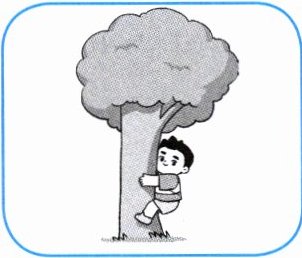
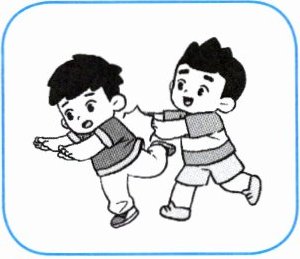
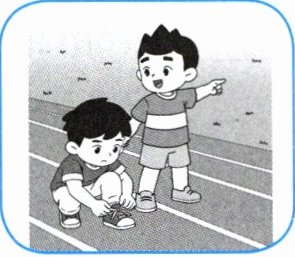
A Listen and order(听录音,给下列图片排序)
(
(
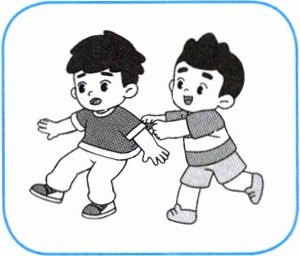
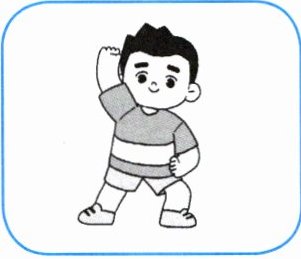
(
4
) (1
) (6
) (
3
) (5
) (2
) 答案
4 1 6 3 5 2
B Look and say(看一看,说一说)
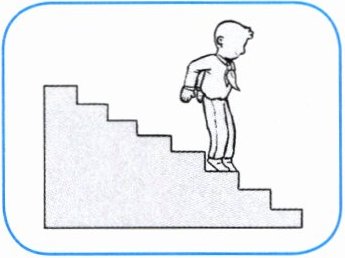
1.
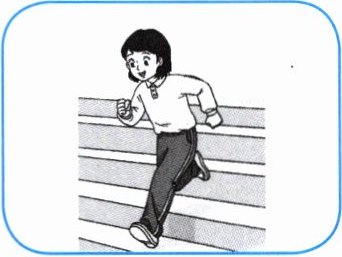
2.
3.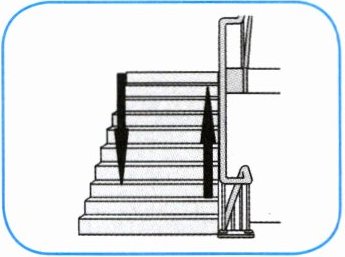
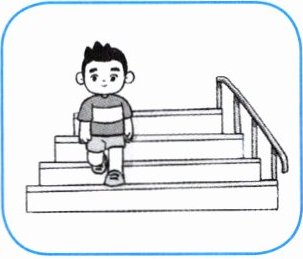
How do we keep safe on the stairs? We should/shouldn’t ...
1.
2.
3.
How do we keep safe on the stairs?
We should/shouldn’t ...答案
参考示例:
1. We should walk slowly on the stairs.
2. We shouldn't run on the stairs.
3. We should keep to the right when we go up and down the stairs.
1. We should walk slowly on the stairs.
2. We shouldn't run on the stairs.
3. We should keep to the right when we go up and down the stairs.
解析
【分析】
这道题围绕“如何在楼梯上保持安全”的主题,要求用should(应该)和shouldn’t(不应该)的句型表达相关行为。解题思路是:先回忆楼梯安全的日常常识,再用英语中表建议的情态动词should、shouldn’t组织符合语法的句子,确保内容贴合主题、表达准确。
【解析】
结合楼梯安全常识,用should和shouldn’t句型表达如下:
1. We should walk slowly on the stairs.
2. We shouldn't run on the stairs.
3. We should keep to the right when we go up and down the stairs.
【答案】
We should walk slowly on the stairs. We shouldn't run on the stairs. We should keep to the right when we go up and down the stairs.
【知识点】
情态动词should用法;安全常识英语表达
【点评】
本题结合生活安全常识,考察学生运用情态动词表达建议的能力,贴近日常,难度适中。
【难度系数】
0.6
这道题围绕“如何在楼梯上保持安全”的主题,要求用should(应该)和shouldn’t(不应该)的句型表达相关行为。解题思路是:先回忆楼梯安全的日常常识,再用英语中表建议的情态动词should、shouldn’t组织符合语法的句子,确保内容贴合主题、表达准确。
【解析】
结合楼梯安全常识,用should和shouldn’t句型表达如下:
1. We should walk slowly on the stairs.
2. We shouldn't run on the stairs.
3. We should keep to the right when we go up and down the stairs.
【答案】
We should walk slowly on the stairs. We shouldn't run on the stairs. We should keep to the right when we go up and down the stairs.
【知识点】
情态动词should用法;安全常识英语表达
【点评】
本题结合生活安全常识,考察学生运用情态动词表达建议的能力,贴近日常,难度适中。
【难度系数】
0.6
C Read and judge(根据课文内容判断句子正误,正确写T,错误写F)
(
(
(
(
(
(
T
) 1. Yang Ling runs on the stairs. It's not safe.(
F
) 2. Yang Ling keeps to the right on the stairs.(
T
) 3. To keep safe, students should not pull or push others.(
T
) 4. We shouldn't stop when others are running behind us.(
F
) 5. We should walk fast after running.答案
1. T 2. F 3. T 4. T 5. F
解析
【分析】
本题是根据课文内容判断句子正误的题目,解题思路为:先明确需结合课文中关于楼梯安全的相关描述,逐一核对每个句子的表述是否与课文内容完全一致,判断时要准确把握课文里的安全规则细节,比如人物在楼梯的行为、楼梯行走的要求等,避免主观臆断。
【解析】
1. 课文中提到Yang Ling在楼梯上奔跑,这种行为存在安全隐患,与句子表述一致,故判断为T;
2. 课文里Yang Ling在楼梯上未靠右行走,与句子表述不符,故判断为F;
3. 为保障安全,学生不应推拉他人,符合课文安全要求,故判断为T;
4. 当他人在身后奔跑时停下易引发碰撞,课文明确要求不能这样做,与句子表述一致,故判断为T;
5. 跑后应慢走而非快走,句子表述与课文内容不符,故判断为F。
【答案】
1. T 2. F 3. T 4. T 5. F
【知识点】
阅读理解判断正误;楼梯安全常识
【点评】
本题结合课文内容考查楼梯安全相关知识,需学生准确理解课文细节,判断时紧扣课文表述即可,难度适中。
【难度系数】
0.6
本题是根据课文内容判断句子正误的题目,解题思路为:先明确需结合课文中关于楼梯安全的相关描述,逐一核对每个句子的表述是否与课文内容完全一致,判断时要准确把握课文里的安全规则细节,比如人物在楼梯的行为、楼梯行走的要求等,避免主观臆断。
【解析】
1. 课文中提到Yang Ling在楼梯上奔跑,这种行为存在安全隐患,与句子表述一致,故判断为T;
2. 课文里Yang Ling在楼梯上未靠右行走,与句子表述不符,故判断为F;
3. 为保障安全,学生不应推拉他人,符合课文安全要求,故判断为T;
4. 当他人在身后奔跑时停下易引发碰撞,课文明确要求不能这样做,与句子表述一致,故判断为T;
5. 跑后应慢走而非快走,句子表述与课文内容不符,故判断为F。
【答案】
1. T 2. F 3. T 4. T 5. F
【知识点】
阅读理解判断正误;楼梯安全常识
【点评】
本题结合课文内容考查楼梯安全相关知识,需学生准确理解课文细节,判断时紧扣课文表述即可,难度适中。
【难度系数】
0.6
