

 登录
登录
五、阅读短文,判断正(√)误(×)。
A great writer
Lu Xun was a great Chinese writer. He was born in 1881. When he was young, he studied hard at school. He wanted to help sick people, so he hoped to be a doctor.
Later, Lu Xun saw that many people were not healthy. They were not brave enough to face life. He decided(决定) to give up medicine and become a writer. He wanted to wake up(唤醒) people with his stories.
Lu Xun worked very hard every day. He made a good plan for his writing. He read many books and wrote late into the night. His stories were interesting and meaningful(有意义的). Many people loved his works.
He never gave up. He tried his best to(全力以赴) write and help people. Today, many students still read his books. Lu Xun is a good example for us. We should learn from him.
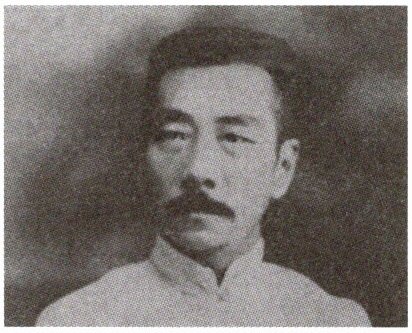
(
(
(
(
(
A great writer
Lu Xun was a great Chinese writer. He was born in 1881. When he was young, he studied hard at school. He wanted to help sick people, so he hoped to be a doctor.
Later, Lu Xun saw that many people were not healthy. They were not brave enough to face life. He decided(决定) to give up medicine and become a writer. He wanted to wake up(唤醒) people with his stories.
Lu Xun worked very hard every day. He made a good plan for his writing. He read many books and wrote late into the night. His stories were interesting and meaningful(有意义的). Many people loved his works.
He never gave up. He tried his best to(全力以赴) write and help people. Today, many students still read his books. Lu Xun is a good example for us. We should learn from him.
(
√
)1. Lu Xun was a great Chinese writer.(
×
)2. Lu Xun wanted to be a teacher when he was young.(
√
)3. Lu Xun became a writer at last.(
√
)4. Lu Xun read many books and worked hard.(
×
)5. Today, no students read Lu Xun's books.答案
1. √
2. ×
3. √
4. √
5. ×
2. ×
3. √
4. √
5. ×
解析
【分析】
做这类判断正误题,需先通读短文理解内容,再将每个题目句子与原文对应信息逐一对比,信息一致则判断为正(√),不一致则为误(×)。
【解析】
1. 题目1:原文第一段明确写“Lu Xun was a great Chinese writer.”,与题目表述一致,故判断为√。
2. 题目2:原文第一段提到鲁迅年轻时想当医生(hoped to be a doctor),而非老师,与题目表述不符,故判断为×。
3. 题目3:原文第二段提到鲁迅决定放弃医学成为作家,最终成为作家,与题目表述一致,故判断为√。
4. 题目4:原文第三段提到鲁迅每天努力工作,读了很多书,与题目表述一致,故判断为√。
5. 题目5:原文最后一段提到“Today, many students still read his books.”,并非没有学生读,与题目表述不符,故判断为×。
【答案】
1.√ 2.× 3.√ 4.√ 5.×
【知识点】
英语阅读理解、判断正误题
【点评】
本题为基础阅读理解判断类题目,考查学生对短文细节信息的提取与对比能力,只要仔细阅读原文,定位关键信息即可正确判断,属于基础题型。
【难度系数】
0.3
做这类判断正误题,需先通读短文理解内容,再将每个题目句子与原文对应信息逐一对比,信息一致则判断为正(√),不一致则为误(×)。
【解析】
1. 题目1:原文第一段明确写“Lu Xun was a great Chinese writer.”,与题目表述一致,故判断为√。
2. 题目2:原文第一段提到鲁迅年轻时想当医生(hoped to be a doctor),而非老师,与题目表述不符,故判断为×。
3. 题目3:原文第二段提到鲁迅决定放弃医学成为作家,最终成为作家,与题目表述一致,故判断为√。
4. 题目4:原文第三段提到鲁迅每天努力工作,读了很多书,与题目表述一致,故判断为√。
5. 题目5:原文最后一段提到“Today, many students still read his books.”,并非没有学生读,与题目表述不符,故判断为×。
【答案】
1.√ 2.× 3.√ 4.√ 5.×
【知识点】
英语阅读理解、判断正误题
【点评】
本题为基础阅读理解判断类题目,考查学生对短文细节信息的提取与对比能力,只要仔细阅读原文,定位关键信息即可正确判断,属于基础题型。
【难度系数】
0.3
