

 登录
登录
四、阅读理解
The Classical Gardens of Suzhou, which are also called Suzhou Gardens, are a group of beautiful gardens in the city of Suzhou in Jiangsu Province. The first classical garden was created during the Spring and Autumn Period in the 6th century B.C. More gardens were built in the following centuries and most of them were personal gardens of scholars学者 and officials官员 of that time. During the Ming and Qing dynasties, the construction建设 of the gardens came to its best time because of the prosperity of Suzhou in that period. It's said that there were over 200 gardens all over the city and Suzhou was considered as the "Paradise on Earth" and the "City of Gardens".
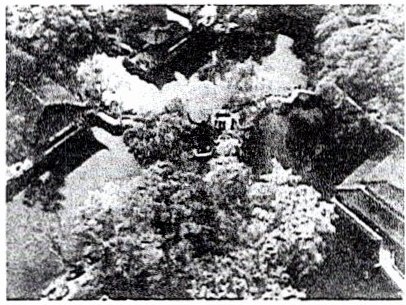
Nowadays, 88 of the 108 well-protected gardens are open to the public as tourist attractions. Among them, some famous gardens are considered as examples of Suzhou Gardens, such as Humble Administrator's Garden, Lingering Garden, Master-of-Nets Garden and so on.
Suzhou Gardens in many ways explain the ideas behind classical Chinese garden design. Their owners were not just interested in growing plants and flowers. They used history, philosophy哲学, art and architecture建筑学 in their designs. Each element要素 of a classical Chinese garden—each hill, pond, plant and rock—is filled with meaning. Although every element was carefully designed, the end purpose was always to have a garden which looked like it was created by nature, without the help of human hands.
Suzhou Gardens represent the development and maturity成熟 of Chinese garden design of more than two thousand years. They are national 5A tourist attractions in China and some groups of them have been added to UNESCO World Cultural Heritage List世界文化遗产名录.
1. When was the first classical Suzhou Garden built?
A. During the Ming dynasty. B. During the Qing dynasty.
C. In the 5th century B.C. D. During the Spring and Autumn Period.
2. What does the underlined word "prosperity" probably mean in the first paragraph?
A. Being poor. B. Being rich. C. Being beautiful. D. Being attractive.
3. What does the third paragraph mainly tell us?
A. The history of Suzhou Gardens.
B. The examples of Suzhou Gardens.
C. The great achievements of Suzhou Gardens.
D. The ideas behind the design of Suzhou Gardens.
4. What can we learn from the passage?
A. Half of the well-protected gardens are open to the public.
B. Each element of a classical Chinese garden has its meaning.
C. Suzhou Gardens were built without the help of human hands.
D. All the gardens were built for scholars and officials in the past.
The Classical Gardens of Suzhou, which are also called Suzhou Gardens, are a group of beautiful gardens in the city of Suzhou in Jiangsu Province. The first classical garden was created during the Spring and Autumn Period in the 6th century B.C. More gardens were built in the following centuries and most of them were personal gardens of scholars学者 and officials官员 of that time. During the Ming and Qing dynasties, the construction建设 of the gardens came to its best time because of the prosperity of Suzhou in that period. It's said that there were over 200 gardens all over the city and Suzhou was considered as the "Paradise on Earth" and the "City of Gardens".
Nowadays, 88 of the 108 well-protected gardens are open to the public as tourist attractions. Among them, some famous gardens are considered as examples of Suzhou Gardens, such as Humble Administrator's Garden, Lingering Garden, Master-of-Nets Garden and so on.
Suzhou Gardens in many ways explain the ideas behind classical Chinese garden design. Their owners were not just interested in growing plants and flowers. They used history, philosophy哲学, art and architecture建筑学 in their designs. Each element要素 of a classical Chinese garden—each hill, pond, plant and rock—is filled with meaning. Although every element was carefully designed, the end purpose was always to have a garden which looked like it was created by nature, without the help of human hands.
Suzhou Gardens represent the development and maturity成熟 of Chinese garden design of more than two thousand years. They are national 5A tourist attractions in China and some groups of them have been added to UNESCO World Cultural Heritage List世界文化遗产名录.
1. When was the first classical Suzhou Garden built?
A. During the Ming dynasty. B. During the Qing dynasty.
C. In the 5th century B.C. D. During the Spring and Autumn Period.
2. What does the underlined word "prosperity" probably mean in the first paragraph?
A. Being poor. B. Being rich. C. Being beautiful. D. Being attractive.
3. What does the third paragraph mainly tell us?
A. The history of Suzhou Gardens.
B. The examples of Suzhou Gardens.
C. The great achievements of Suzhou Gardens.
D. The ideas behind the design of Suzhou Gardens.
4. What can we learn from the passage?
A. Half of the well-protected gardens are open to the public.
B. Each element of a classical Chinese garden has its meaning.
C. Suzhou Gardens were built without the help of human hands.
D. All the gardens were built for scholars and officials in the past.
答案
四、1.D 2.B 3.D 4.B
解析
【分析】
1. 第1题:先定位题干关键词“the first classical Suzhou Garden built”,回到原文第一段寻找对应信息,找到描述首个园林建造时间的句子后,对比选项即可得出答案。
2. 第2题:根据上下文语境推测词义,原文提到明清时期苏州园林建设达到鼎盛,原因是当时苏州的“prosperity”,结合逻辑,城市的繁荣富裕会推动园林建设发展,由此推断该词的含义。
3. 第3题:找段落主旨,第三段首句是段落主题句,后续内容围绕设计背后融入的历史、哲学等理念展开,据此判断段落主旨。
4. 第4题:逐一分析选项,结合原文内容验证每个选项的正误,排除不符合原文的选项,锁定正确答案。
【解析】
1. 第1题:根据第一段“The first classical garden was created during the Spring and Autumn Period in the 6th century B.C.”可知,第一个苏州古典园林建于春秋时期,对应选项D。
2. 第2题:结合语境,明清时期苏州园林建设迎来鼎盛,是因为当时苏州的繁荣发展,“prosperity”意为“繁荣,富裕”,对应选项B。
3. 第3题:第三段开篇点明主旨“Suzhou Gardens in many ways explain the ideas behind classical Chinese garden design”,后续内容围绕设计中融入的历史、哲学、艺术等展开,说明每个设计元素都有意义,所以该段主要讲苏州园林设计背后的理念,对应选项D。
4. 第4题:
A选项:原文是“88 of the 108 well-protected gardens are open to the public”,并非一半,错误;
B选项:根据第三段“Each element of a classical Chinese garden—each hill, pond, plant and rock—is filled with meaning.”可知,该选项表述正确;
C选项:原文是“the end purpose was always to have a garden which looked like it was created by nature, without the help of human hands”,是园林看起来像自然形成,实际是人工精心设计,错误;
D选项:原文是“most of them were personal gardens of scholars and officials of that time”,并非所有园林都为学者官员所建,错误。
综上,选B。
【答案】
四、1.D 2.B 3.D 4.B
【知识点】
1. 细节信息查找
2. 语境词义猜测
3. 段落主旨归纳
【点评】
这篇阅读理解围绕苏州园林的历史、现状、设计理念等展开,考查了阅读理解的核心题型,既需要学生精准定位原文信息,也需要结合语境和段落逻辑进行分析,在考查语言能力的同时,也传递了苏州园林的文化知识。
【难度系数】
0.6
1. 第1题:先定位题干关键词“the first classical Suzhou Garden built”,回到原文第一段寻找对应信息,找到描述首个园林建造时间的句子后,对比选项即可得出答案。
2. 第2题:根据上下文语境推测词义,原文提到明清时期苏州园林建设达到鼎盛,原因是当时苏州的“prosperity”,结合逻辑,城市的繁荣富裕会推动园林建设发展,由此推断该词的含义。
3. 第3题:找段落主旨,第三段首句是段落主题句,后续内容围绕设计背后融入的历史、哲学等理念展开,据此判断段落主旨。
4. 第4题:逐一分析选项,结合原文内容验证每个选项的正误,排除不符合原文的选项,锁定正确答案。
【解析】
1. 第1题:根据第一段“The first classical garden was created during the Spring and Autumn Period in the 6th century B.C.”可知,第一个苏州古典园林建于春秋时期,对应选项D。
2. 第2题:结合语境,明清时期苏州园林建设迎来鼎盛,是因为当时苏州的繁荣发展,“prosperity”意为“繁荣,富裕”,对应选项B。
3. 第3题:第三段开篇点明主旨“Suzhou Gardens in many ways explain the ideas behind classical Chinese garden design”,后续内容围绕设计中融入的历史、哲学、艺术等展开,说明每个设计元素都有意义,所以该段主要讲苏州园林设计背后的理念,对应选项D。
4. 第4题:
A选项:原文是“88 of the 108 well-protected gardens are open to the public”,并非一半,错误;
B选项:根据第三段“Each element of a classical Chinese garden—each hill, pond, plant and rock—is filled with meaning.”可知,该选项表述正确;
C选项:原文是“the end purpose was always to have a garden which looked like it was created by nature, without the help of human hands”,是园林看起来像自然形成,实际是人工精心设计,错误;
D选项:原文是“most of them were personal gardens of scholars and officials of that time”,并非所有园林都为学者官员所建,错误。
综上,选B。
【答案】
四、1.D 2.B 3.D 4.B
【知识点】
1. 细节信息查找
2. 语境词义猜测
3. 段落主旨归纳
【点评】
这篇阅读理解围绕苏州园林的历史、现状、设计理念等展开,考查了阅读理解的核心题型,既需要学生精准定位原文信息,也需要结合语境和段落逻辑进行分析,在考查语言能力的同时,也传递了苏州园林的文化知识。
【难度系数】
0.6
