

 登录
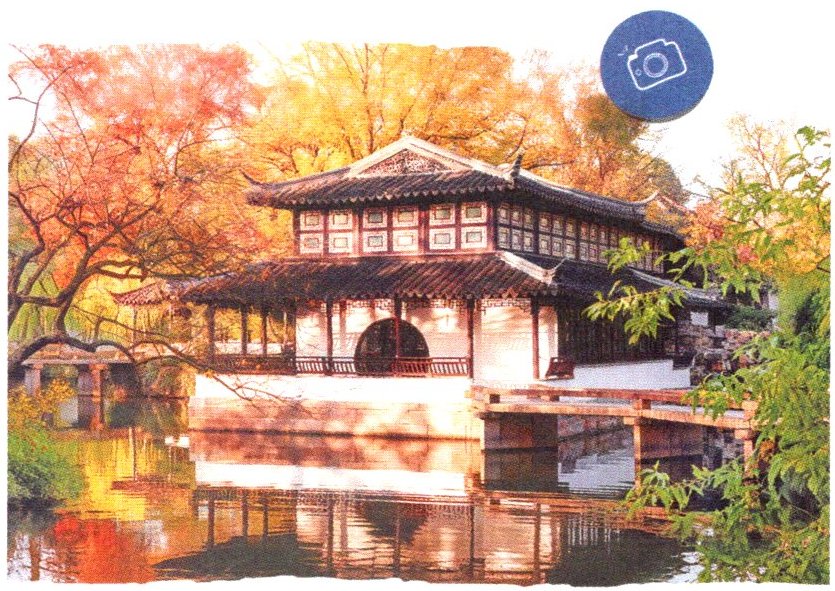
T he Classical Gardens of Suzhou, which are also called Suzhou Gardens, are a group of beautiful gardens in the city of Suzhou in Jiangsu Province of China. The first classical garden was created during the Spring and Autumn Period in the 6th century BCE. More gardens were built in the following centuries and most of them were private gardens of scholars(学者) and officials of that time. During the Ming and Qing dynasties, the construction of the gardens came to its prime time because of the prosperity(繁荣) of Suzhou in that period. It is said that there were more than 300 gardens all over the city and Suzhou was famous as the “Paradise on Earth” and the “City of Gardens”.
Nowadays, 19 of the 69 well-protected gardens are open to the public as tourist attractions. Among them, some famous gardens are regarded as typical examples of Suzhou Gardens, such as Humble Administrator’s Garden(拙政园), Lingering Garden(留园), Master of the Nets Garden(网师园) and so on.
Suzhou Gardens in many ways explain the ideas behind classic Chinese garden design. Their owners were interested in more than just a pleasing arrangement of plants and flowers: they used history, philosophy, art and architecture in their designs. Each element of a classical Chinese garden—each hill, pond, plant and rock—is filled with meaning. Although every element was carefully designed, the end goal was always to have a garden which looked like it was created by nature, without the help of human hands.
Suzhou Gardens represent the development and maturity of Chinese garden design of more than two thousand years. They are national 5A tourist attractions in China. Since 1997, a total of nine classical gardens were added to UNESCO World Cultural Heritage List(世界文化遗产名录).
1. When was the first classical Suzhou garden built?
A. During the Ming Dynasty.
B. During the Qing Dynasty.
C. In the 5th century BCE.
D. During the Spring and Autumn Period.
2. What does the third paragraph mainly tell us?
A. The history of Suzhou Gardens.
B. The ideas behind the design of Suzhou Gardens.
C. The typical examples of Suzhou Gardens.
D. The great achievements of Suzhou Gardens.
3. What can we learn from the passage?
A. Half of the well-protected gardens are open to the public.
B. Each element of a classical Chinese garden has its meaning.
C. Suzhou Gardens were built without the help of human hands.
D. All the gardens were built for scholars and officials in the past.
Nowadays, 19 of the 69 well-protected gardens are open to the public as tourist attractions. Among them, some famous gardens are regarded as typical examples of Suzhou Gardens, such as Humble Administrator’s Garden(拙政园), Lingering Garden(留园), Master of the Nets Garden(网师园) and so on.
Suzhou Gardens in many ways explain the ideas behind classic Chinese garden design. Their owners were interested in more than just a pleasing arrangement of plants and flowers: they used history, philosophy, art and architecture in their designs. Each element of a classical Chinese garden—each hill, pond, plant and rock—is filled with meaning. Although every element was carefully designed, the end goal was always to have a garden which looked like it was created by nature, without the help of human hands.
Suzhou Gardens represent the development and maturity of Chinese garden design of more than two thousand years. They are national 5A tourist attractions in China. Since 1997, a total of nine classical gardens were added to UNESCO World Cultural Heritage List(世界文化遗产名录).
1. When was the first classical Suzhou garden built?
A. During the Ming Dynasty.
B. During the Qing Dynasty.
C. In the 5th century BCE.
D. During the Spring and Autumn Period.
2. What does the third paragraph mainly tell us?
A. The history of Suzhou Gardens.
B. The ideas behind the design of Suzhou Gardens.
C. The typical examples of Suzhou Gardens.
D. The great achievements of Suzhou Gardens.
3. What can we learn from the passage?
A. Half of the well-protected gardens are open to the public.
B. Each element of a classical Chinese garden has its meaning.
C. Suzhou Gardens were built without the help of human hands.
D. All the gardens were built for scholars and officials in the past.
答案
1. D 细节理解题。由第一段中的“The first classical garden was created during the Spring and Autumn Period in the 6th century BCE.”可知,第一个苏州古典园林建于春秋时期。
2. B 主旨大意题。通读第三段可知,本段主要讲述了苏州园林设计背后的理念,故选B项。
3. B 细节理解题。由第三段中的“Each element of a classical Chinese garden—each hill, pond, plant and rock—is filled with meaning.”可知,中国古典园林的每一个元素都有它的意义。
2. B 主旨大意题。通读第三段可知,本段主要讲述了苏州园林设计背后的理念,故选B项。
3. B 细节理解题。由第三段中的“Each element of a classical Chinese garden—each hill, pond, plant and rock—is filled with meaning.”可知,中国古典园林的每一个元素都有它的意义。
