

 登录
C hina is home to tea and has a long history of tea culture. As time goes by, the tea culture has developed greatly.
In the Tang Dynasty, people not only drank tea, but also ate the tea leaves. That was why tasting tea was called “tea-eating”. In the Song Dynasty, the way people drank tea became romantic and was full of art. In the Ming Dynasty, tasting tea returned to its true nature of “drinking tea”. People put dry tea leaves in the cup and then poured boiled water into it before drinking. And in the Qing Dynasty, the tea culture finally came into common families. Drinking tea became part of their daily life. At the same time, there were more tea houses.
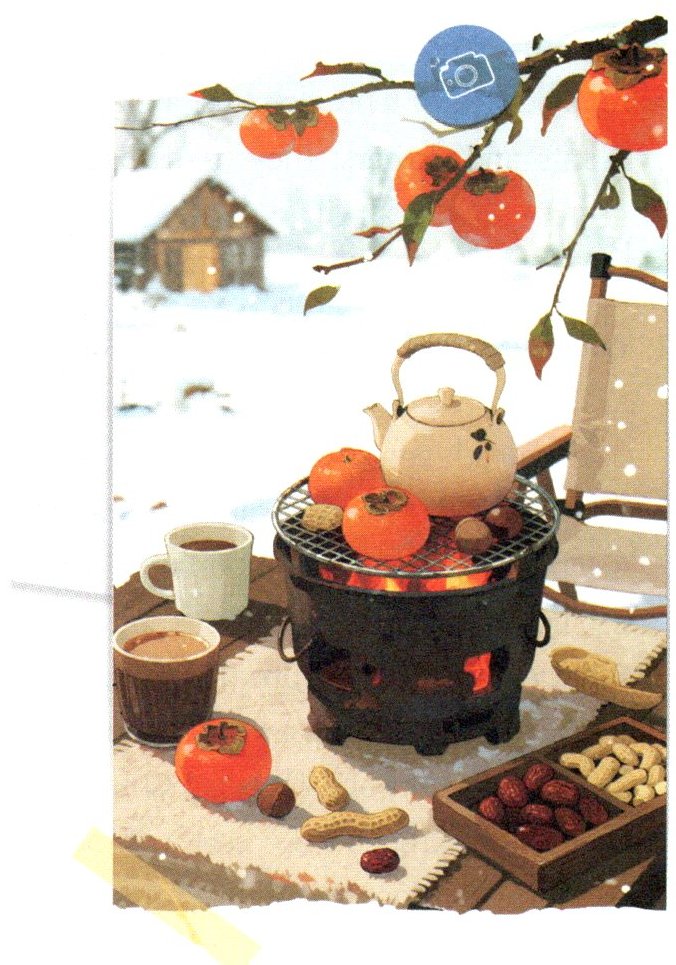
Nowadays, making tea around a stove(围炉煮茶), which is a special way of drinking tea, has become popular among young people. Many young people like to choose a quiet and comfortable environment to make tea. While boiling tea, there must be delicate and tasty snacks like small oranges and sweet potatoes on the charcoal(木炭) stove, satisfying people’s eyes and mouth. And beautiful cups and teapots would bring them more pleasure in mind. What they enjoy are art, spiritual world and the deep Chinese tea culture. Away from their busy work and life, they feel calm and peaceful in mind.
In fact, people began to make tea around a stove in ancient times. In the traditional art of tea making, the most important parts are the types of tea, water quality, the control of fire, the choices of tea tools, and the skills of brewing(沏茶). In some ways, the art of making tea is a kind of communication between tea and people.
As time passes by, Chinese tea culture continues to develop. Modern tea culture has mixed traditional and modern art and life, showing a more open and colorful culture.
答案
1. When did people not only drink tea but also eat the tea leaves?
A. In the Tang Dynasty.
B. In the Song Dynasty.
C. In the Ming Dynasty.
D. In the Qing Dynasty.
2. What does the underlined word “delicate” in Paragraph 3 probably mean?
A. Boring.
B. Awful.
C. Fine.
D. Large.
3. Why is making tea around a stove popular with modern young people?
A. Because they enjoy calm and peace in mind.
B. Because they can stay together with families.
C. Because they like eating oranges and potatoes.
D. Because they want to return to the ancient times.
4. What is the best title for the passage?
A. The Types of the Tea Leaves
B. The Environments of Drinking Tea
C. The Future of the Tea Culture
D. The Development of the Tea Culture
A. In the Tang Dynasty.
B. In the Song Dynasty.
C. In the Ming Dynasty.
D. In the Qing Dynasty.
2. What does the underlined word “delicate” in Paragraph 3 probably mean?
A. Boring.
B. Awful.
C. Fine.
D. Large.
3. Why is making tea around a stove popular with modern young people?
A. Because they enjoy calm and peace in mind.
B. Because they can stay together with families.
C. Because they like eating oranges and potatoes.
D. Because they want to return to the ancient times.
4. What is the best title for the passage?
A. The Types of the Tea Leaves
B. The Environments of Drinking Tea
C. The Future of the Tea Culture
D. The Development of the Tea Culture
答案
1. A 细节理解题。由第二段中的“In the Tang Dynasty, people not only drank tea, but also ate the tea leaves.”可知,在唐代,人们不仅喝茶,而且还吃茶叶。
2. C 词义猜测题。由画线单词后的 and 和 tasty snacks like small oranges and sweet potatoes on the charcoal stove 可知,围炉煮茶时需要精致可口的小吃来满足人们的视觉和味蕾。由此可推断,delicate 和 fine 意思相近。
3. A 细节理解题。通读第三段,尤其是“What they enjoy are art, spiritual world and the deep Chinese tea culture. Away from their busy work and life, they feel calm and peaceful in mind.”可知,年轻人喜欢围炉煮茶是因为它可以让他们远离繁忙的工作和生活,享受精神上的平和,故选A项。
4. D 标题概括题。通读全文可知,本文主要介绍了茶文化的发展历程,故最佳标题为D项。
