

 登录
一、Shenshen在介绍自家花园。请根据图片和首字母提示,帮他填上缺少的单词,每空一词。
1. Look at the beautiful sunflowers. They are tall. They get s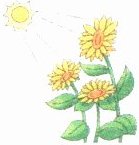
2. The tree c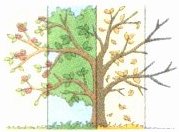
3. There is a pond in my garden. The tadpoles(蝌蚪) in the pond can g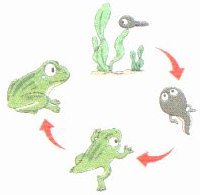
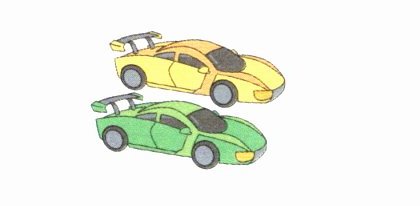
4. I play with my toy car in the garden. It can m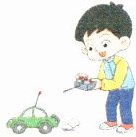
5. I have a pet rabbit. It’s a l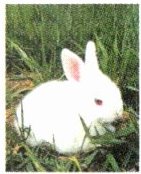
1. Look at the beautiful sunflowers. They are tall. They get s
sunlight
. 2. The tree c
changes
in different seasons. 3. There is a pond in my garden. The tadpoles(蝌蚪) in the pond can g
grow
. They can become frogs. 4. I play with my toy car in the garden. It can m
move
fast. 5. I have a pet rabbit. It’s a l
living
thing. 答案
1. sunlight
2. changes
3. grow
4. move
5. living
2. changes
3. grow
4. move
5. living
解析
【分析】
首先通读每个句子理解语境,结合首字母提示,联系生活常识和基础词汇知识,匹配合适的单词,同时注意单词的形式变化(如第三人称单数谓语动词的变化)。
【解析】
1. 句意为“看那些美丽的向日葵,它们很高,它们获取阳光”,首字母为s,对应单词sunlight;
2. 句意为“树在不同季节变化”,主语the tree是第三人称单数,谓语动词用changes;
3. 句意为“池塘里的蝌蚪会成长,它们能变成青蛙”,首字母为g,对应单词grow;
4. 句意为“我在花园玩玩具车,它能快速移动”,首字母为m,对应单词move;
5. 句意为“我有一只宠物兔子,它是活的生物”,首字母为l,对应单词living。
【答案】
1. sunlight
2. changes
3. grow
4. move
5. living
【知识点】
英语词汇运用、单词拼写、语境填词
【点评】
本题结合生活场景考查基础英语词汇的运用,需要学生掌握常见词汇的含义及基本用法,难度适中。
【难度系数】
0.6
二、Qiqi记录了身边的事物。请你选择合适的单词或短语帮Qiqi补全短文,并回答问题。
A. important B. change C. by itself D. get food and water E. by themselves
I learn about living things today. Living things need air. They need to 1.
Non-living things are different. They don’t need food, water or air. They don’t grow. They can’t move or change 4.
But both living things and non-living things are 5.
6. What does a living thing need?
7. Can your plants at home move by themselves?
8. What non-living things do you see every day? (Name three of them.)
A. important B. change C. by itself D. get food and water E. by themselves
I learn about living things today. Living things need air. They need to 1.
D
too. They can grow and 2. B
. For example, in my home, my cat Lucky can run; my baby sister likes drinking milk to grow bigger; my sunflower can’t move 3. C
but it changes and grows every day.Non-living things are different. They don’t need food, water or air. They don’t grow. They can’t move or change 4.
E
. For example, my storybook can’t grow.But both living things and non-living things are 5.
A
. We should take care of them.6. What does a living thing need?
A living thing needs air, food and water.
7. Can your plants at home move by themselves?
No, they can’t.
8. What non-living things do you see every day? (Name three of them.)
I see my pen, my desk and my computer every day.
答案
1.D 2.B 3.C 4.E 5.A
6. A living thing needs air, food and water.
7. No, they can’t.
8. I see my pen, my desk and my computer every day.
6. A living thing needs air, food and water.
7. No, they can’t.
8. I see my pen, my desk and my computer every day.
解析
【分析】
先通读短文,明确短文围绕生物与非生物的特征展开,再逐一分析选项含义:A. important(重要的)、B. change(改变)、C. by itself(独自,单数)、D. get food and water(获取食物和水)、E. by themselves(独自,复数)。结合语境匹配每个空格,再根据短文内容回答问题即可。
【解析】
1. 前半句提到生物需要空气,后半句对应生物的另一需求,“get food and water(获取食物和水)”符合语境,选D;
2. 生物的特征是能生长和“change(改变)”,选B;
3. 主语sunflower是单数,表达“不能独自移动”用“by itself”,选C;
4. 非生物是复数概念,表达“不能独自移动或改变”用“by themselves”,选E;
5. 句意为“生物和非生物都重要”,“important”符合,选A;
6. 根据短文“Living things need air. They need to get food and water too.”,可知生物需要空气、食物和水;
7. 短文提到“my sunflower can’t move by itself”,说明植物不能独自移动,回答No, they can’t;
8. 日常非生物举例,如笔、桌子、电脑,符合要求。
【答案】
1.D 2.B 3.C 4.E 5.A
6. A living thing needs air, food and water.
7. No, they can’t.
8. I see my pen, my desk and my computer every day.
【知识点】
英语选词填空、生物常识(生物与非生物特征)、特殊疑问句回答
【点评】
本题结合英语词汇运用与生物基础常识,既考查对短文语境和词汇的理解,又检验对生物、非生物特征的认知,题目贴近生活,难度适中。
【难度系数】
0.5
三、两名小朋友正在聊天。请你读一读,从每小题的三个选项中选出最佳选项。
( : Look at it. It’s a
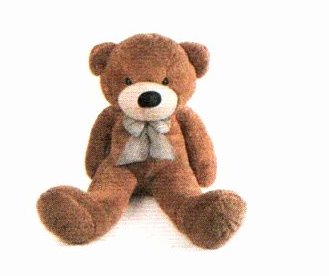
 : Yes, you’re right.
A. living B. non-living C. live
( : Can it move by itself?
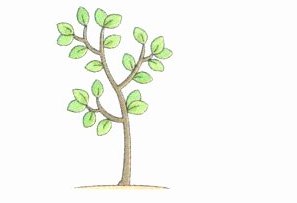
 :
A. Yes, it can. B. No, it can’t. C. No, it doesn’t.
( : It doesn’t
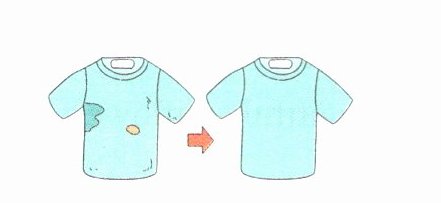
 Yes, you’re right.
A. grow; change B. move; grow C. change; grow
( : Can they move?
 Yes, but they cannot move
A. by itself B. by themselves C. by myself
( : It’s something around us but we cannot see it. What is it?
 It’s
A. water B. food C. air
(
B
)1. : Look at it. It’s a B
thing.: Yes, you’re right.A. living B. non-living C. live
(
B
)2. : Can it move by itself?: B
A. Yes, it can. B. No, it can’t. C. No, it doesn’t.
(
A
)3. : It doesn’t A
, but it can . Yes, you’re right.A. grow; change B. move; grow C. change; grow
(
B
)4. : Can they move? Yes, but they cannot move B
.A. by itself B. by themselves C. by myself
(
C
)5. : It’s something around us but we cannot see it. What is it? It’s C
.A. water B. food C. air
答案
1.B 2.B 3.A 4.B 5.C
解析
【分析】
本题是结合生活常识的英语选择题,需逐题分析:1. 辨析形容词含义,结合对话判断描述事物的属性;2. 依据情态动词can的一般疑问句答语规则,结合无生命物体的特点作答;3. 辨析动词含义,匹配无生命物体的特征;4. 根据主语选择对应的反身代词;5. 辨析名词的可见性,匹配题干描述。
【解析】
1. 选项中,A.living意为“有生命的”,B.non-living意为“无生命的”,C.live意为“活的、现场的”。结合对话语境,描述的是无生命的事物,故选B。
2. 问句以Can开头,答语需用can/can't;结合常识,无生命物体不能自主移动,故用否定回答,选B。
3. 动词中,grow意为“生长”,change意为“变化”。无生命物体不会生长但会发生变化,符合语境,选A。
4. 主语为they,对应的反身代词是themselves,by themselves表示“独自地”,符合语境,选B。
5. 名词中,water(水)、food(食物)是可见的,air(空气)是周围但看不见的,匹配题干描述,选C。
【答案】
1.B 2.B 3.A 4.B 5.C
【知识点】
词汇辨析、语法应用
【点评】
本题结合日常认知考查英语基础词汇与语法,题目贴近生活,难度适中,适合小学阶段学生巩固知识。
【难度系数】
0.7
